In London, We Discussed the "Resilient" Future of Maritime Shipping and Supply Chains | ICMTI & TSCRDT Day One In-Depth Review
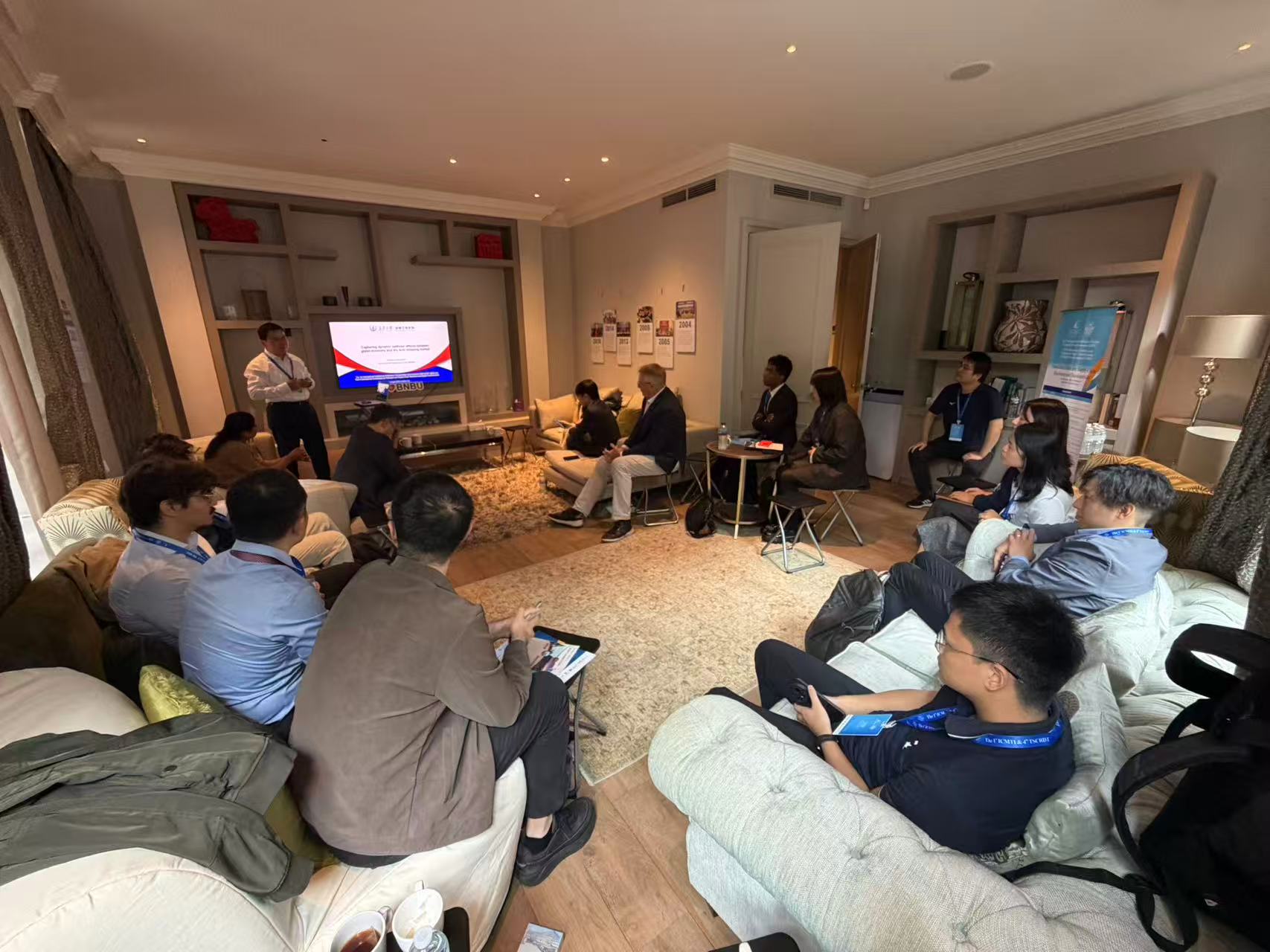
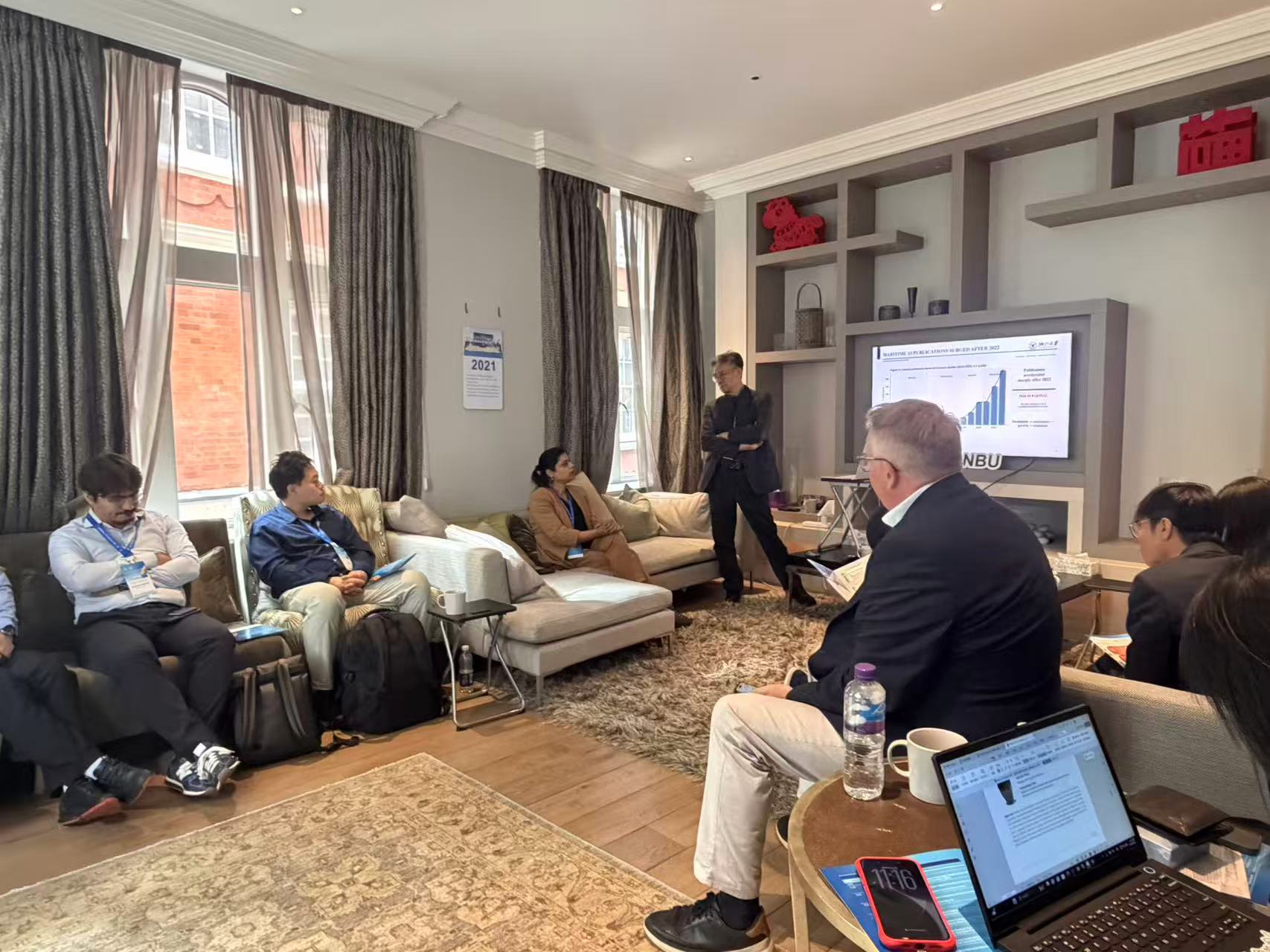
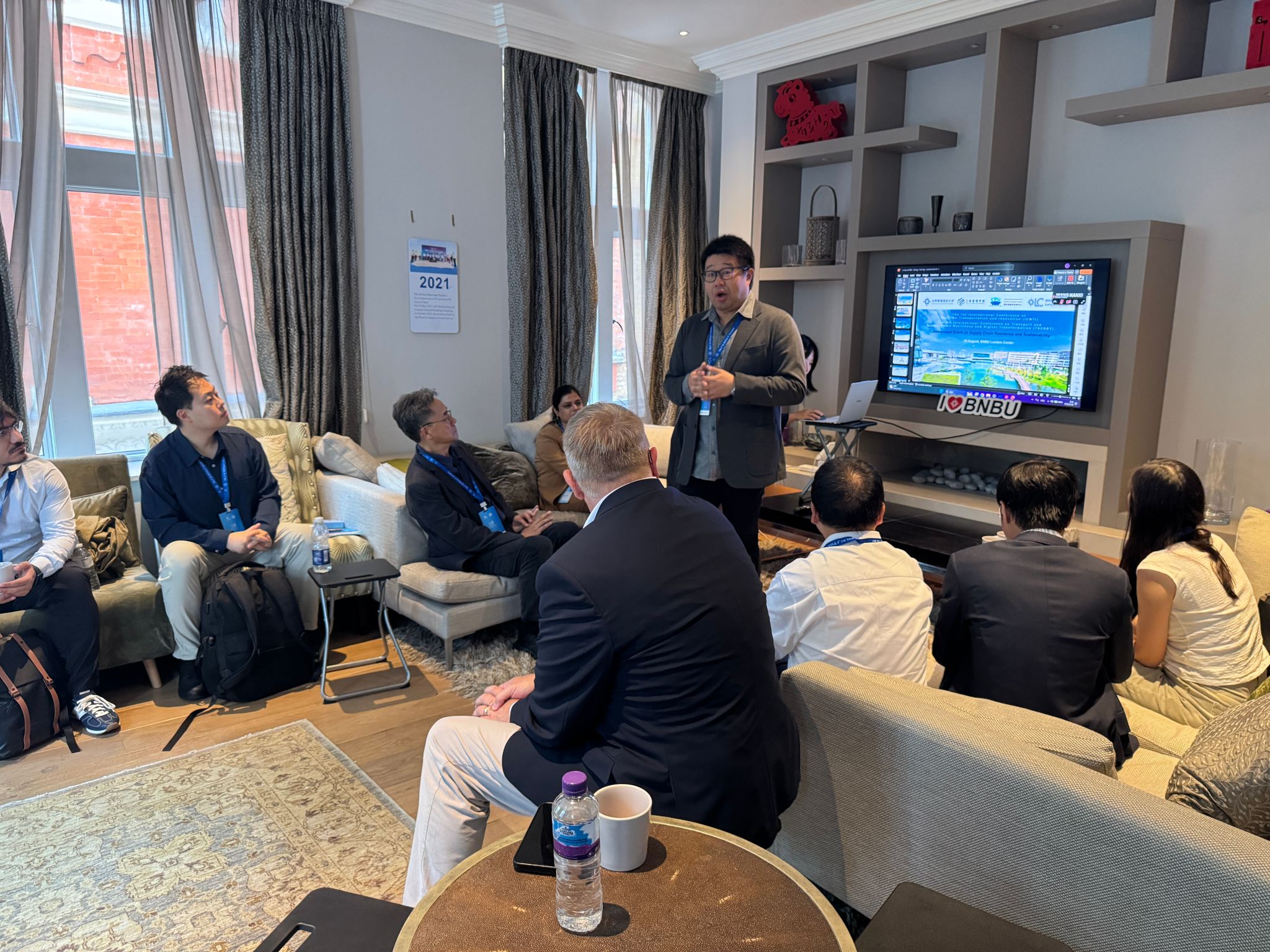
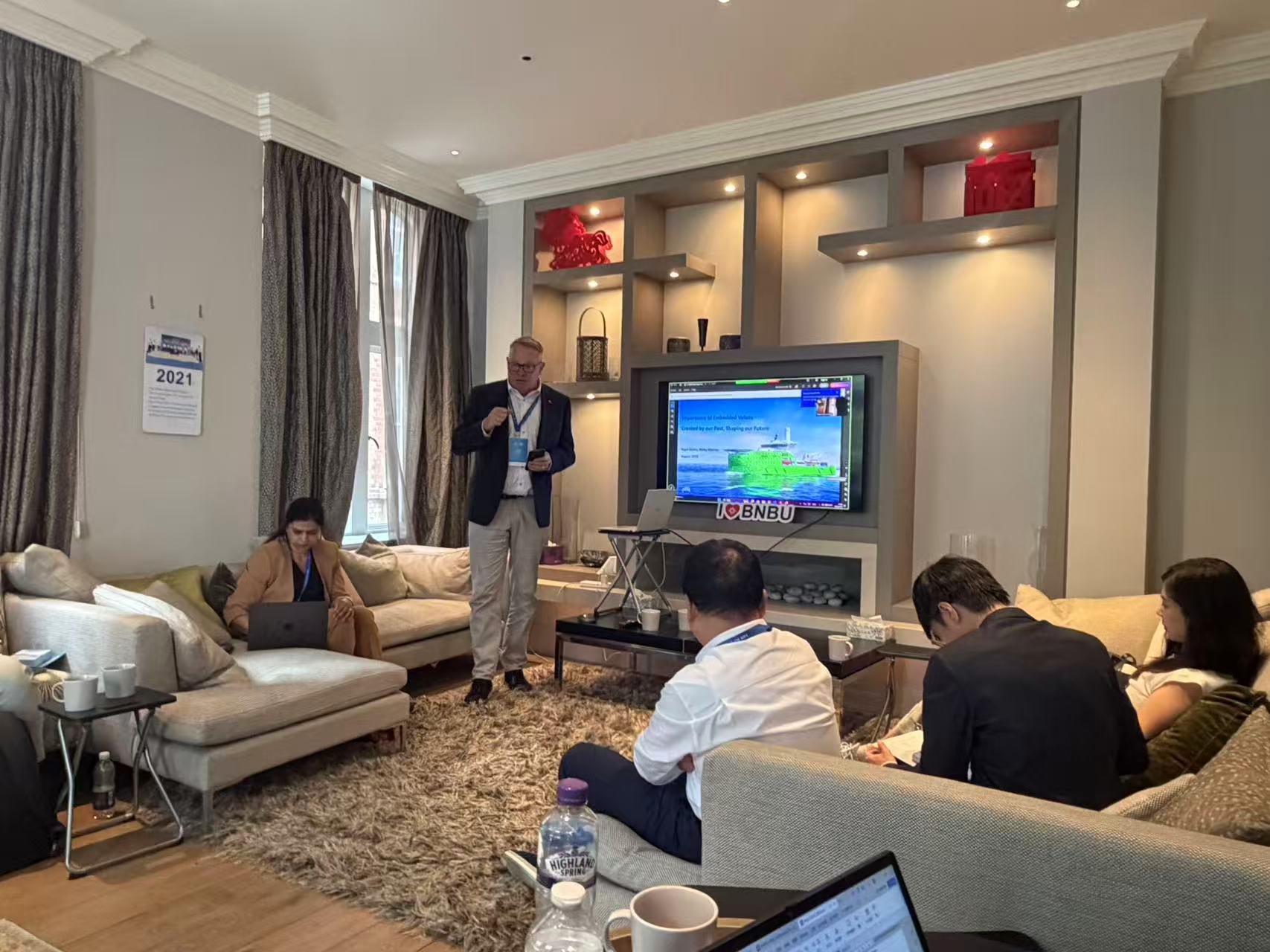
As summer wanes, a hint of chill lingers in London, but the BNBU London Centre was already buzzing with activity. Attendees signed in, exchanged pleasantries, and swapped business cards. Some brought the autumn essence of Xi'an, others the Nordic breezed from Oslo, and some came straight from the campuses of Liverpool. This was the scene of the Associated event of the 1st ICMTI 2026 and the 4th TSCRDT, an event focused on the academic prelude to "Supply Chain Resilience and Sustainability."
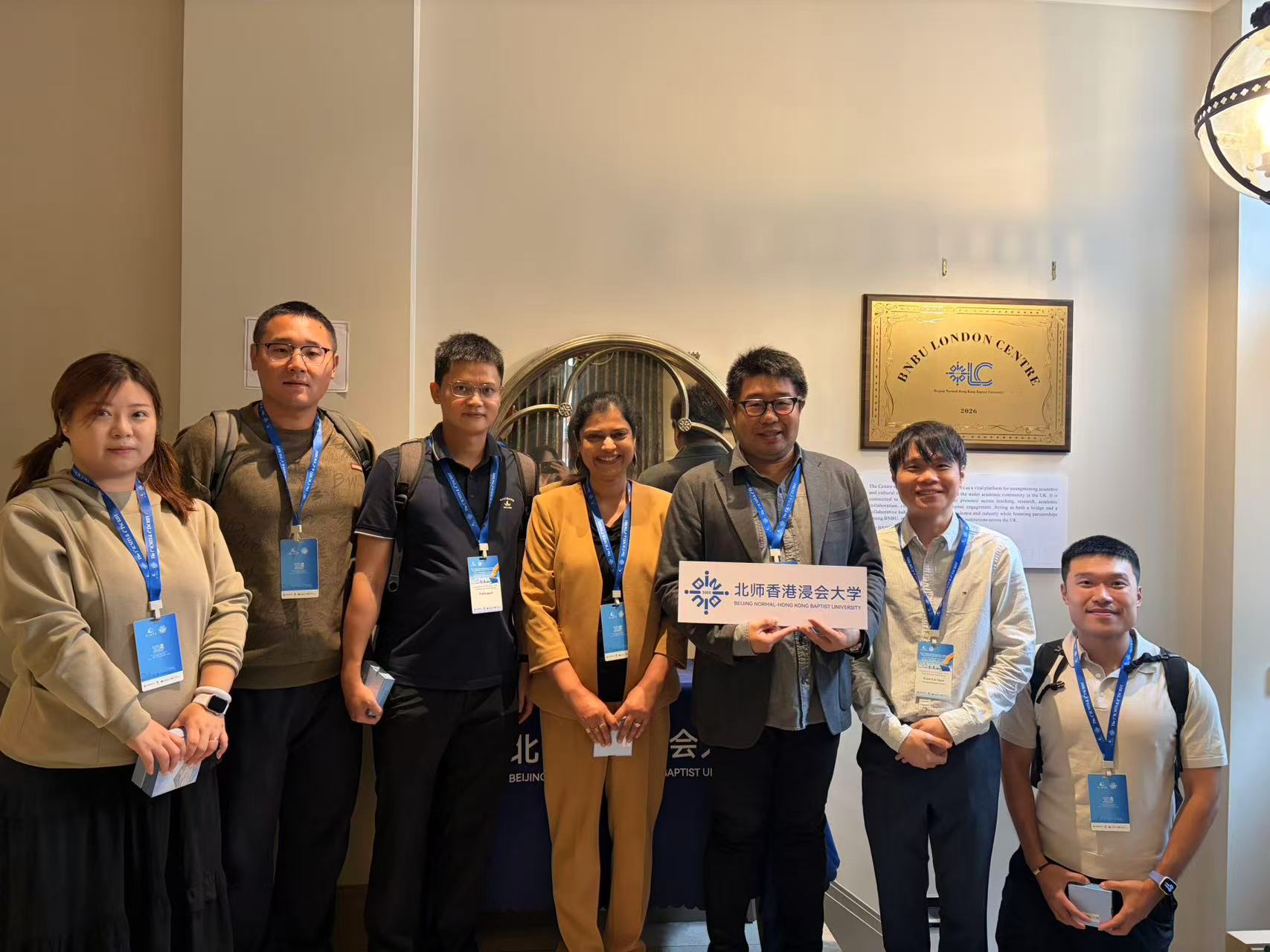
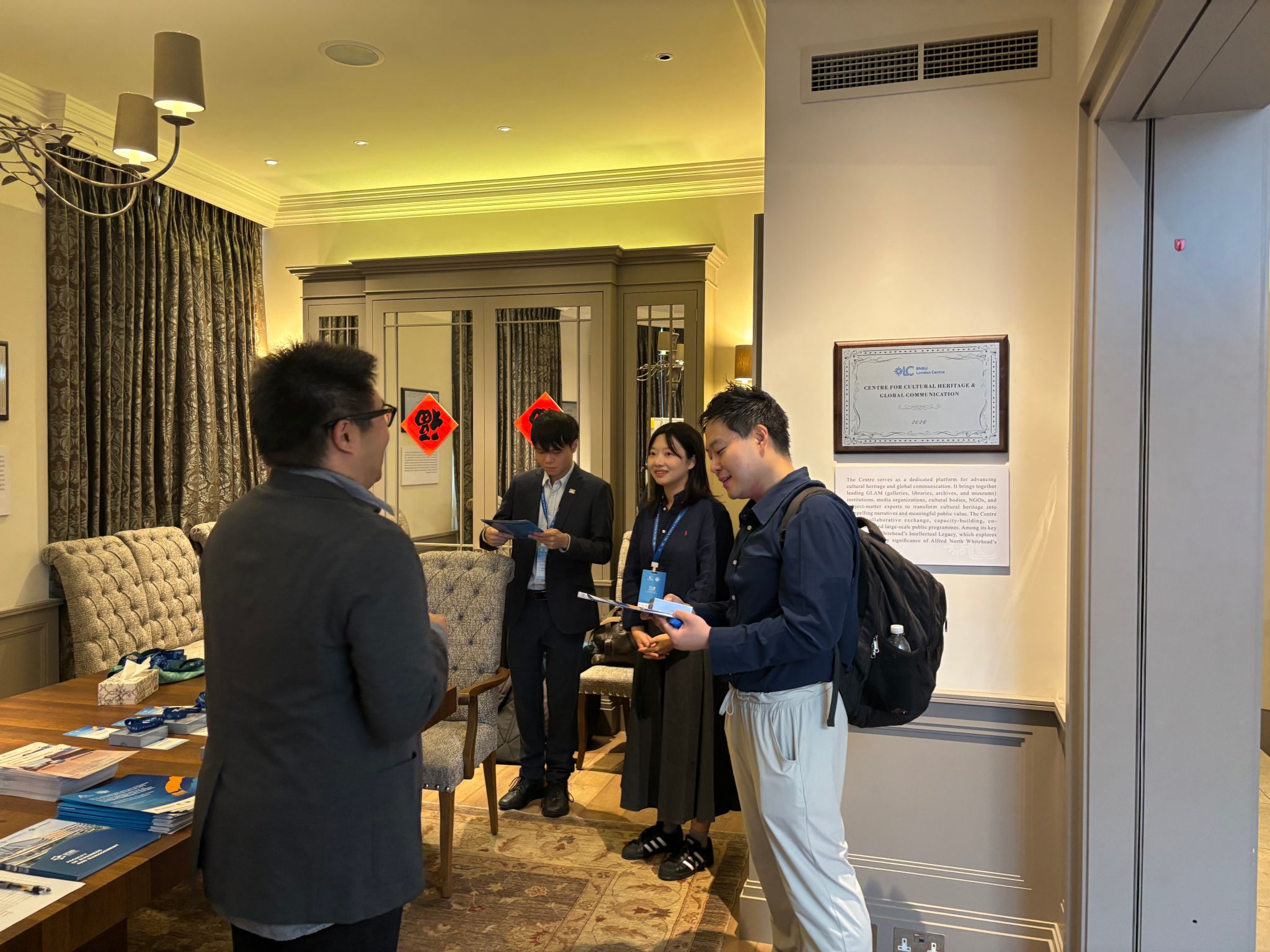
There were no lengthy opening ceremony or formalities. In just three and a half hours, six intensive reports and a round-table discussion covered topics from the spillover effects of the green economy to the geopolitics of Arctic routes, from algorithms to the frontline practices of corporate CEOs. We aimed to answer one question: When uncertainty becomes the norm, where should the resilience of maritime shipping and supply chains head?
Green and Polar: Shipping Changes from a Macro Perspective
If the day's reports formed a puzzle, "macro trends" were undoubtedly the most striking pieces.
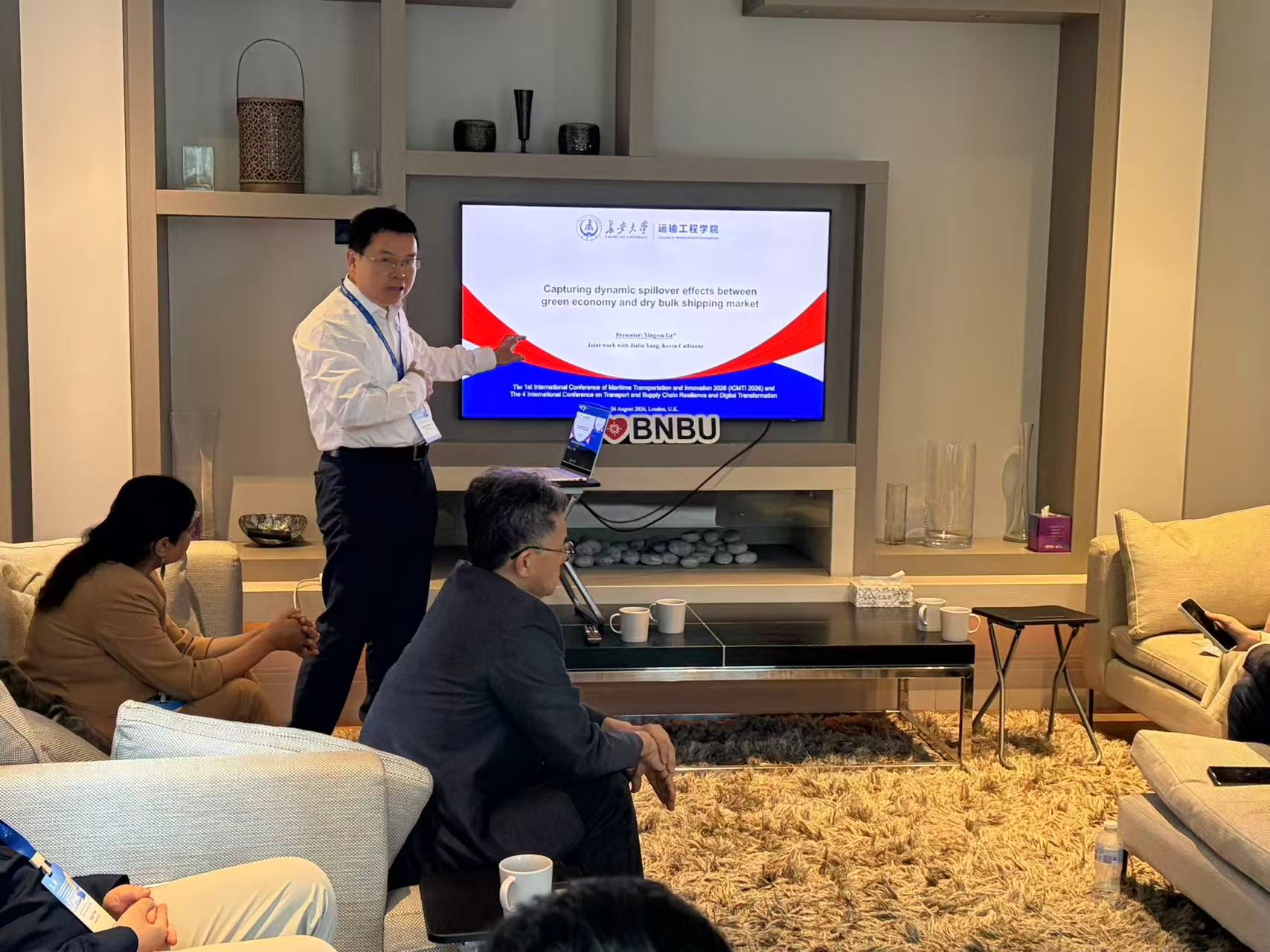
Professor Ying-En (Ethan) Ge from Chang'an University, Editor-in-Chief for Transportation Research Part D: Transport and Environment, first introduced a variable reshaping the shipping market: the green economy. In his report, "Capturing Dynamic Spillover Effects between Green Economy and Dry Bulk Shipping Market," he used robust econometric models to demonstrate how fluctuations in green economic policies are significantly altering the operational logic of market benchmarks like the BDI. Decarbonization was not a distant background noise; it had already directly impacted every freight rate node in the dry bulk shipping sector through "green premiums" and "transition risks." This indicated that traditional shipping market analysis frameworks must now incorporate "green variables."
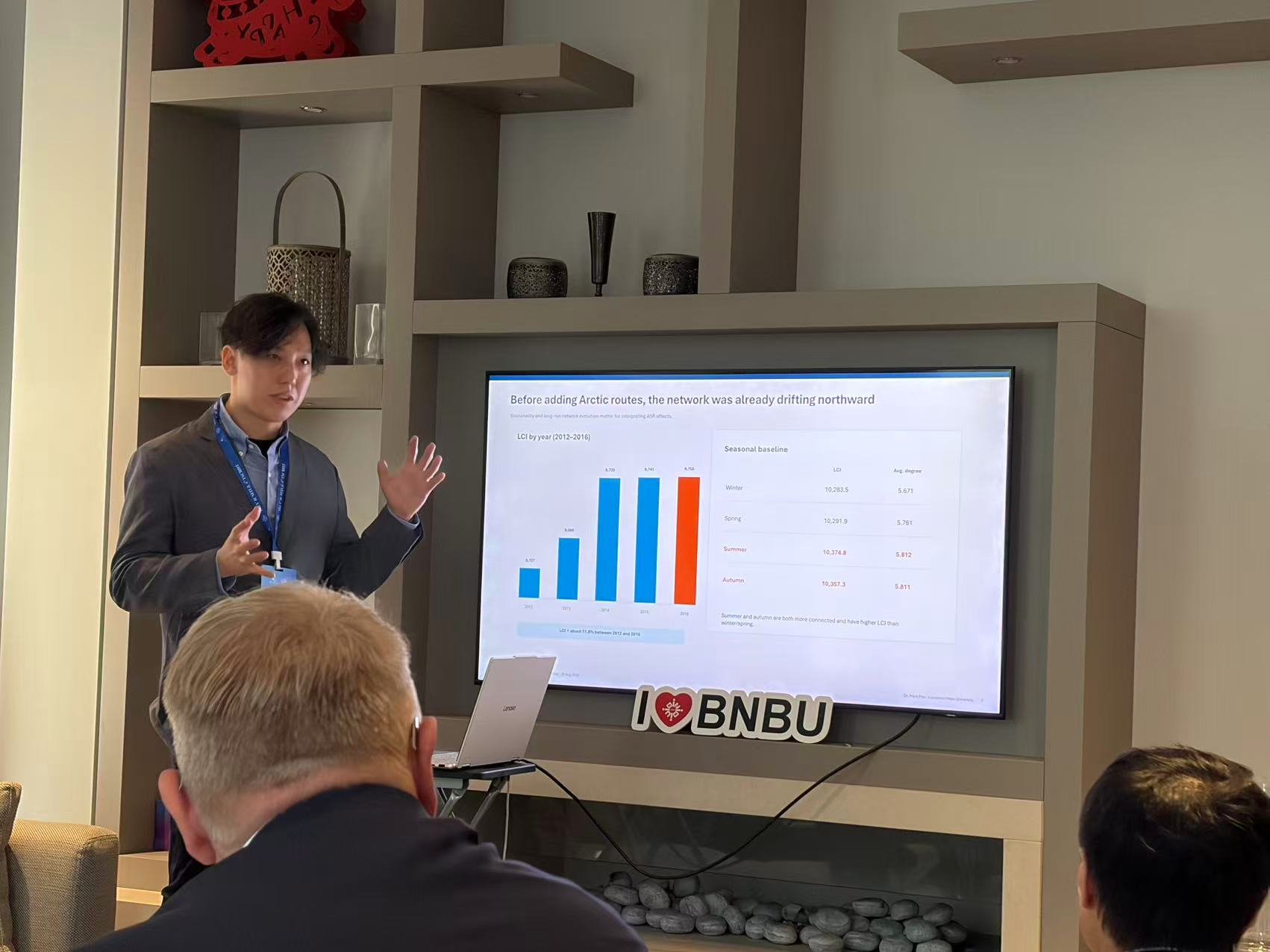
Following this, Dr. Mark Ching-Pong Poo from Liverpool Hope University shifted the focus to the Arctic. His report, "Emerging Arctic Shipping Routes, Arctic Geopolitics, and the Transformation of Chinese Port Connectivity," went beyond the mere shortening of route distances to tackle a deeper topic: the commercialization of Arctic routes was pivoting the maritime trade landscape of the Eurasian continent. The strategic position of China's northern ports, the investment logic of ice-class vessels, and geopolitical uncertainties were all highlighted. Dr. Poo used data and maps to show that the Arctic was not a "future option" but an "ongoing reconstruction."
The green transition and polar routes, one from the south and one from the north, together outlined the structural shifts occurring in the global maritime network.
Data and Algorithms: Methodological Innovations in Resilience Research
Once macro trends are anchored, how do we scientifically understand "resilience" itself? Two scholars provided distinctly different methodological answers, both pointing in the same direction: making research more precise and insights quantifiable.
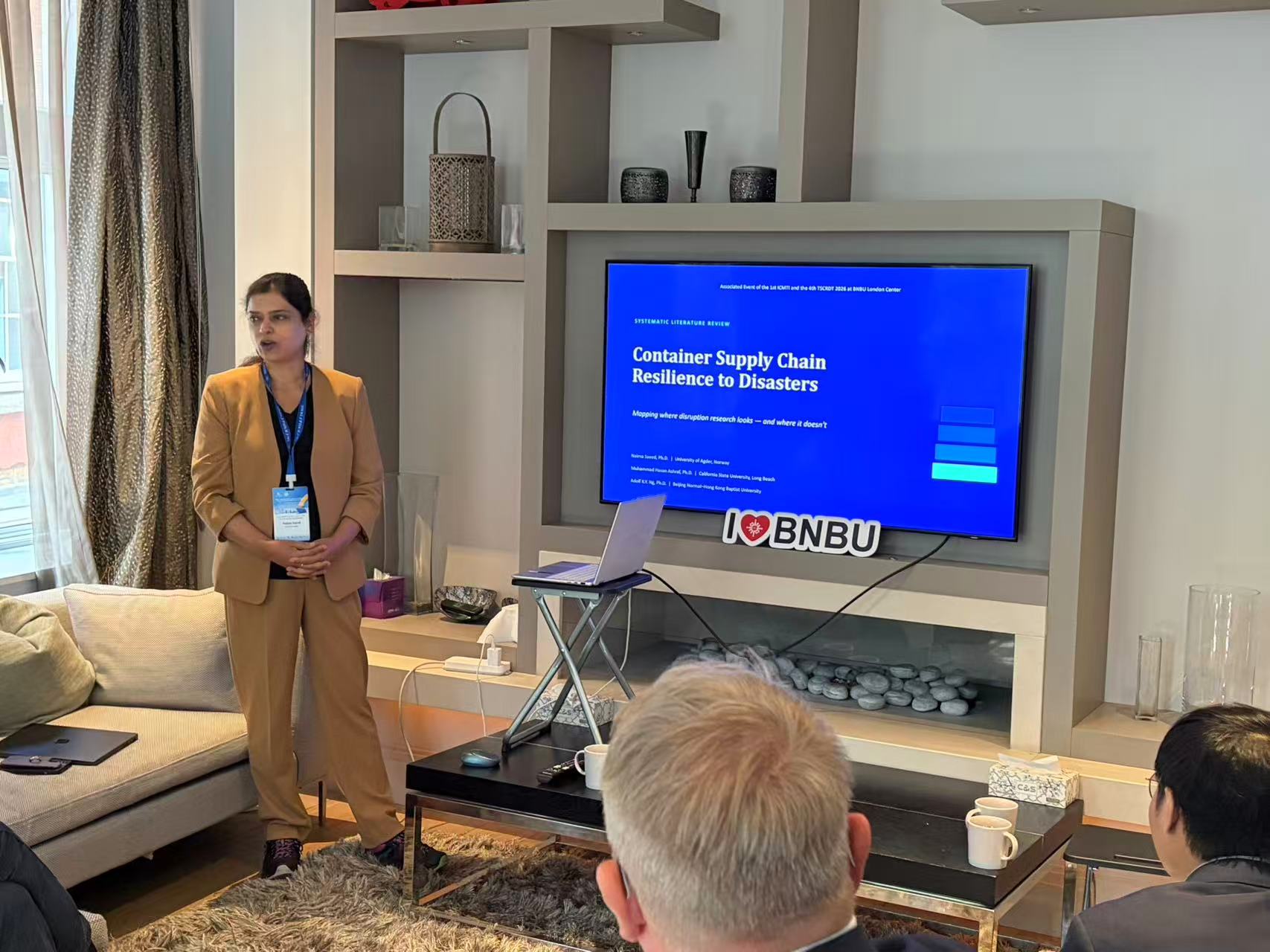
Professor Naima Saeed from the University of Agder in Norway chose a retrospective approach. Her presentation, "Container Supply Chain Resilience to Disasters: Evidence from a Systematic Review," offered a panoramic "check-up" of related literature over the past two decades. Disaster types, resilience dimensions, measurement indicators, and intervention strategies were all mapped out in a clear analytical framework. Professor Saeed particularly noted that the resilience mechanisms at intermodal junctions and rapid recovery paths post-disaster remained significant gaps in the literature. For young scholars entering this field, this was undoubtedly a valuable "research map."
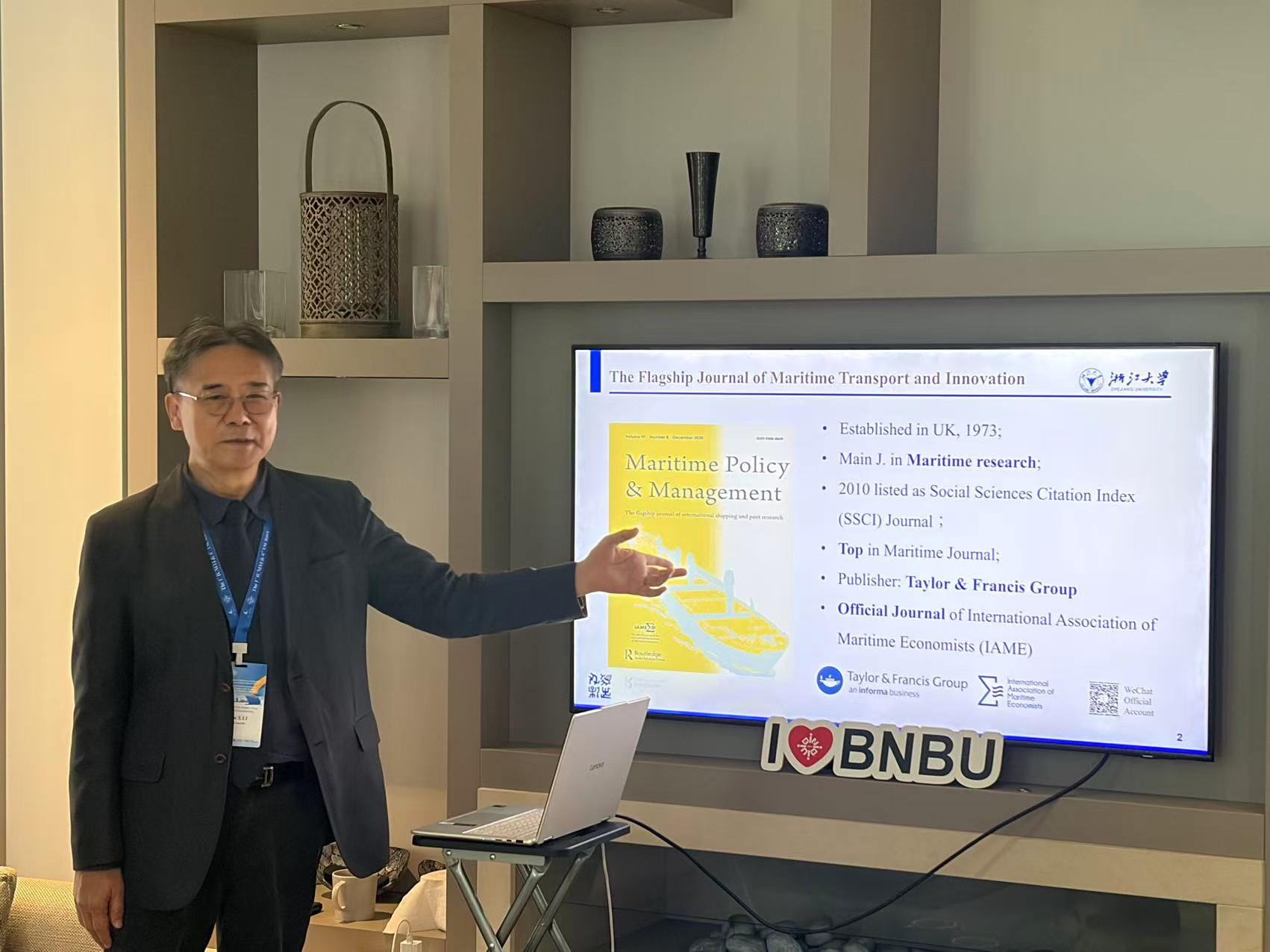
Conversely, Professor Kevin X. Li from Zhejiang University, Editor-in-Chief of Maritime Policy & Management, took a forward-looking approach. His report, "Navigating the Al Wave in Maritime Transport and Innovation: a systematic review," introduced cutting-edge natural language processing technology into literature review work. By modeling topics from a vast array of shipping management literature, Professor Li not only created a heat map of AI applications in scenarios like ship scheduling, port operations, and risk prediction but also made a bold assertion: shipping management is at the brink of a transition from experience-driven to algorithm-driven practices.
One session was a rigorous systematic review, and the other was intelligent technological empowerment. Tradition and innovation formed a fascinating dialogue at the conference.
From Papers to Practice: The Bidirectional Journey of Academia and Industry
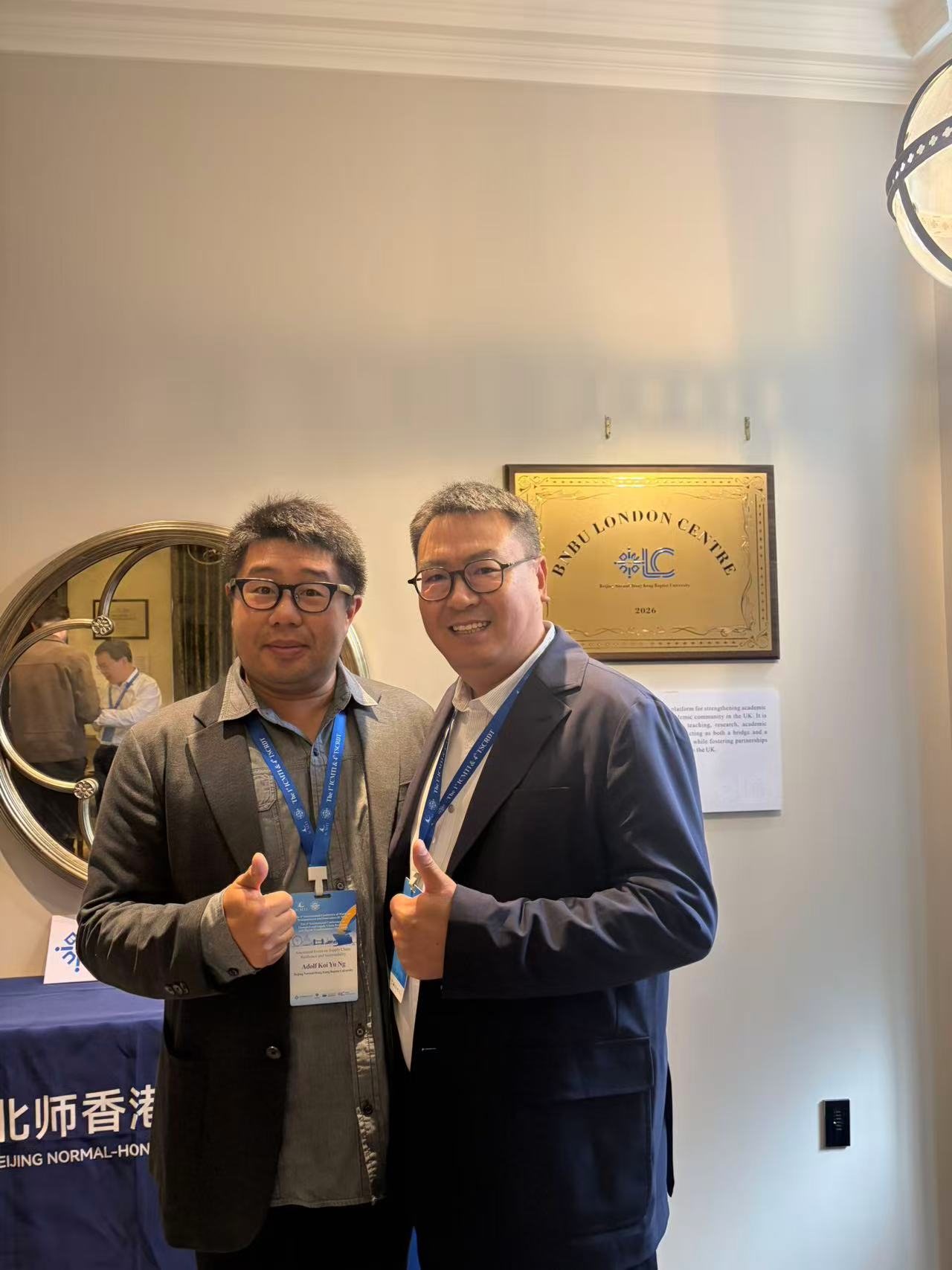
Professor Adolf K.Y. Ng, serving as the conference co-chair, Dean of BNBU Faculty of Business and Management, Director of BNBU London Center, and Associate Editor of Transportation Research Part D, delivered a talk that young scholars called "the most practical fifteen minutes": "Publishing in Transportation Research Part D's "Disasters and Resilience" Section." He avoided grand theories and instead, from a reviewer’s perspective, dissected strategies for selecting topics and extracting theoretical contributions for high-level papers. A phrase many attendees noted was: "Disaster and resilience research needs more than case studies; it requires understanding the causal mechanisms of 'why systems fail' and 'how to prevent collapse.'"
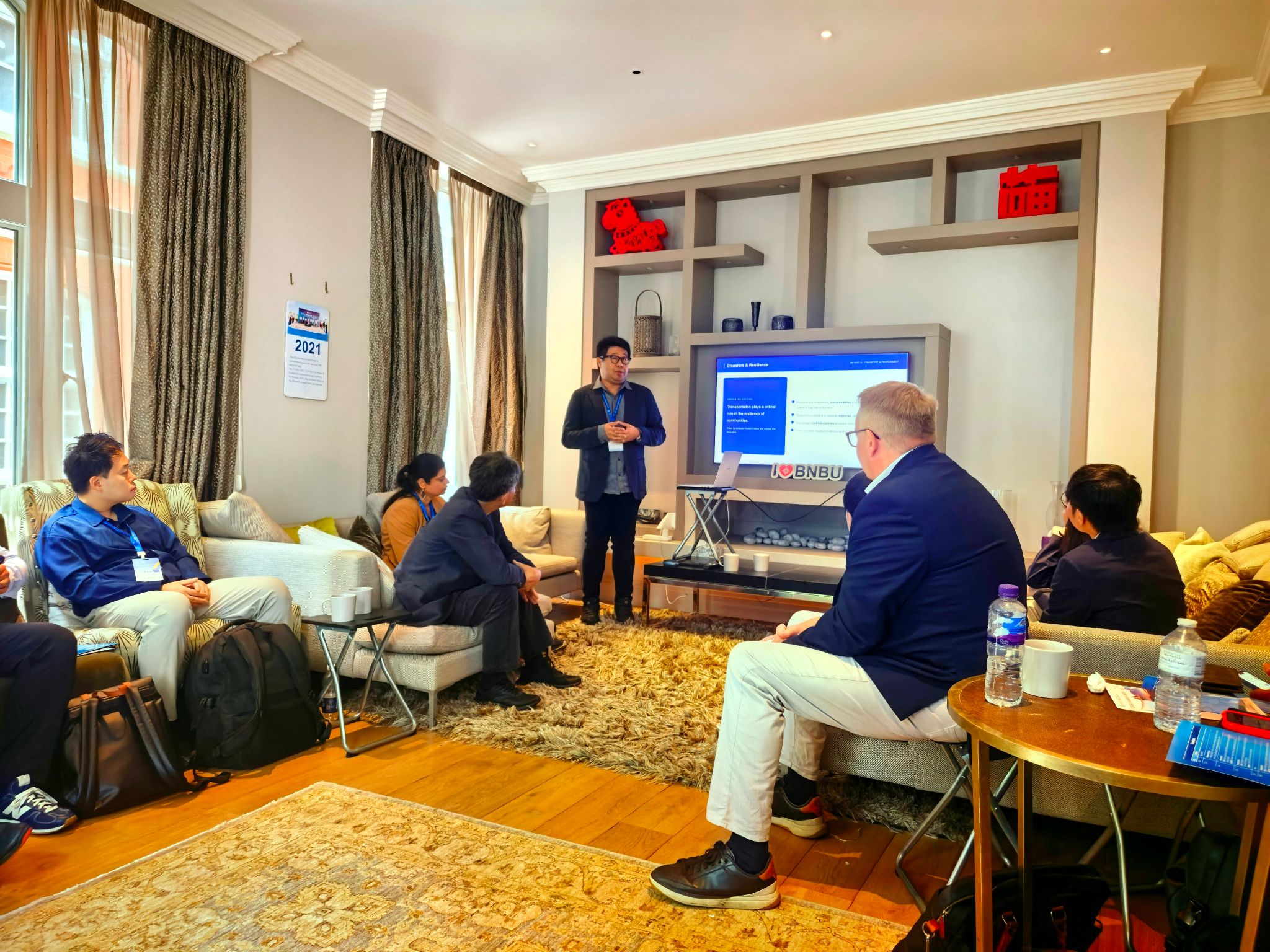
Nigel Quinn, CEO of Bibby Marine Limited, the UK’s leading Service Operation Vessel (SOV) Operator, in his report "Supply Chain Resilience and Sustainability," brought a different vibe to the venue. Without models or formulas on slides, he shared vivid cases from the front lines of business operations: emergency decisions during port congestion, cost battles amid fuel price fluctuations, and fleet dispatch under extreme weather. Mr. Quinn candidly pointed out the "gap that needs bridging" between academia and industry: ideal resilience optimization models in academic research often struggle to integrate with the cost, timeliness, and compliance pressures faced by businesses. He urged scholars to listen more to the constraints of the industry, ensuring research truly delivers real-world impact.
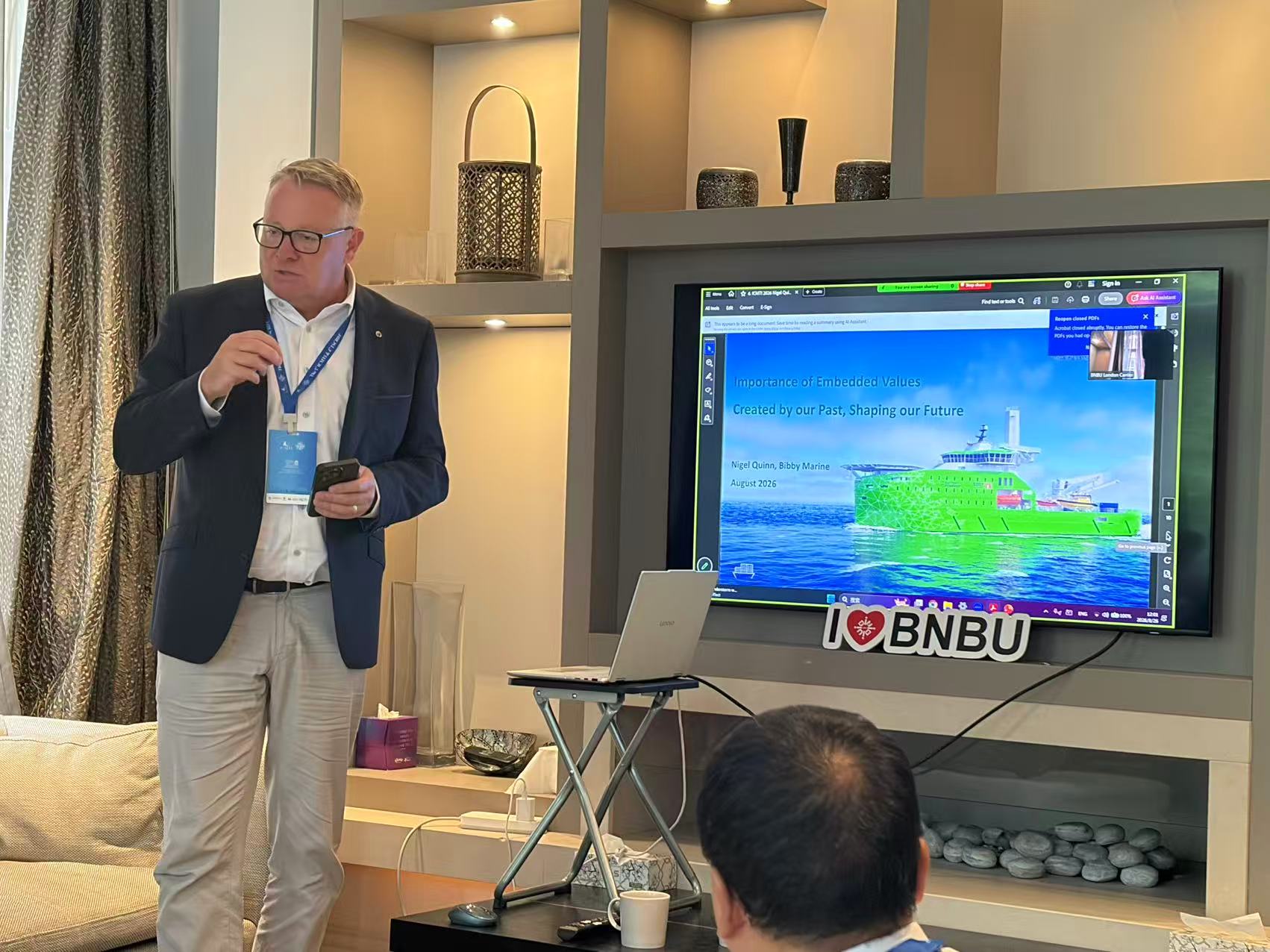
One shared how to write research into top journals, while the other reminds you that research must ultimately return to the real world. At this moment, academia and industry completed a mutual gaze.
Roundtable Moment: Multiple Voices, One Roadmap
The true climax of the morning's agenda belonged to the six-person roundtable.
All the participants gathered around a single theme: drawing a roadmap for the future research on maritime shipping and supply chain resilience.
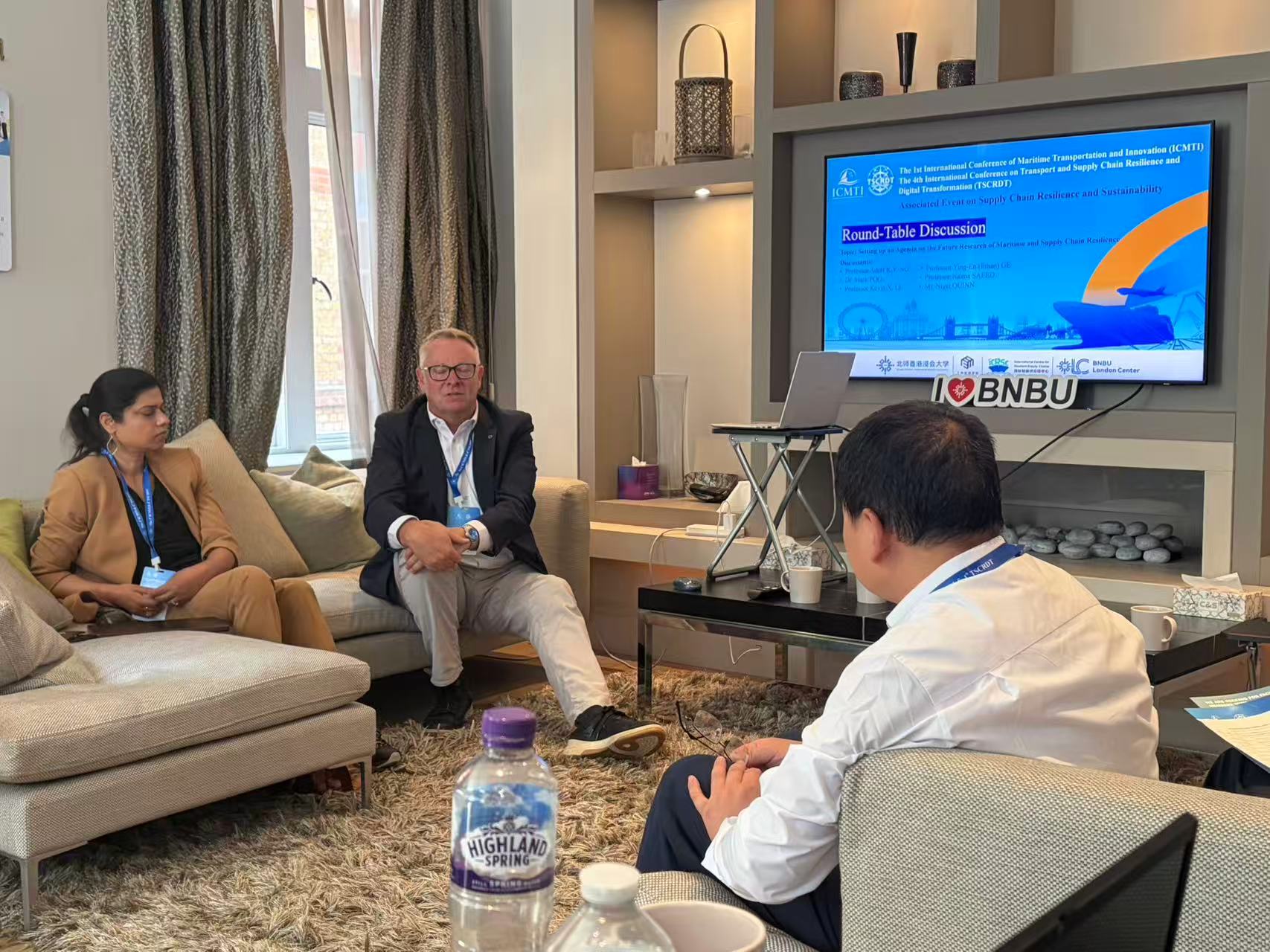
Different people, different perspectives. Macro policies, econometric methods, systematic reviews, AI technology, publication pathways, and industry practices. They could have advanced in parallel, but at this moment, they sparked intense discussions. "Interdisciplinary integration" was repeatedly mentioned, "data accessibility" became a consensus pain point, and "shifting from resilience assessment to resilience design" was seen as the core pivot for the next generation of research.
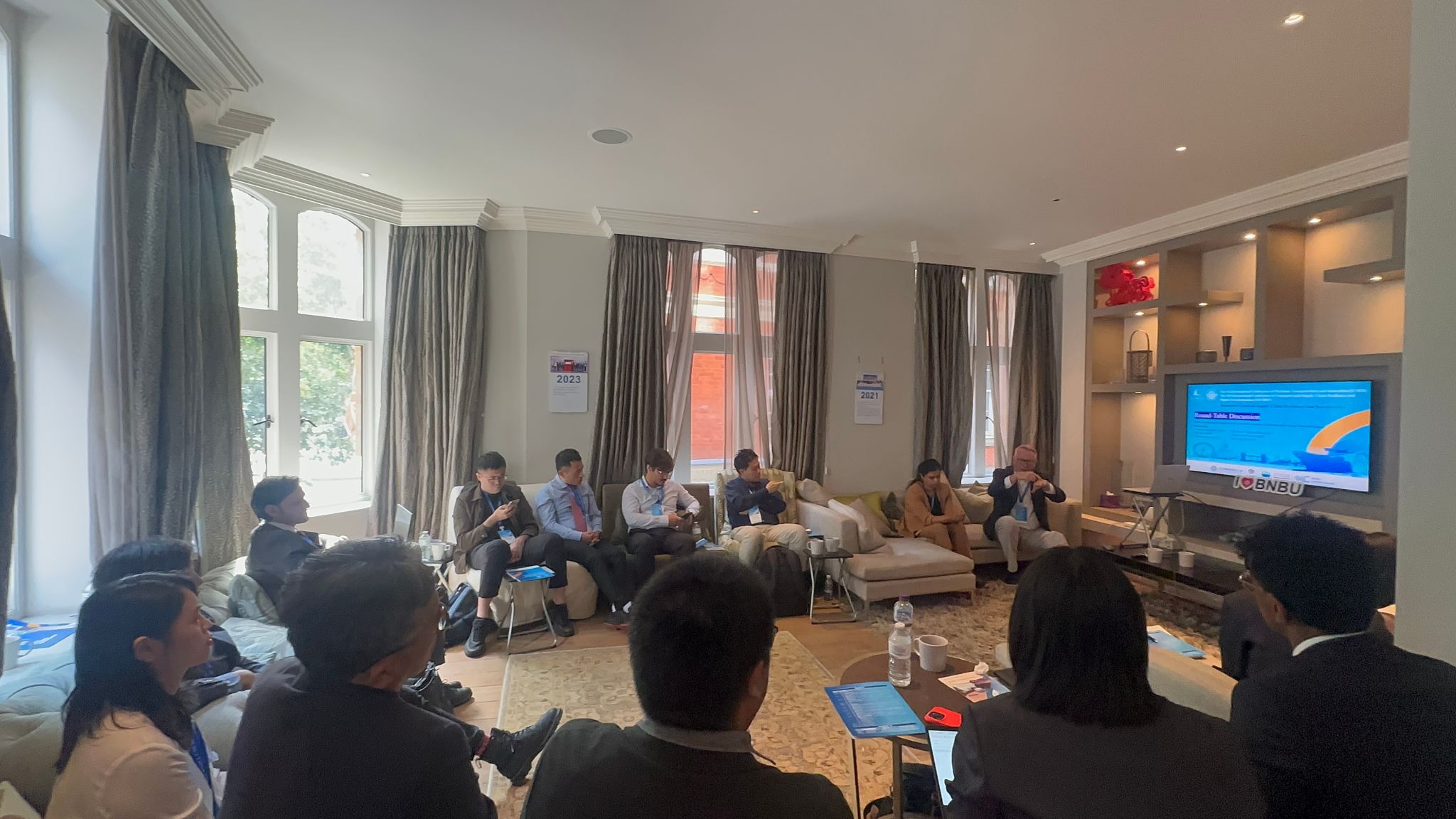
The most moving aspect wasn't a specific viewpoint but the atmosphere: when scholars and practitioners set aside their respective "language systems" and genuinely attempted to understand each other's constraints and ambitions, a research blueprint with both academic height and industry warmth naturally emerged.
Epilogue: When Academia Returns to Human Connections
The reports may end, but the dialogue doesn't.
During the lunch exchange, dining tables became "second venues." Discussions about cooperation intentions for Arctic routes, data sharing for AI models, and submission queriesand experiences flowed between knives, forks, and coffee cups. At the evening welcome dinner, glasses clinked lightly, and the geographical distances from Xi'an to Oslo, Hangzhou to Liverpool dissolved in the face of shared academic pursuits.

On this day, we gained six keywords: green economy, Arctic routes, disaster resilience, artificial intelligence, top journal pathways, and industry practice. But more precious than the keywords were the laughter of old friends reuniting, the anticipation of new knowledge bonds, and the moment academia and industry reaffirmed each other's value.
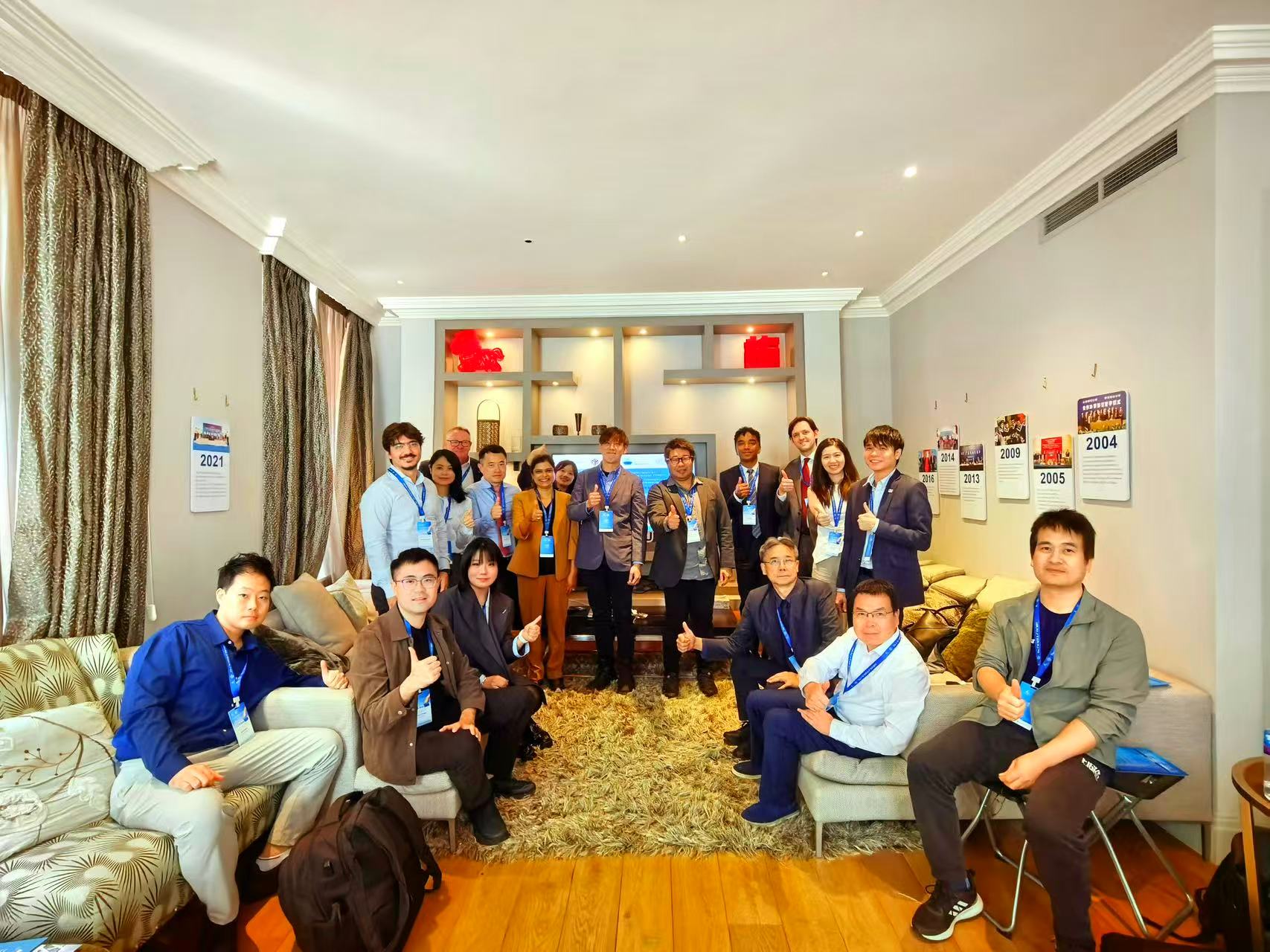
The first day in London has concluded, but the story of resilience is just beginning.