From London to Liverpool: An International Academic Conference on the Future of Shipping
As the global shipping industry is swept by the waves of decarbonization, smart technology, and supply chain resilience, an international academic conference spanning the port cities of Liverpool and London offers fresh perspectives for the industry's next steps.
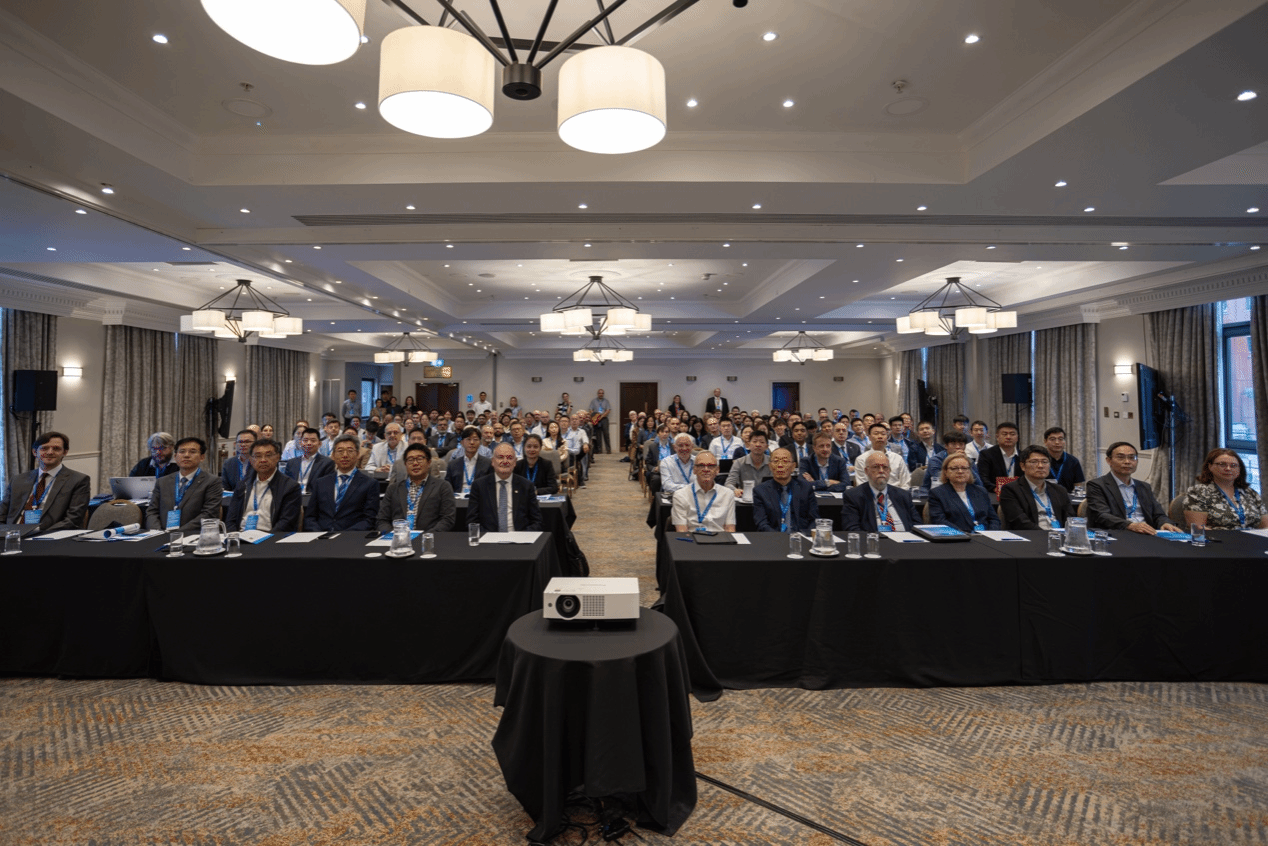
As the port and shipping industries undergo structural transformations, the question of how to make shipping safer, greener, smarter, and more resilient has become a focal point for academics and industry worldwide. An international academic conference addressing this issue was held from August 26 to 29 in London and Liverpool, UK.
A "Tale of Two Cities" Academic Event
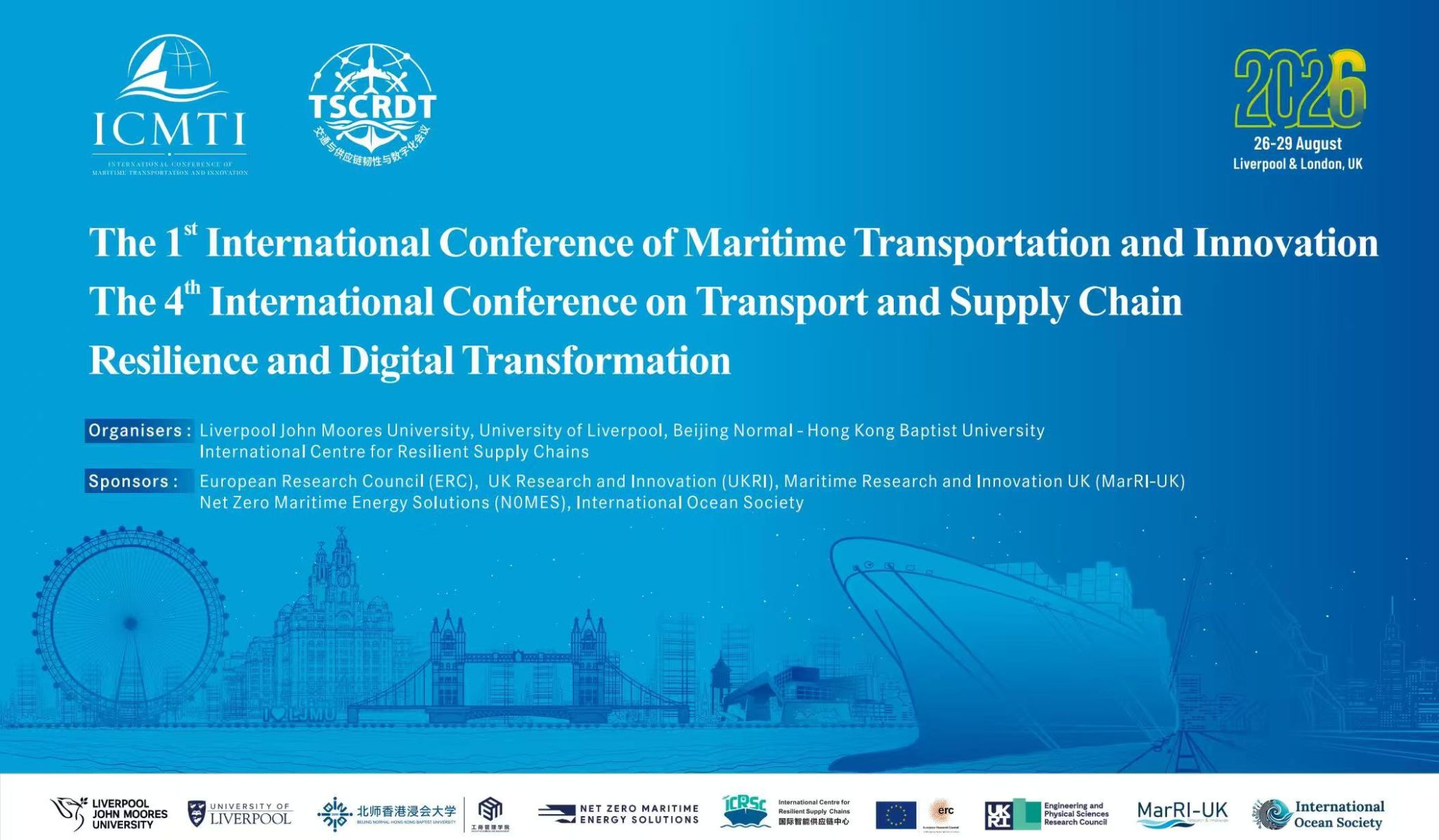
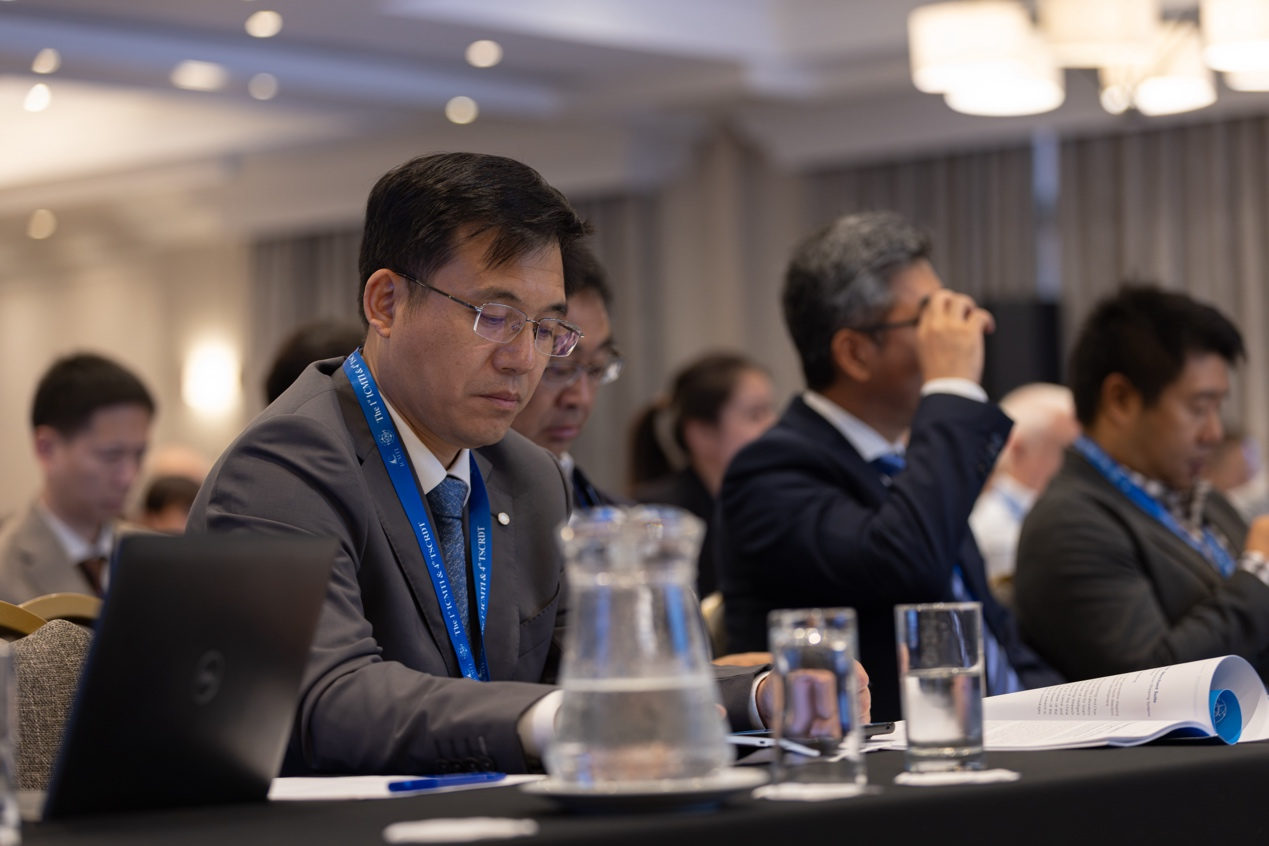
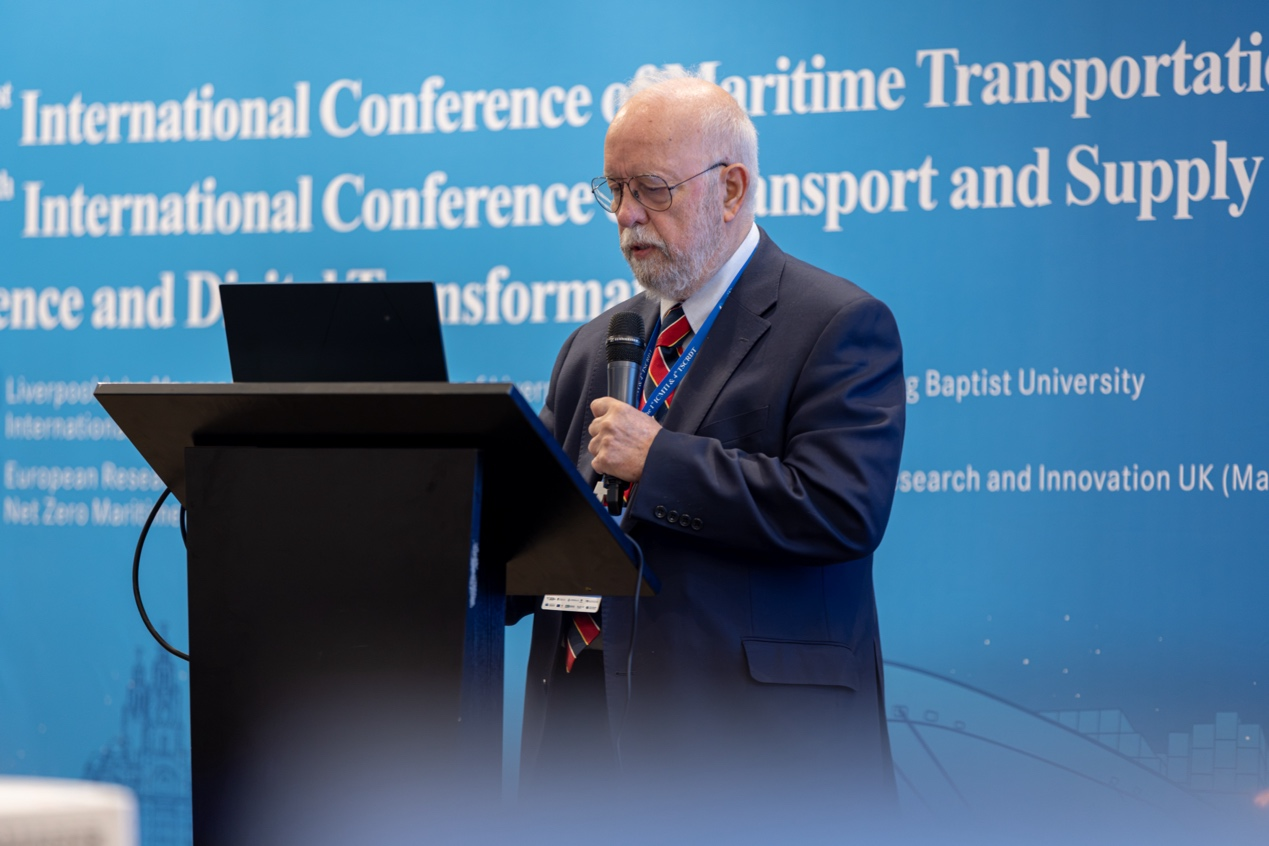
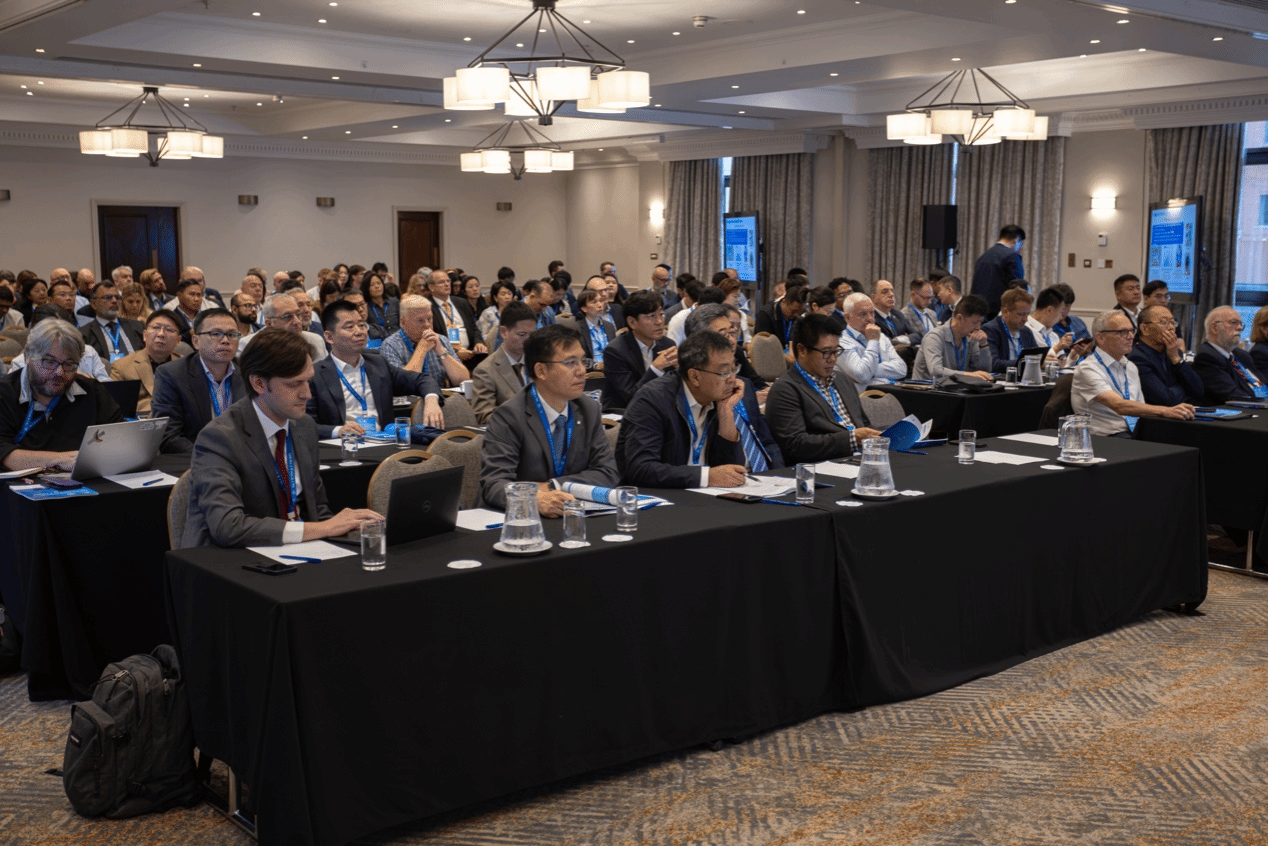
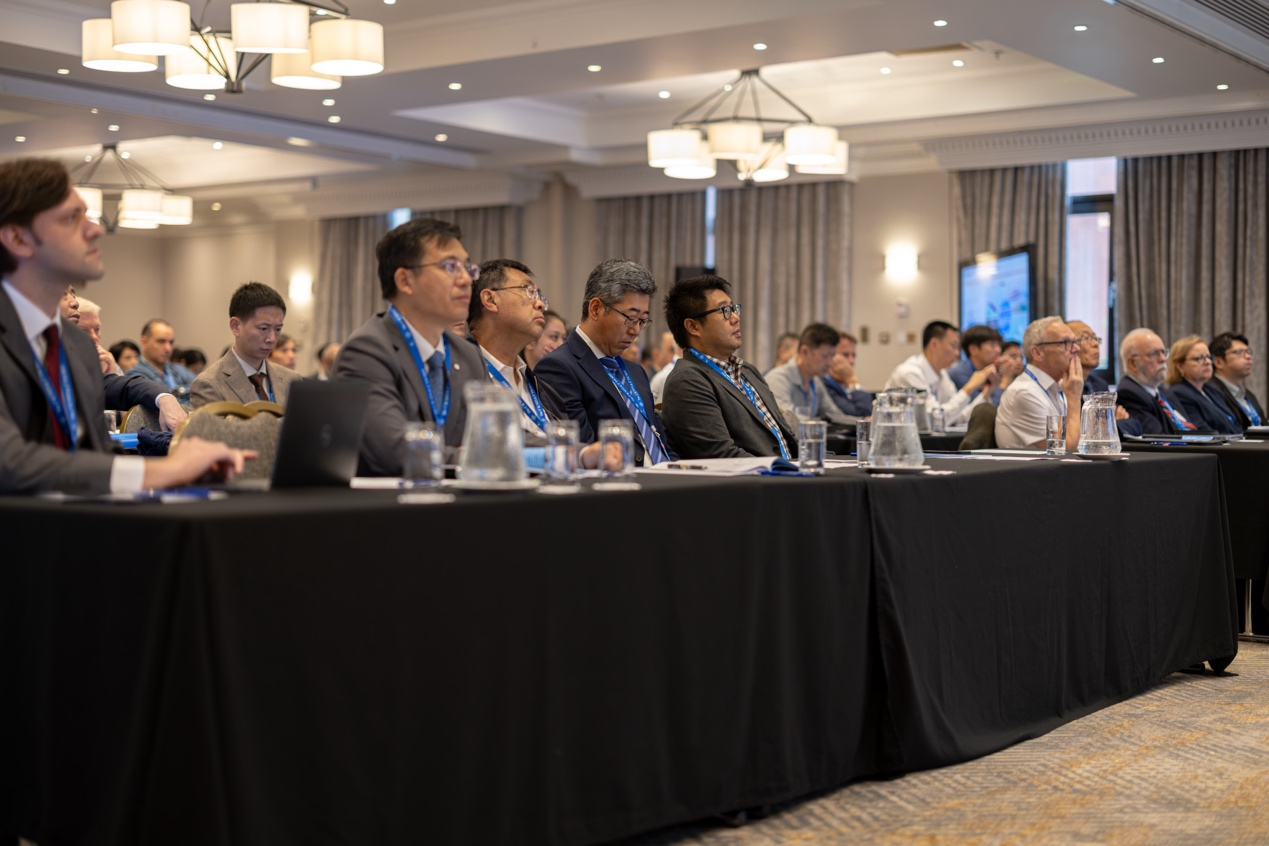
The 1st International Conference on Maritime Transport and Innovation (ICMTI) and the 4th International Conference of Transport and Supply Chain Resilience and Digital Transformation Conference (TSCRDT) took place from August 26-29, 2026, in London and Liverpool. The Associated Event kicked off first at the BNBU London Center, before the main conference programme moved to Liverpool.
Organized by Liverpool John Moores University, the University of Liverpool, and Beijing Normal-Hong Kong Baptist University (BNBU), etc., it enjoys support from the European Research Council (ERC), UK Research and Innovation (UKRI), and UK EPSRC-funded Maritime and Last Mile Net Zero (MaLaMi), etc..
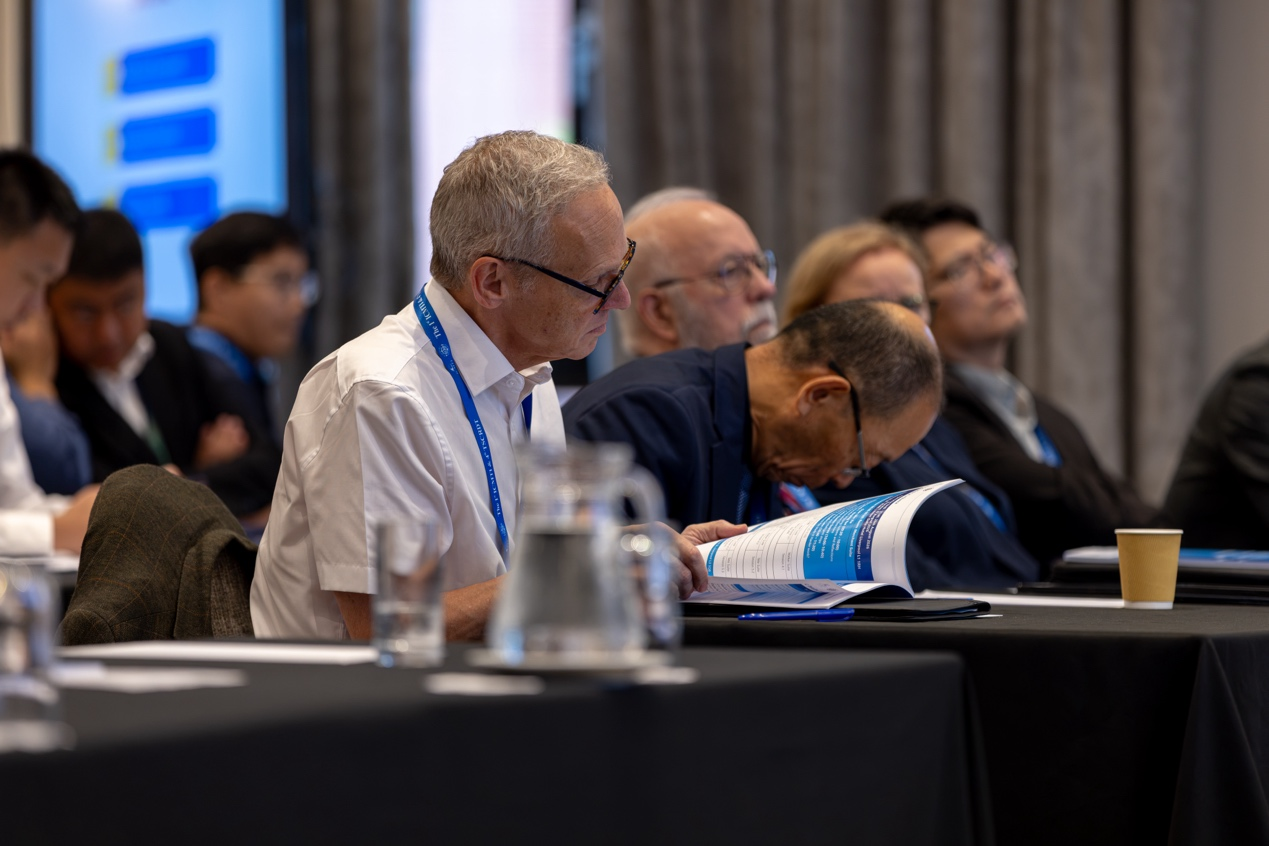
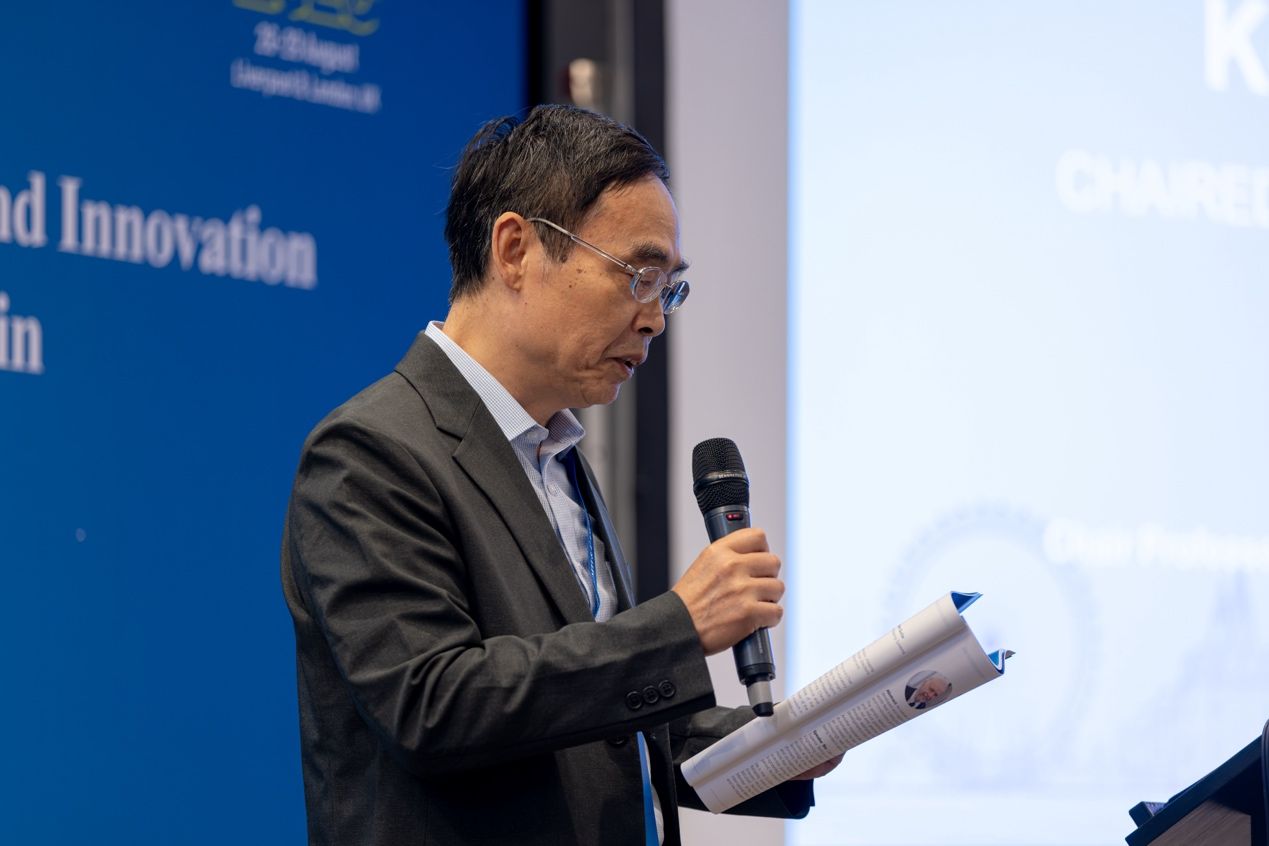
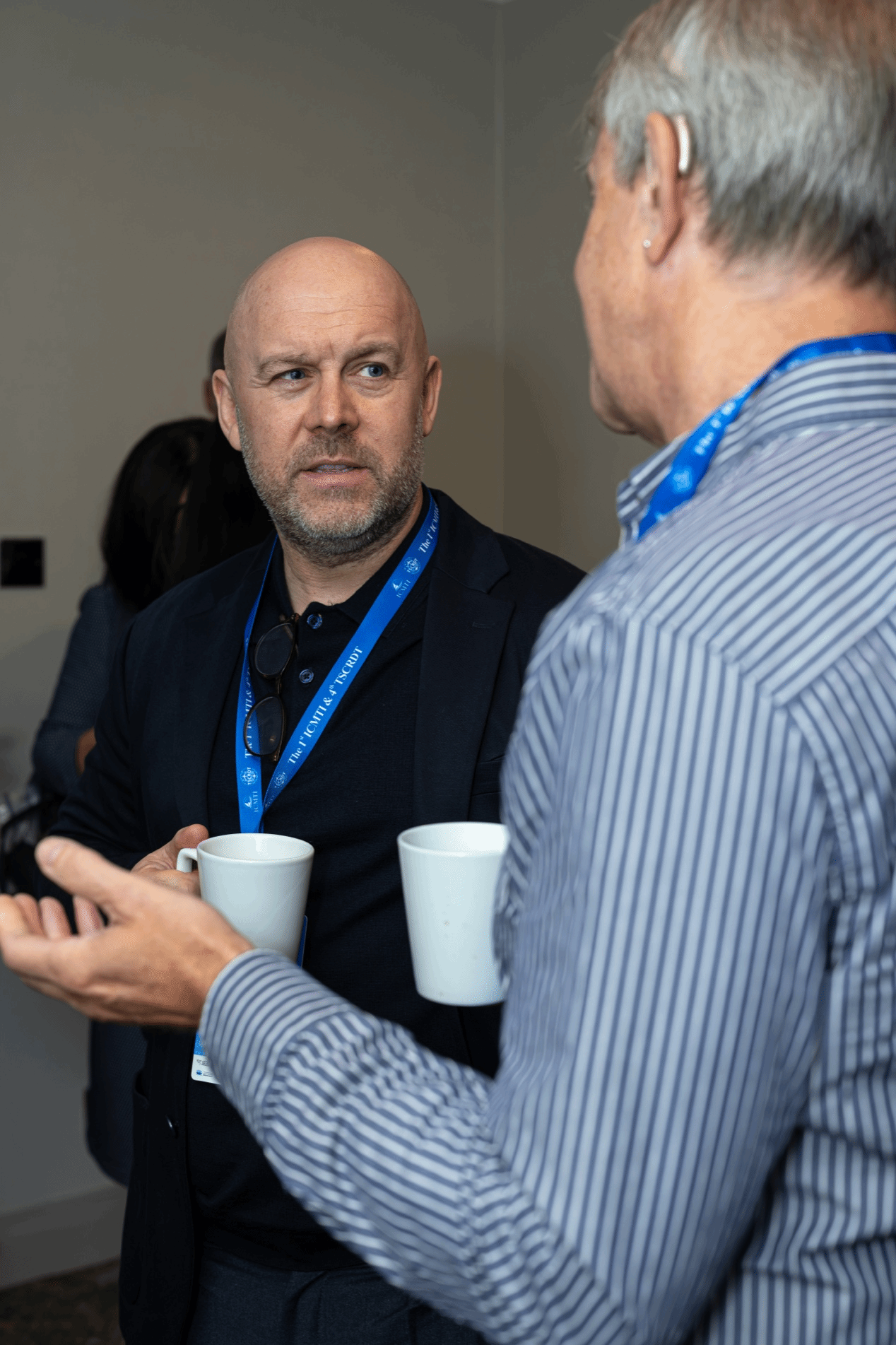
The conference hosted over 100 presentations and 4 special sessions, and brings together 6 keynote speakers, 27 invited and plenary speakers, and participants from academia, industry, and professional organisations.
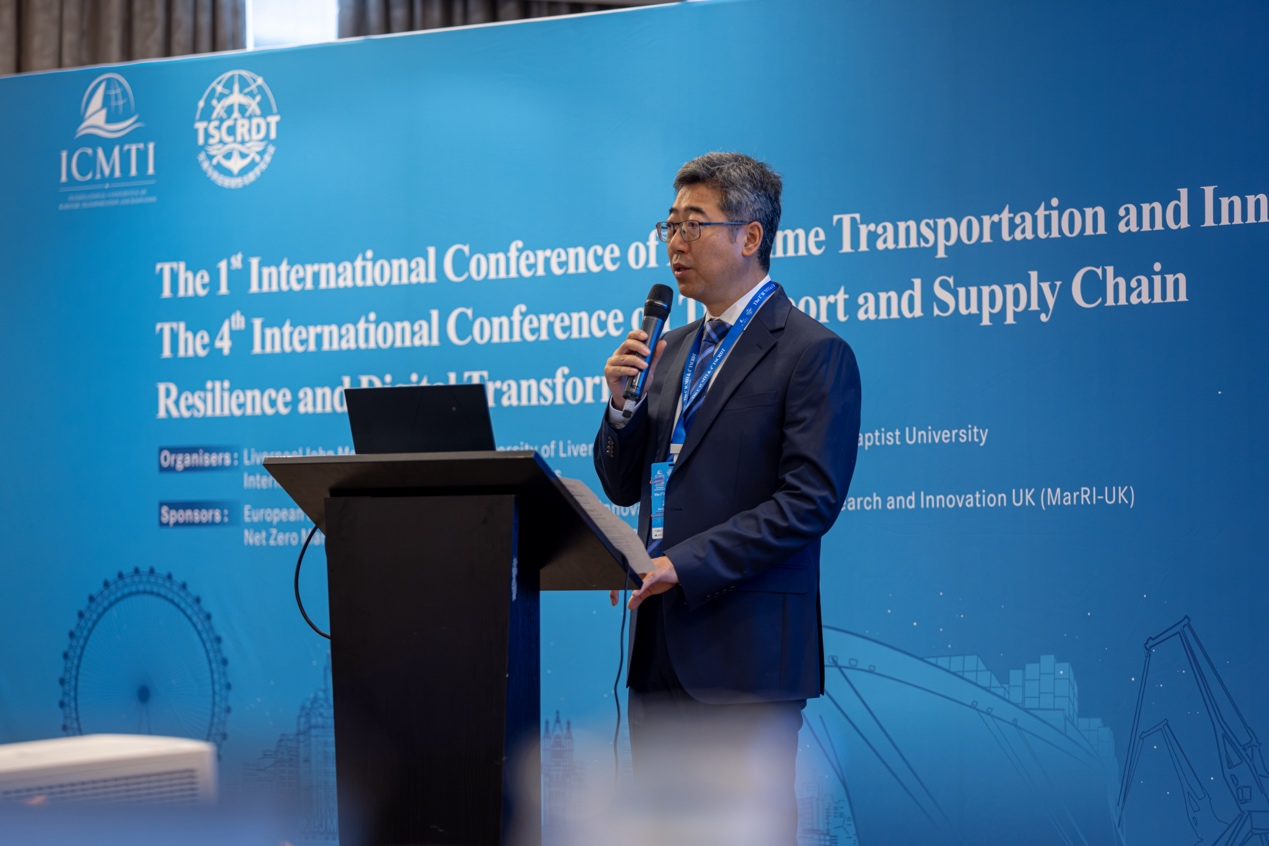
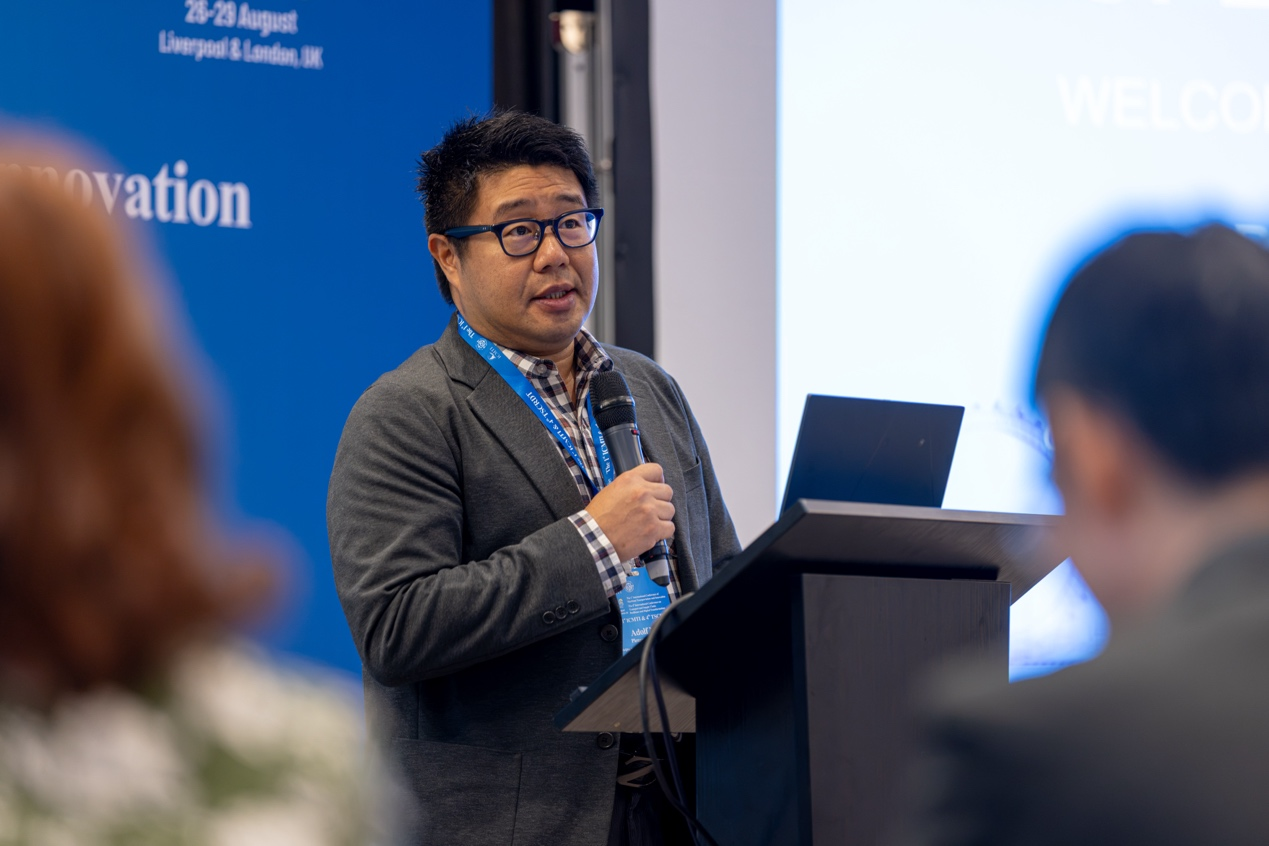
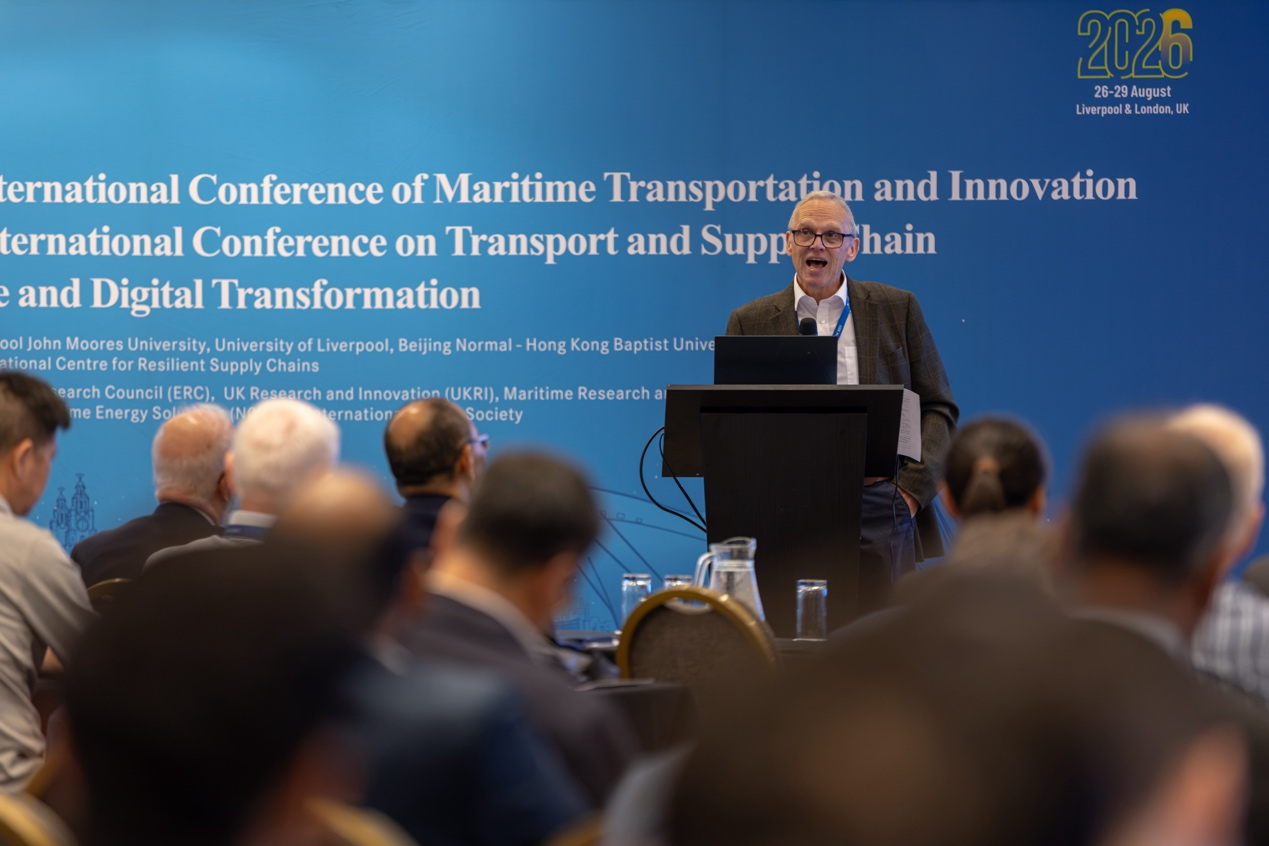
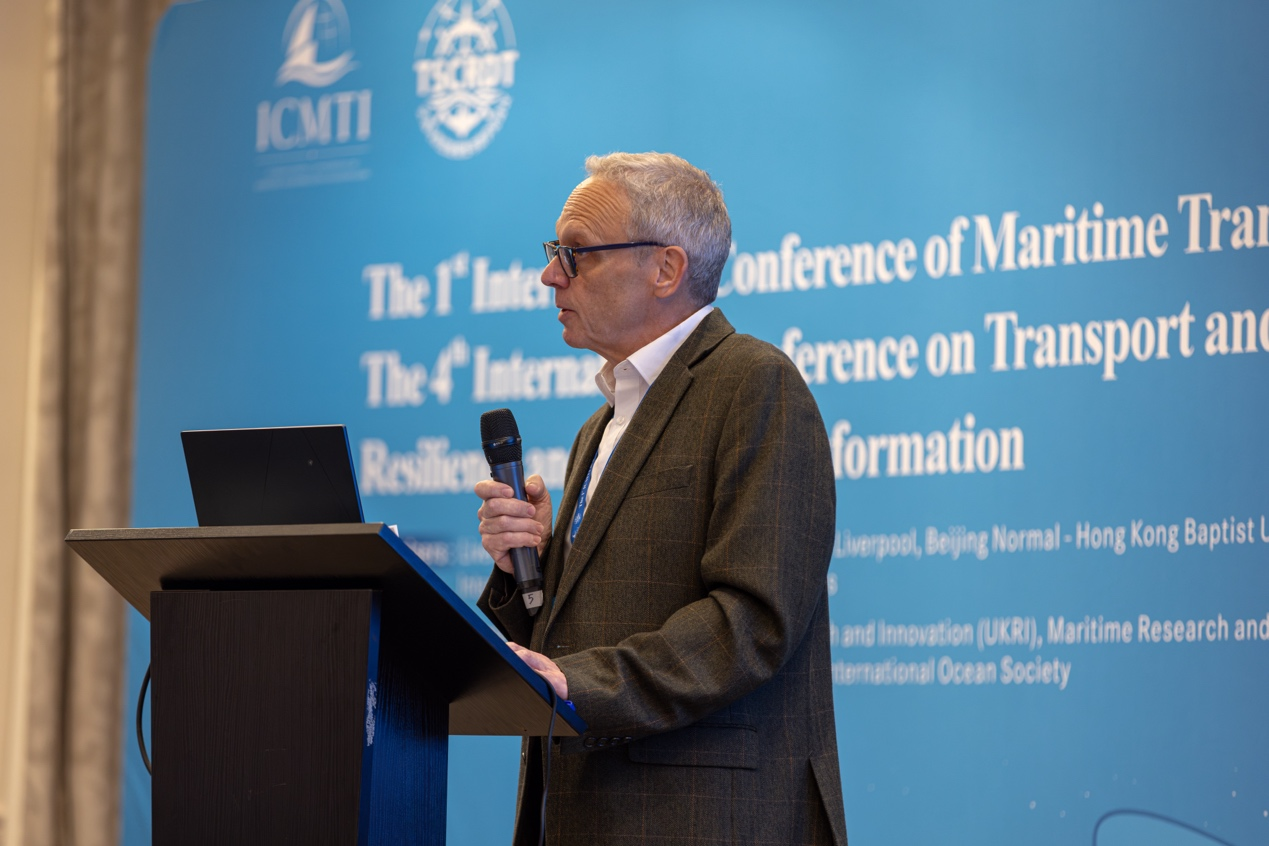
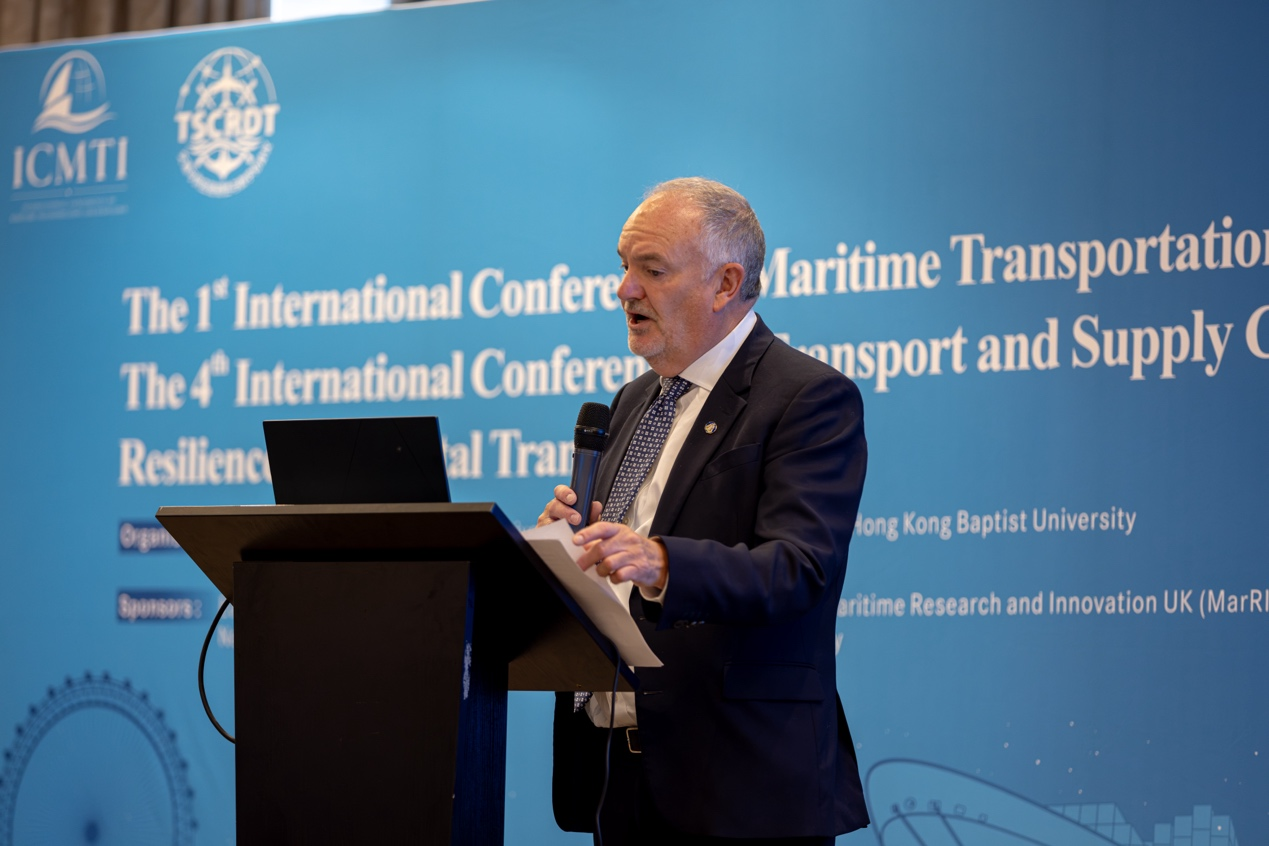
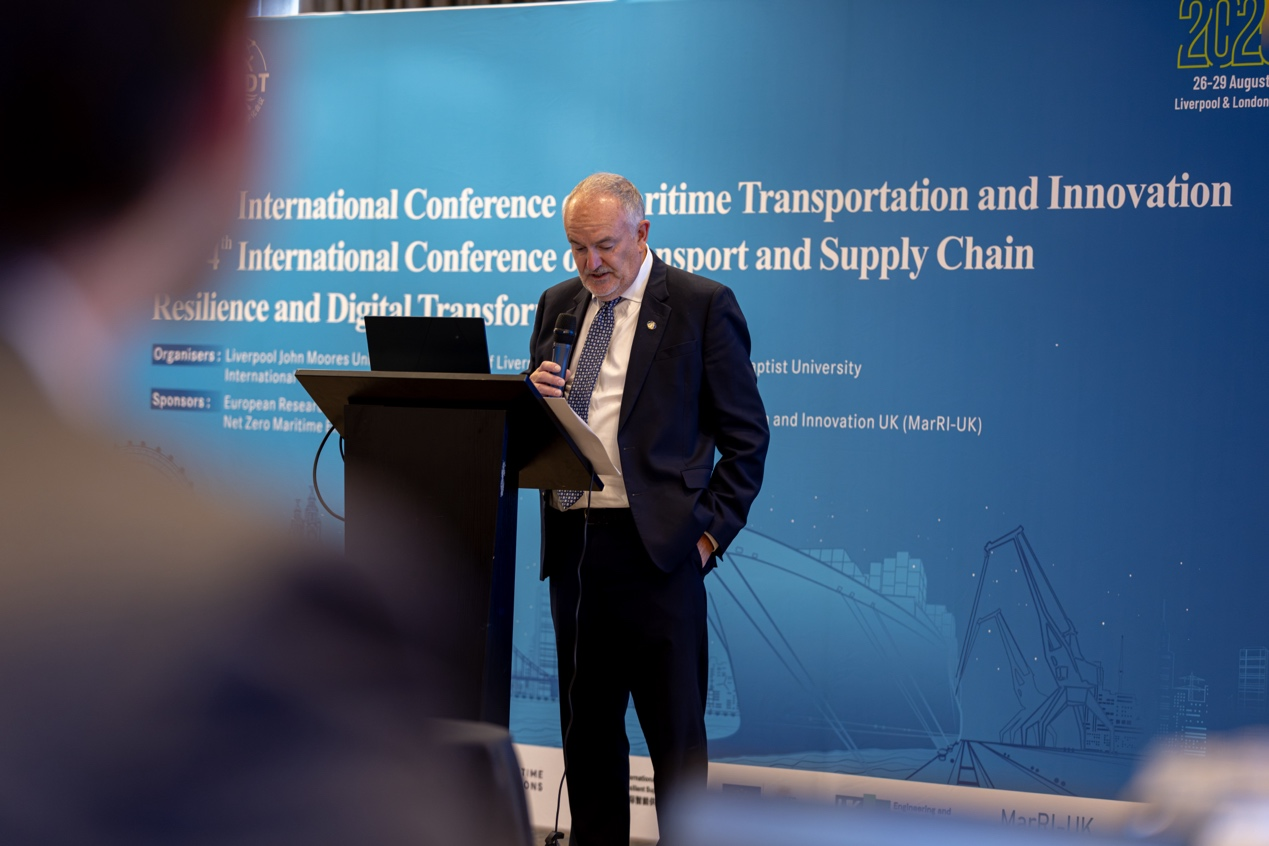
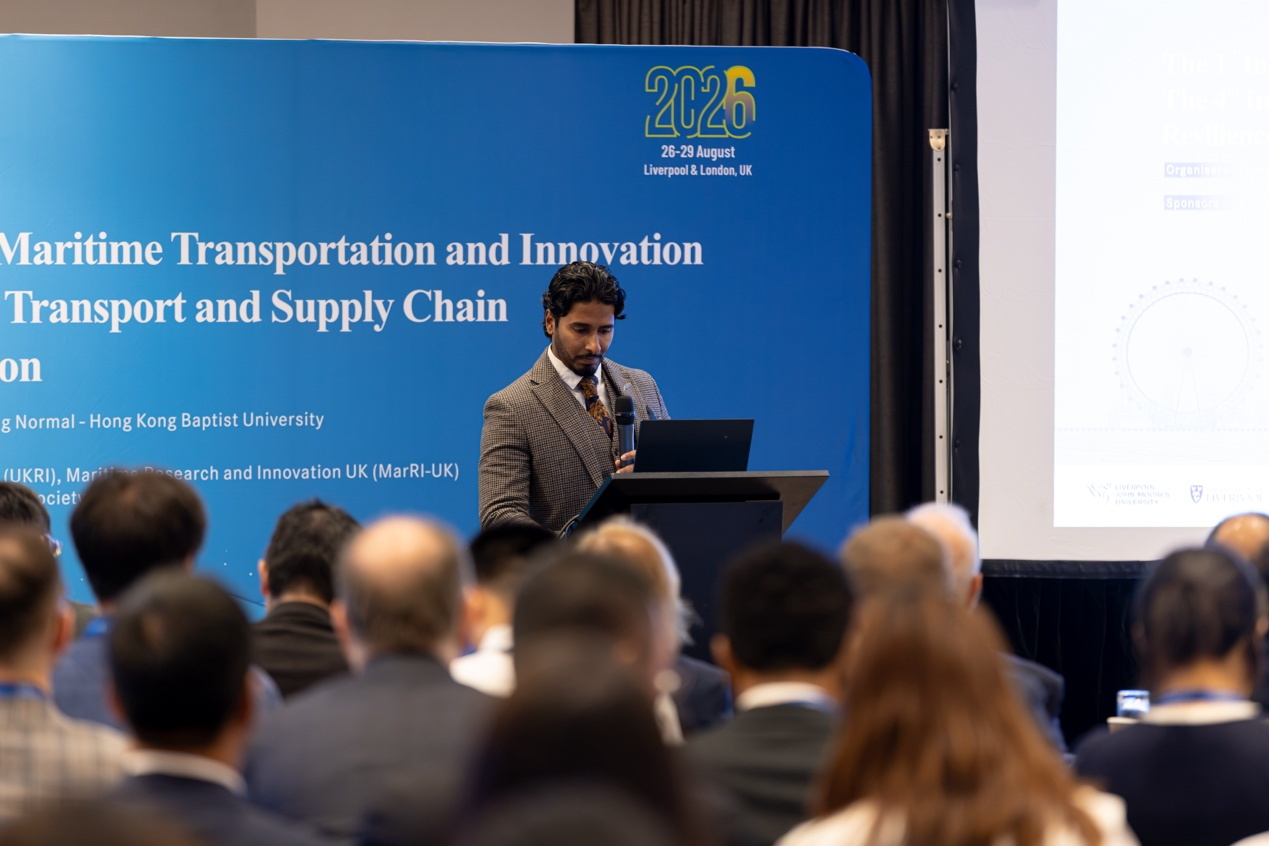
Six Keynote Speeches: Mapping the Present and Future of Shipping
The keynote speakers are a veritable "who's who" of industry influencers:
Professor Yan Xinping from the Chinese Academy of Engineering will discuss next-gen shipping systems.
Professor Carlos Guedes Soares from the Portuguese Academy of Engineering will focus on green and smart ship evolution.
Danielle Lane from RWE Offshore Wind UK will explore the "Offshore Wind Paradox."
Tony Graham from the Royal Navy will share "Eight Perspectives" on turning ideas into innovation.
Professor Xie Min from City University of Hong Kong will tackle challenges in smart systems' reliability.
Professor Jin Wang from Liverpool John Moores University will conclude with a talk on "Risk Design in the Decarbonization and Digitalization Era."
From the technological evolution of ships themselves to innovative methodologies and risk management across the industry, the six keynote speeches will cover nearly all of the core themes of shipping transformation. This is precisely the most worthwhile part of the conference to attend.
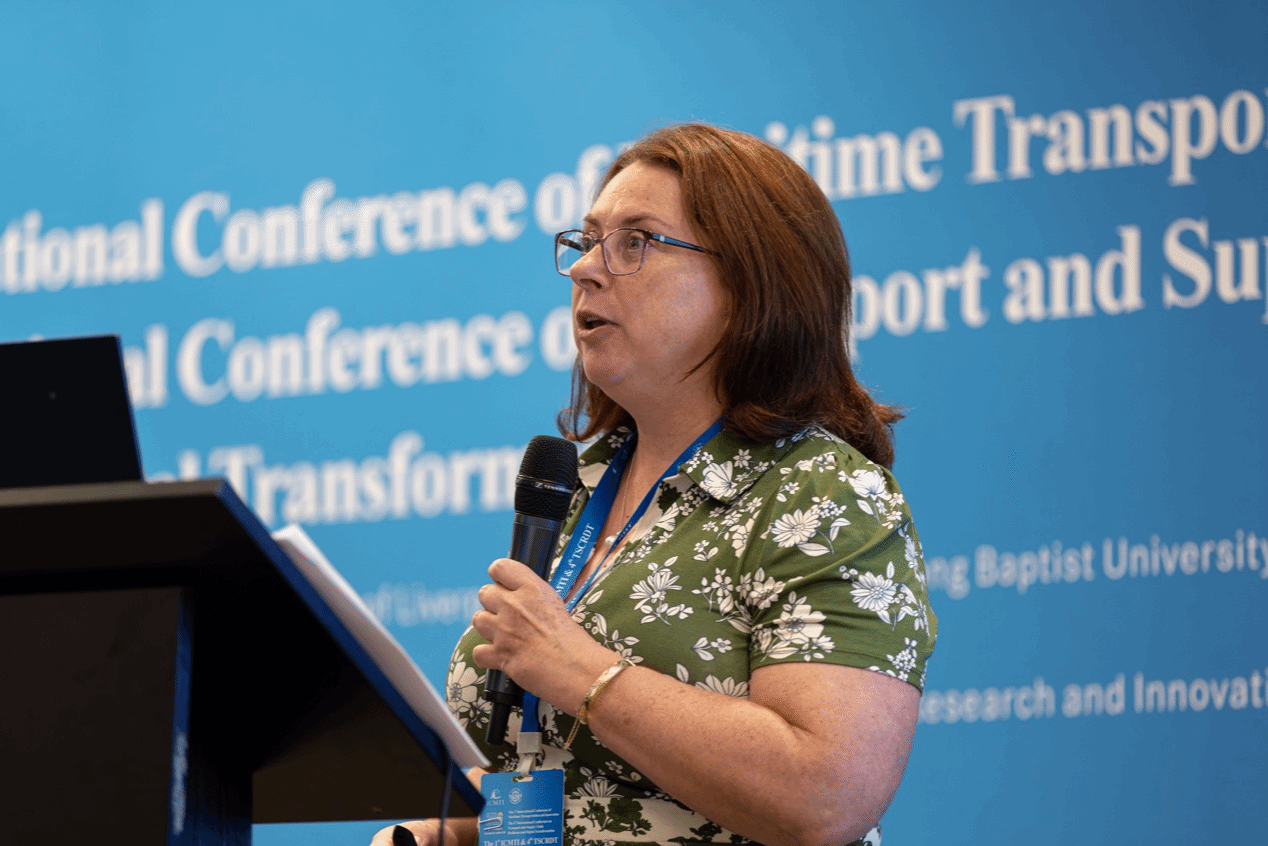
Four Keywords to Understand the Conference's Core Themes
AI and Autonomous Shipping: From MASS to remote control centers and human-machine collaboration.
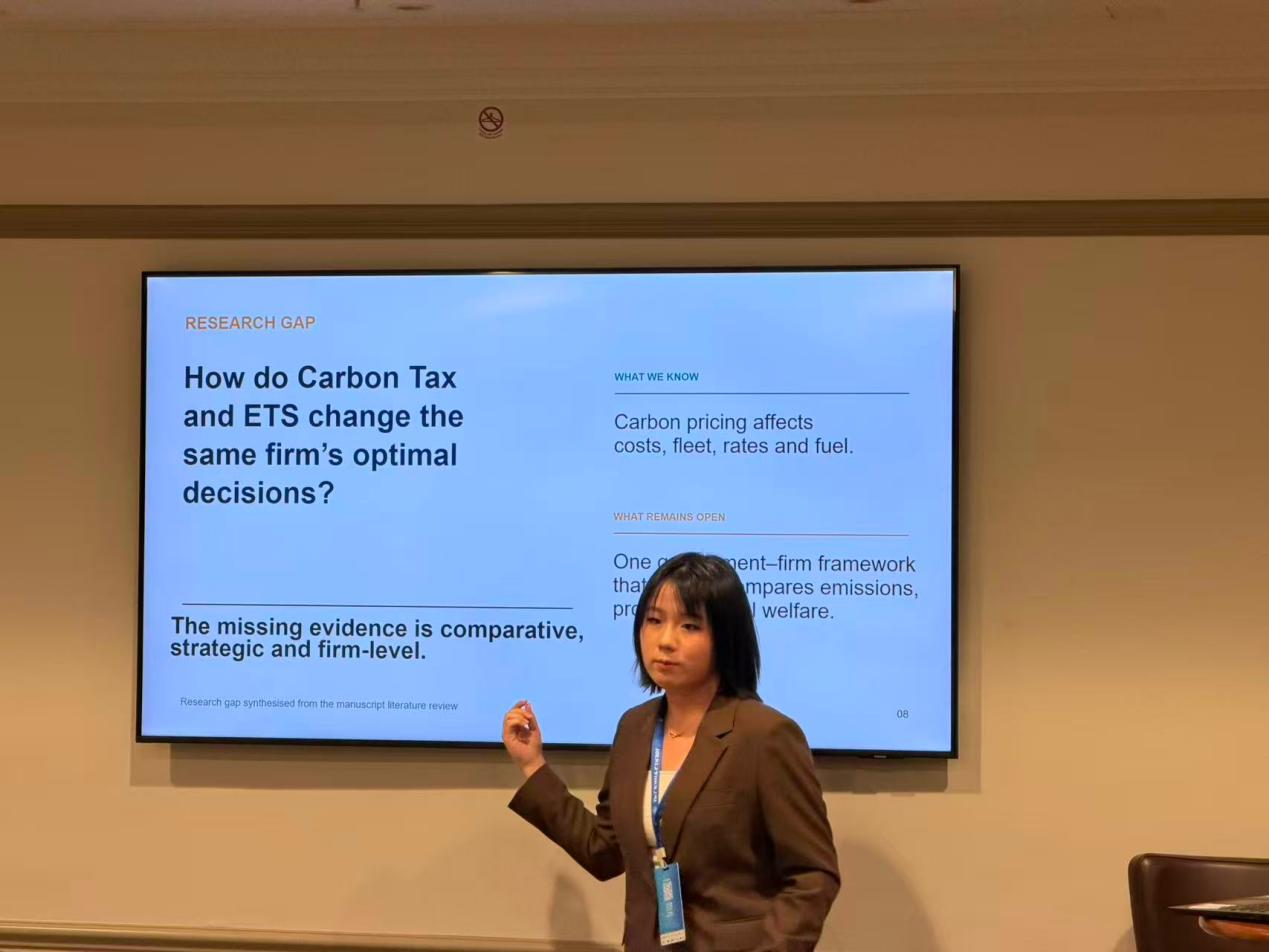
Decarbonization and Alternative Fuels: Green corridors, hydrogen and methanol fuels, and carbon pricing.
Safety, Risk, and Resilience: Maritime safety, supply chain resilience, and cybersecurity in digital ports.
Digital Twins and Blockchain: Trusted data flow, smart ports, and digital logistics operations.
Notable academic contributions include Dr. Huanhuan Li from the University of Southampton on AI-enabled autonomous navigation, Associate Professor Xiwen Bai from Tsinghua University on carbon pricing, Professor Tsan-Ming Choi from the University of Liverpool on blockchain in logistics, and Professor Xinyu Zhang from Dalian Maritime University on green shipping transitions. Co-chair Professor Adolf K.Y. Ng from BNBU presents on disaster resilience strategies in container transport.
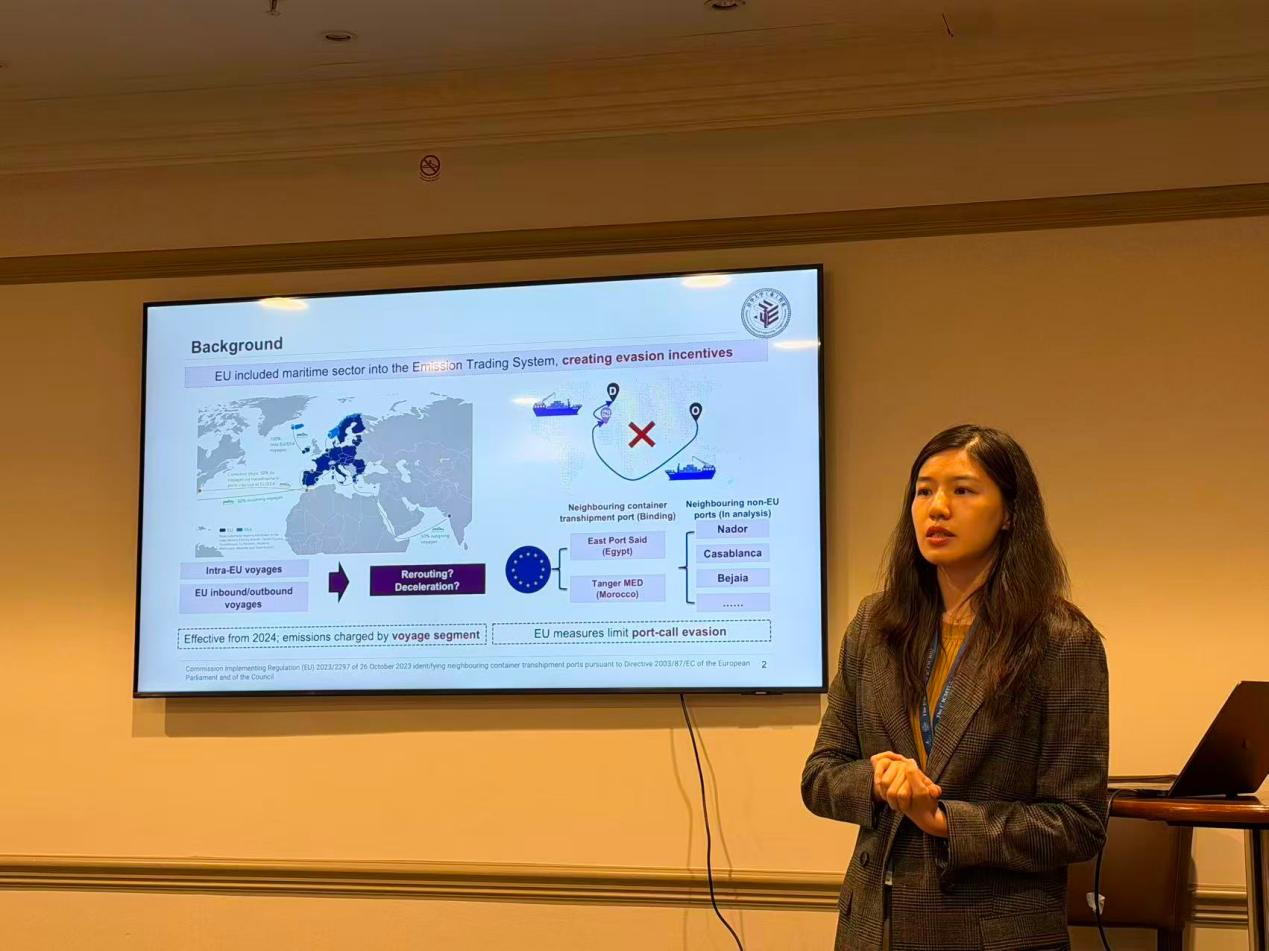
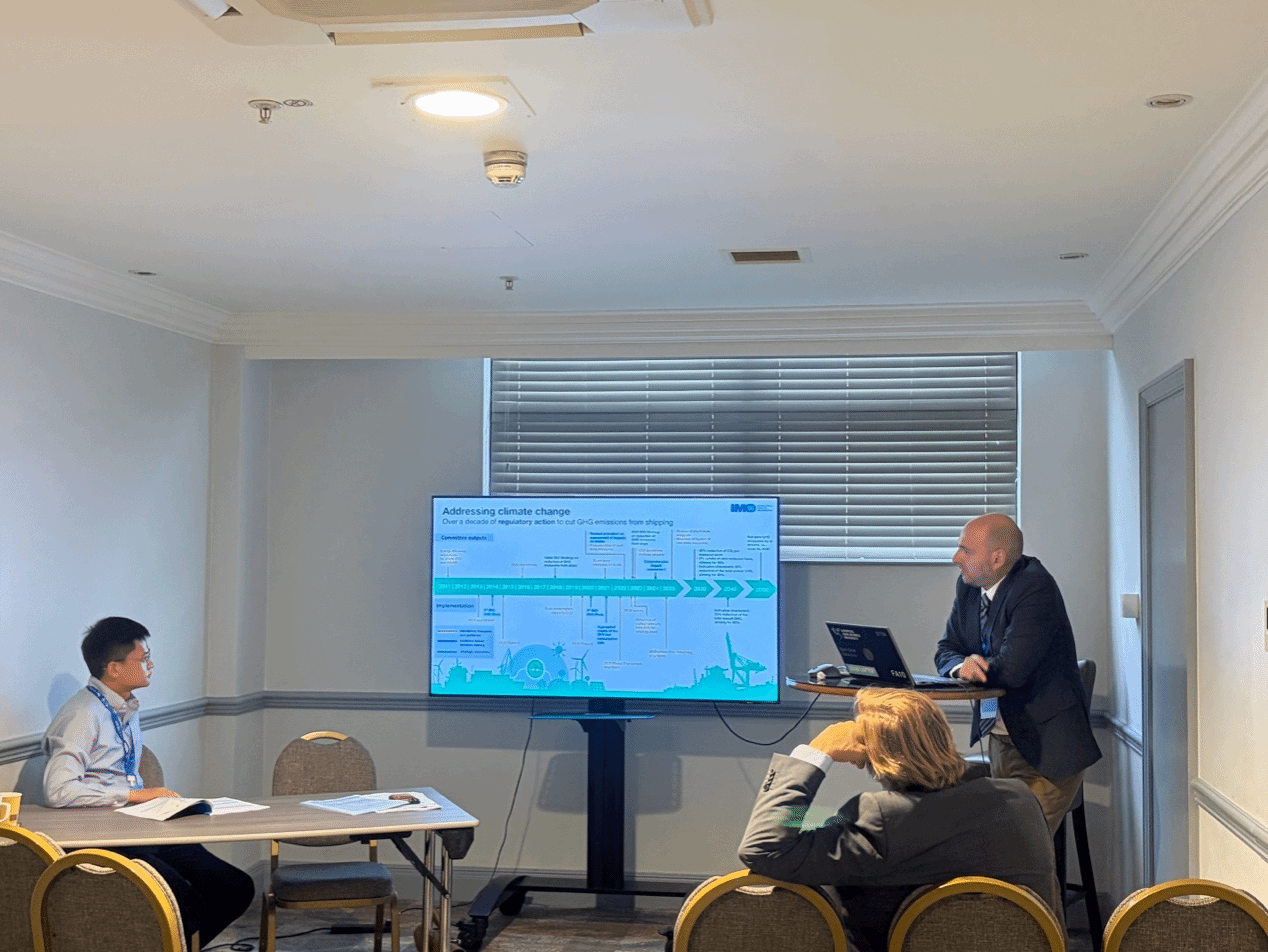
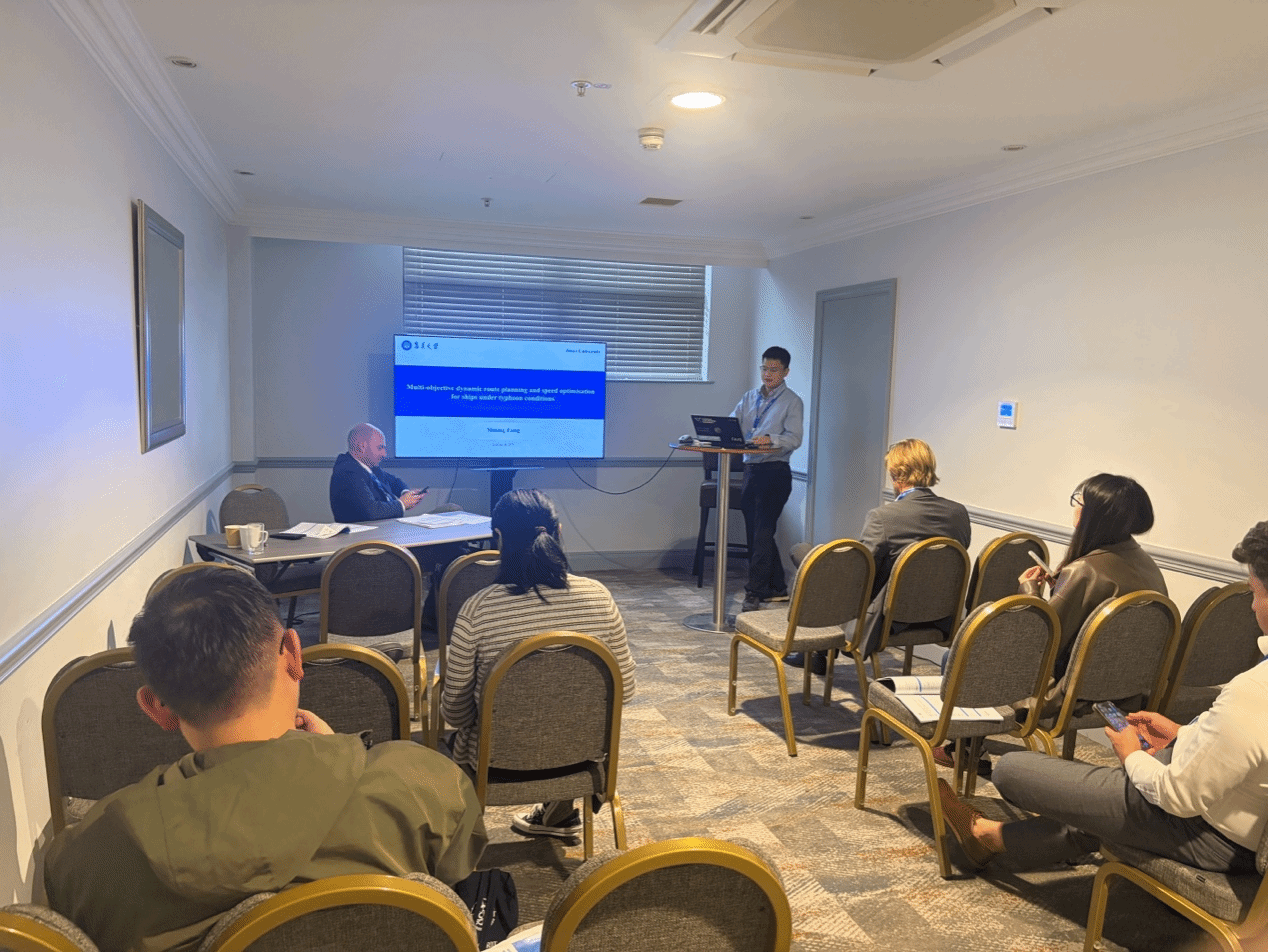
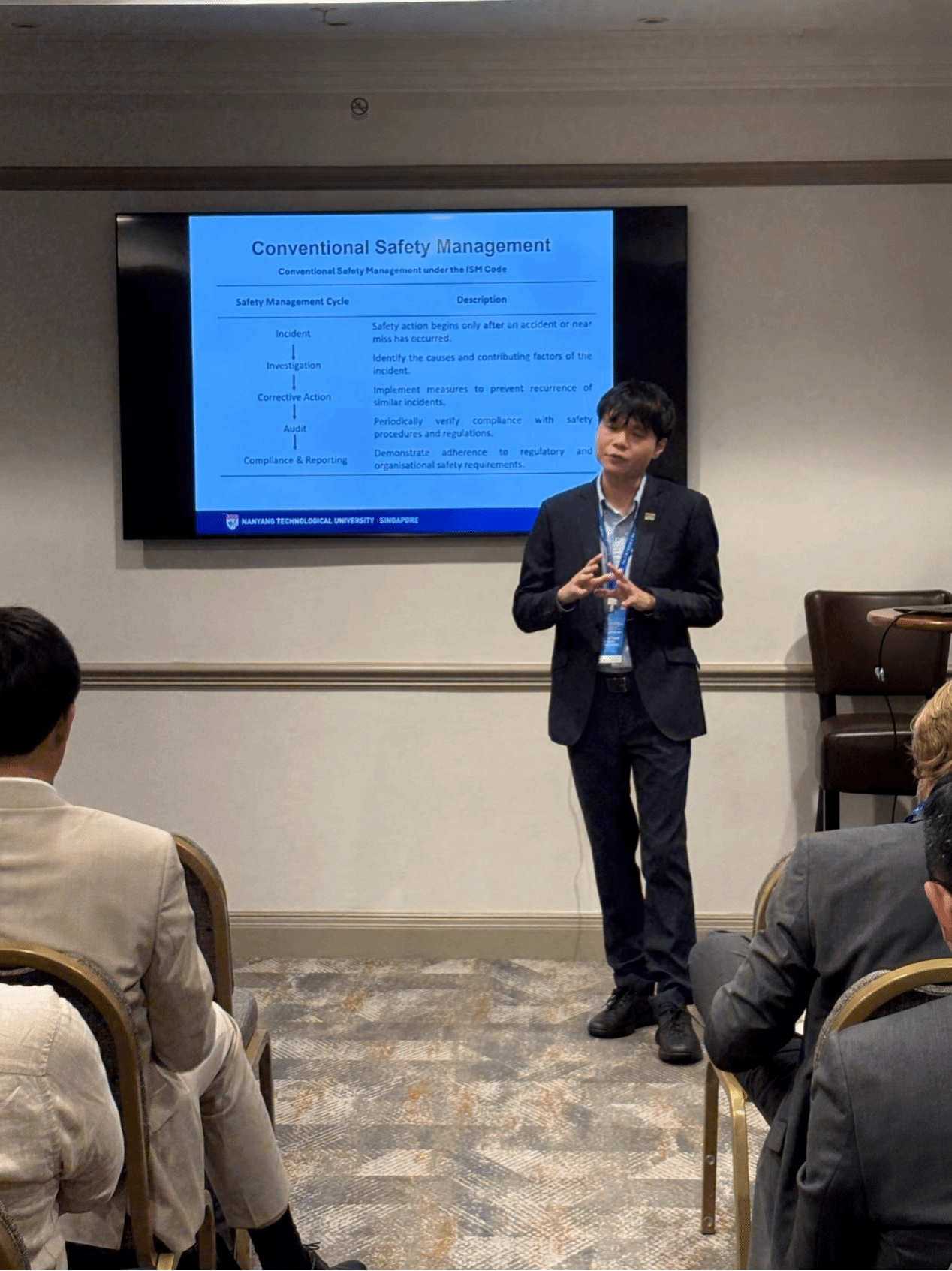
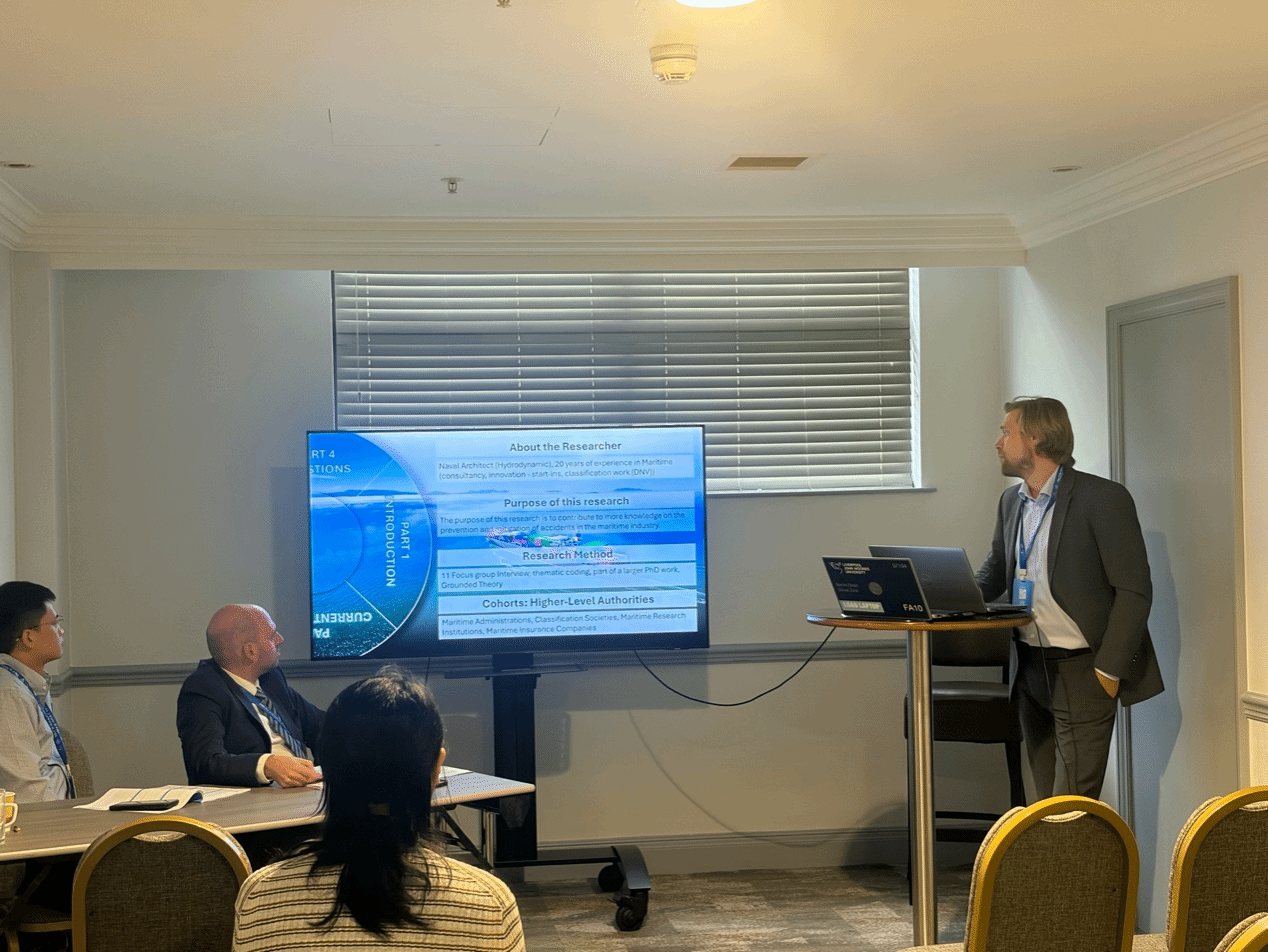
Faculty members and students from Faculty of Business and Management of BNBU including Dr. Peimin Chen, Dr. Yi Xiao, Ms. Ziting Xu, and Ms. Ziyu Liu. Ms. Liu has presented her paper co-authored with faculty members, titled Challenges In Identifying Biofouling-Induced Ship Performance Loss from Real Operational Data.
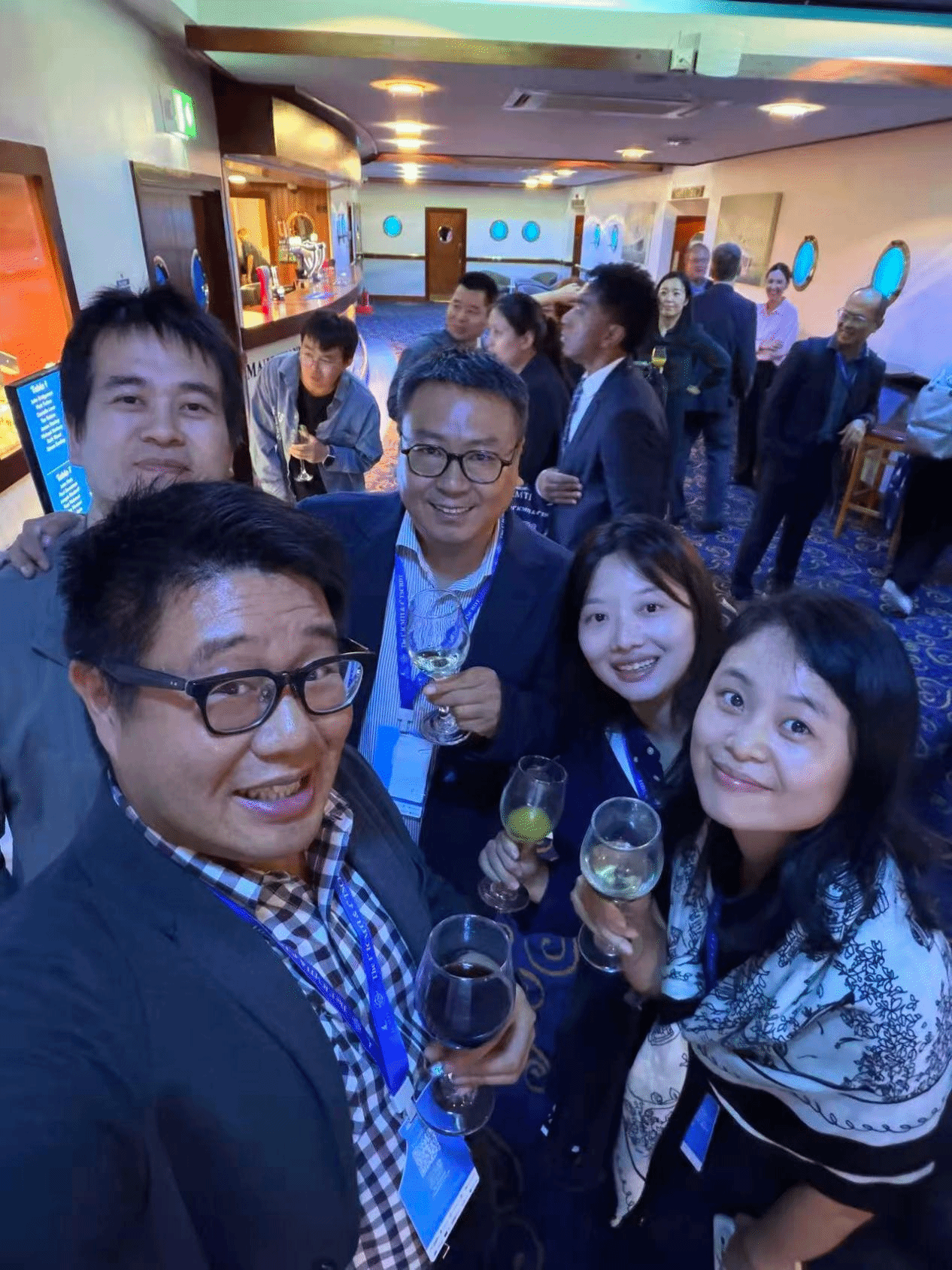
Beyond Reports: A "Port City" Gathering
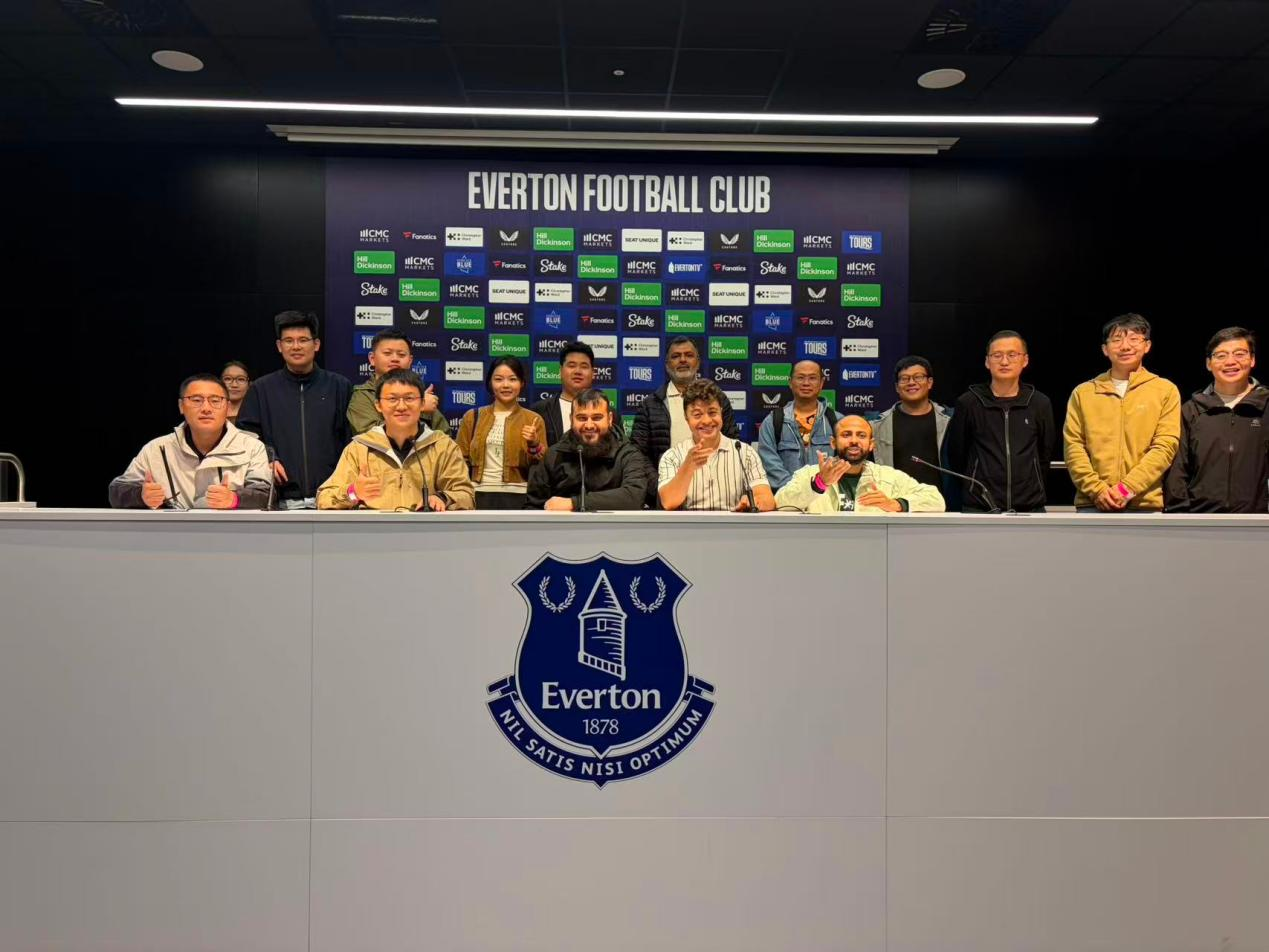
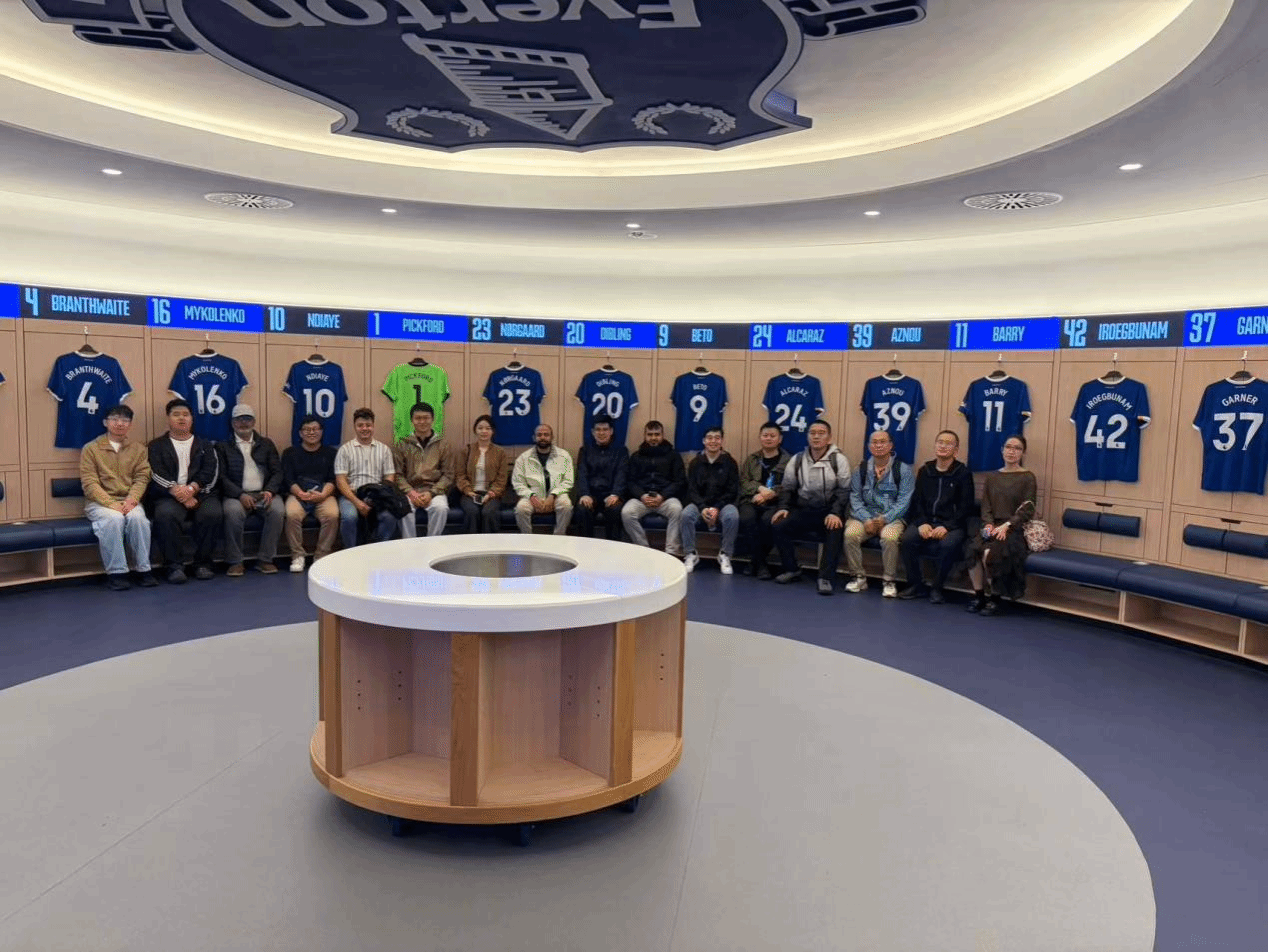
In addition to the academic programme, participants can enjoy a tour of Liverpool, visiting the Beatles Museum and Hill Dickinson Stadium, offering a cultural pulse of the port city.
From London to Liverpool, academia to industry, this conference seeks to answer a shared question: How can the shipping industry become safer, greener, smarter, and more resilient amidst change? For those interested in shipping and supply chains, it's a showcase of cutting-edge research and a chance to observe industry trends, where technology, policy, and industry converge.