Gathering of Global Port and Shipping Scholars at BNBU: Discussing the Green and Digital Future
From November 21 to 23, 2025, the 5th Annual Conference on Port and Shipping Economic Systems Engineering cum the 3rd Conference on Transport and Supply Chain Resilience and Digital Transformation was successfully held at Beijing Normal - Hong Kong Baptist University (BNBU). Over a hundred scholars, professionals, and industry practitioners in the field of port and shipping economics from around the world, convened on campus for in-depth discussions on "The Impact of New Global Trade Policies on Shipping and Ports".
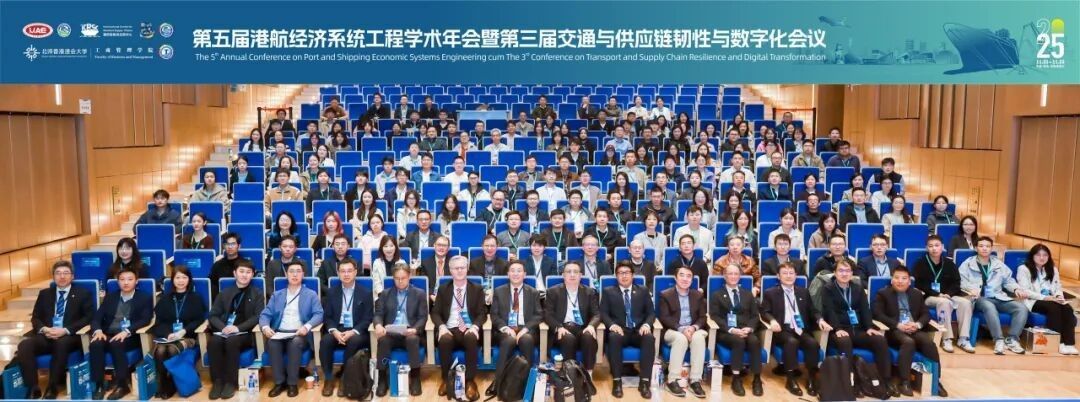
This conference focused on key issues such as changes in international economic and trade rules, digital transformation of ports, optimization of shipping networks, and enhancement of supply chain resilience.
Scholars Gather to Draw a New Blueprint for Ports and Shipping
How to drive the digital transformation of the port and shipping industry? How to deal with the green energy revolution? On November 22, as the conference officially opened, experts and scholars from multiple fields gathered to explore and tackle these questions, working together to draw a new blueprint for ports and shipping.
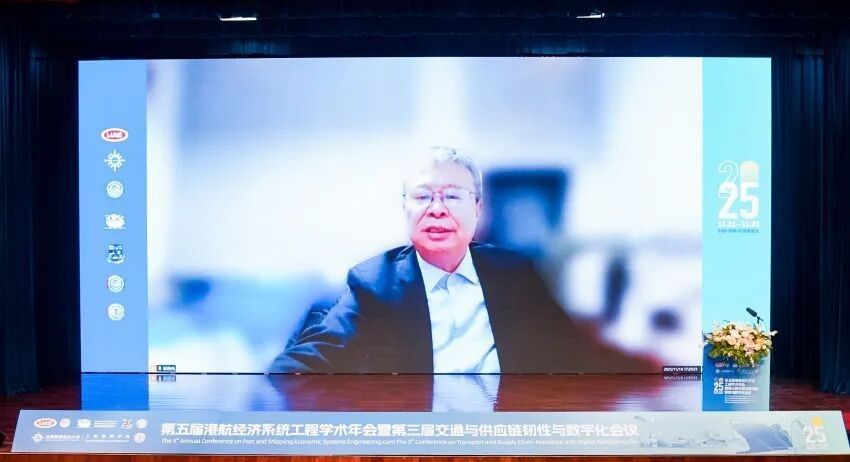
Professor Chen Zhi, President of BNBU, stated in his opening speech that in the context of the continuous evolution of global trade policies, the theme of this conference holds significant practical importance. He encouraged scholars to fully leverage the diverse professional strengths gathered at the conference to push the boundaries of innovation and cooperation, fostering resilience building and digital transformation in the port and shipping and supply chain industries.
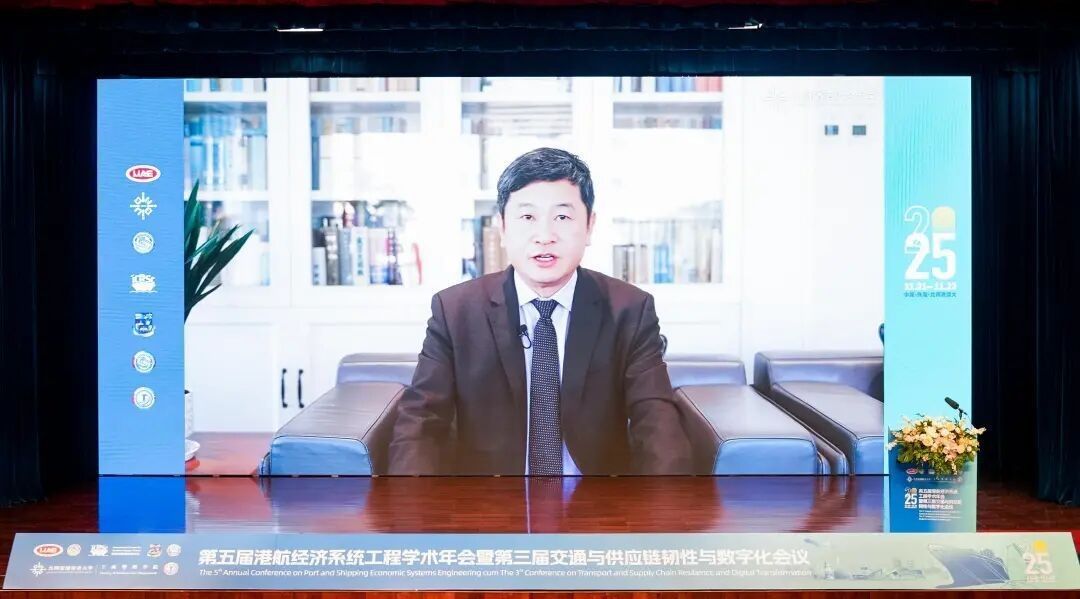
Professor Yang Xiaoguang, President of the Systems Engineering Society of China, and Research Fellow at the Institute of Mathematics and Systems Science, Chinese Academy of Sciences, noted the coexistence of opportunities and challenges in the current port and shipping industry. He urged scholars to strive for new research heights and enhance cross-disciplinary cooperation to aid China's transformation from a large port and shipping nation to a powerful one.
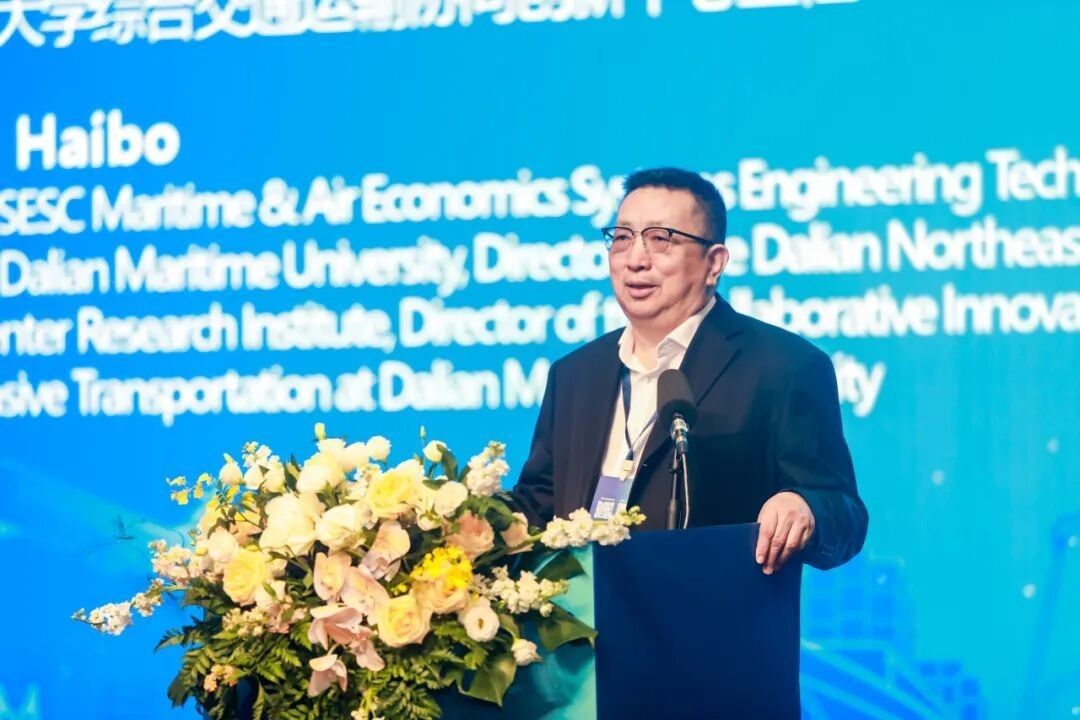
Professor Kuang Haibo, Chair of the SESC Maritime & Air Economics Systems Engineering Technical Committee, Professor at Dalian Maritime University, Director of the Dalian Northeast Asia International Shipping Center Research Institute, and Director of the Collaborative Innovation Center for Comprehensive Transportation at Dalian Maritime University, emphasized that artificial intelligence and green energy are leading to "historic changes" in the port and shipping sector. He suggested that scholars must immerse themselves in the front lines of the industry and conduct organized research, guiding the future of the industry with a systems engineering mindset.
Professor Adolf NG, Vice Chair of the SESC Maritime & Air Economics Systems Engineering Technical Committee, Dean and Chair Professor, Director of International Centre for Resilient Supply Chains at the Faculty of Business and Management, Beijing Normal-Hong Kong Baptist University, stated that this conference aims to jointly analyze the impact of new global trade policies on the industry and explore feasible paths for port function upgrades and shipping service innovations. He looks forward to participants contributing their insights towards building an open, integrated, and resilient global port and shipping ecosystem.
Multidimensional Perspectives: Risk, Energy, and Policy
During the conference, renowned scholars from home and abroad shared insights and discussions on issues like port and shipping systems, encompassing topics ranging from artificial intelligence to low-altitude economies, from energy system optimization to global trade policies.
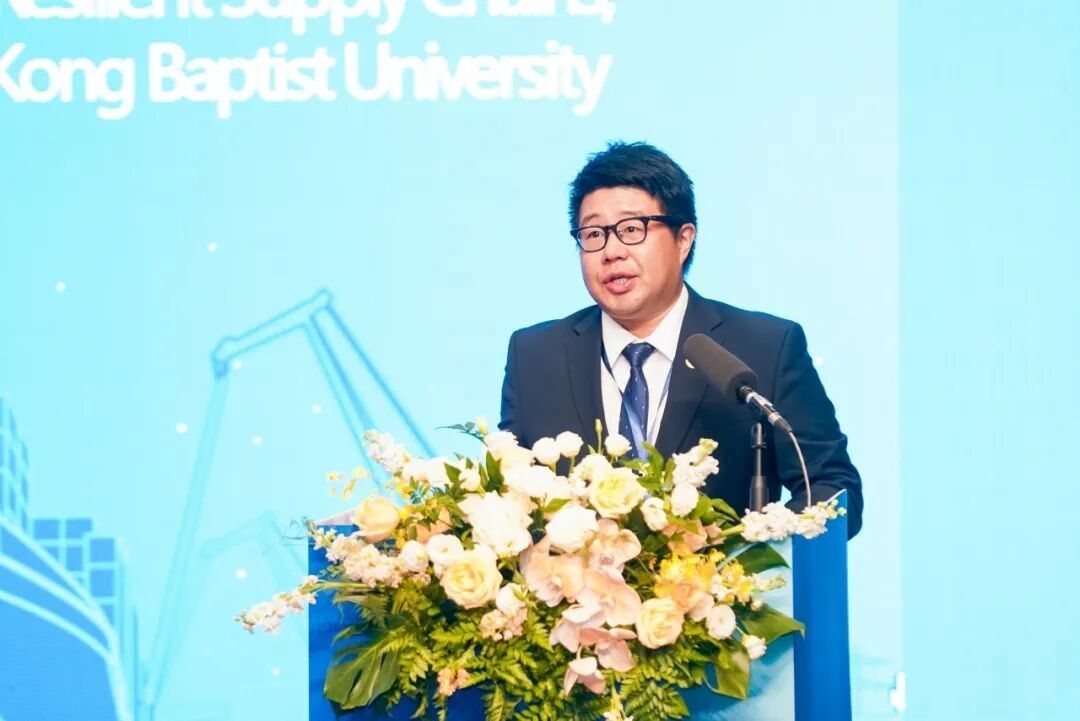
In particular, Professor Wang Shouyang, Researcher at Academy of Mathematics and Systems Science (AMSS) of the Chinese Academy of Sciences (CAS), Academician of the World Academy of Sciences, explored six major systemic risks in the AI era and envisioned new paths for risk management.
Professor Meng Qiang, Professor, National University of Singapore, and Fellow of the Academy of Engineering Singapore, examined the application prospects of the low-altitude economy in port and maritime scenarios, focusing on eVTOL and drone technologies.
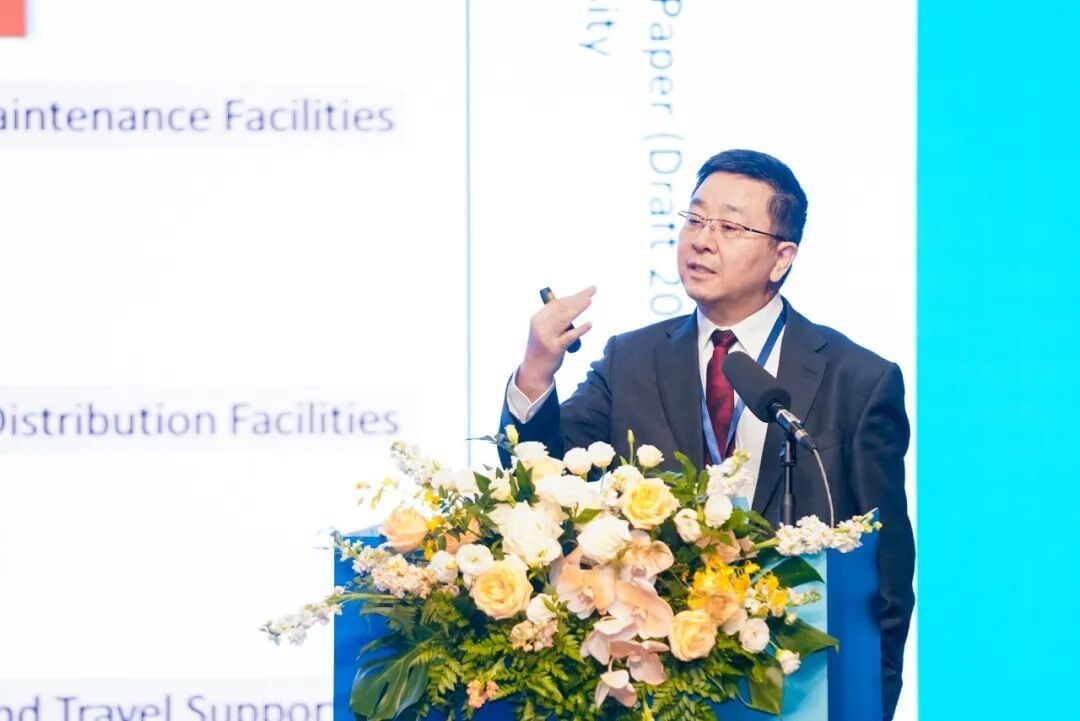
Professor Ma Kai, Vice Dean of the School of Electrical Engineering at Yanshan University, Director of the Key Laboratory of Intelligent Control and Neuroinformation Processing of the Ministry of Education, proposed a "perception-transmission-control" integrated energy system design for large ports, providing a framework for the construction of green ports.
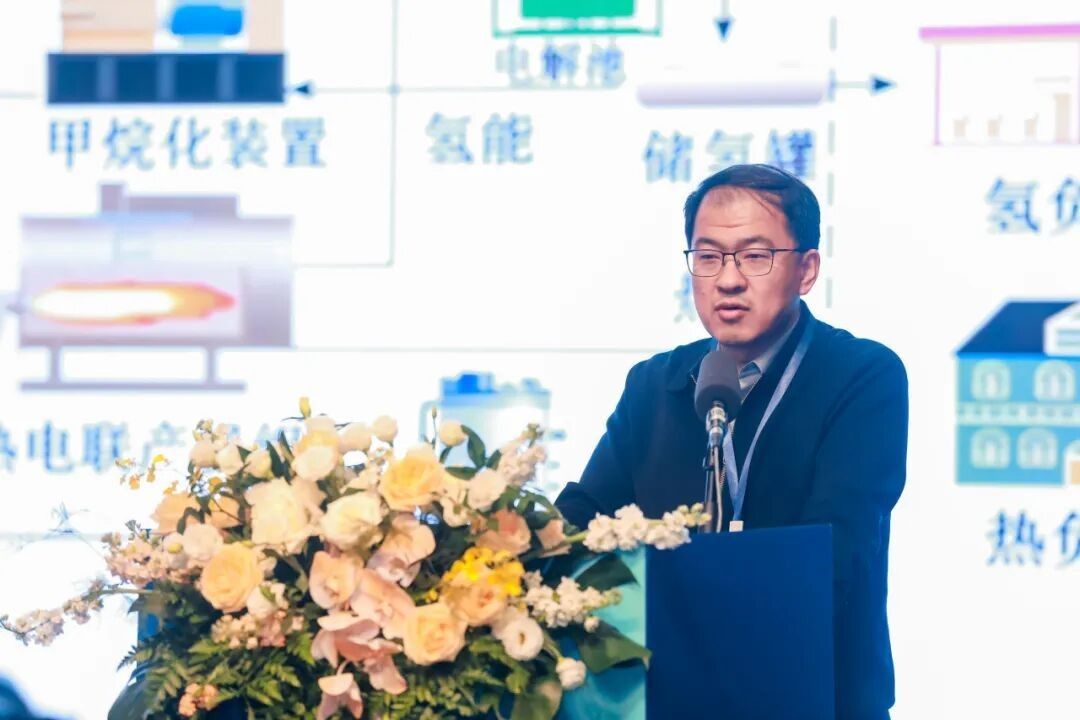
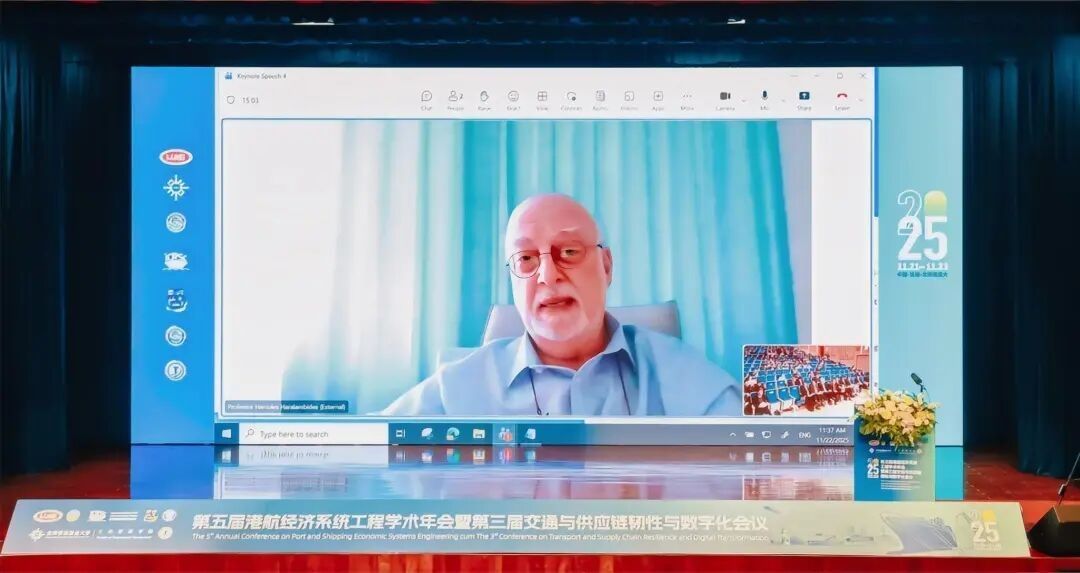
Professor Hercules Haralambides, Distinguished Chair Professor at Dalian Maritime University, the founder of the Erasmus Center for Maritime Economics and Logistics (MEL), and the founding and current Editor-in-Chief of the quarterly journal Maritime Economics and Logistics , noted that while these policies have not reversed globalization, they have reshaped global supply chains and port investment structures.
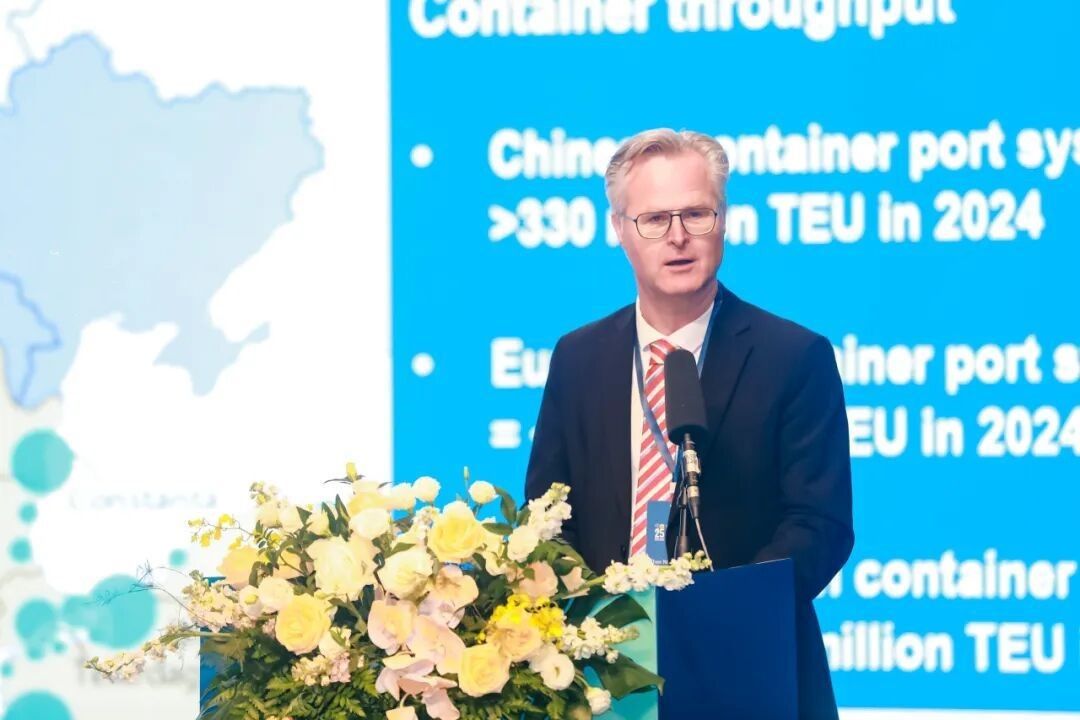
Professor Theo Notteboom, Chair Professor at Maritime Institute of Ghent University, and Professor at the Faculty of Business and Economics at the University of Antwerp and Antwerp Maritime Academy, discussed the regionalization challenges brought about by geopolitical and energy crises.
Focus: Green, Smart, and Regional Collaboration
In addition to new insights from renowned scholars, the conference also focused on policy and supply chain resilience, green transition and maritime safety, and digital and intelligent systems, covering cutting-edge topics such as polar shipping, cross-border e-commerce logistics, black carbon emissions, green digital shipping channel construction, and autonomous ship operations.
Scholars from various universities and research institutions also engaged in exchanges on "Sustainability and Carbon Reduction", "Port Management and Optimization", "Applications of Machine Learning Methods", and "Supply Chain Resilience", reporting on the latest research findings in these areas with lively discussions on-site.
Furthermore, during a roundtable discussion, Professor Adolf Ng, along with Professor Jia Peng, Vice Chair of the SESC Maritime & Air Economics Systems Engineering Technical Committee, Professor at Dalian Maritime University, Director of the Intelligent Technology and Equipment for Comprehensive Transportation Systems Engineering Research Center of the Ministry of Education, Dr. James Wang, Research Director at Bay Area Hong Kong Centre and Belt & Road Hong Kong Centre, and Mr. Shane Li, President & CEO at Red Leaf Capital, President and Board Member at Wiitahnookiinitaw Tahshkayzing Entrepreneurship Centre, Chief Financial Officer at Treaty One Nations, President at Innovate Eastman, and Board Member at Victoria Hospital Foundation, engaged in a cross-disciplinary dialogue on "Artificial Intelligence, Global Trade, and Supply Chain Resilience," offering forward-looking insights from perspectives of technology, policy, and international cooperation.
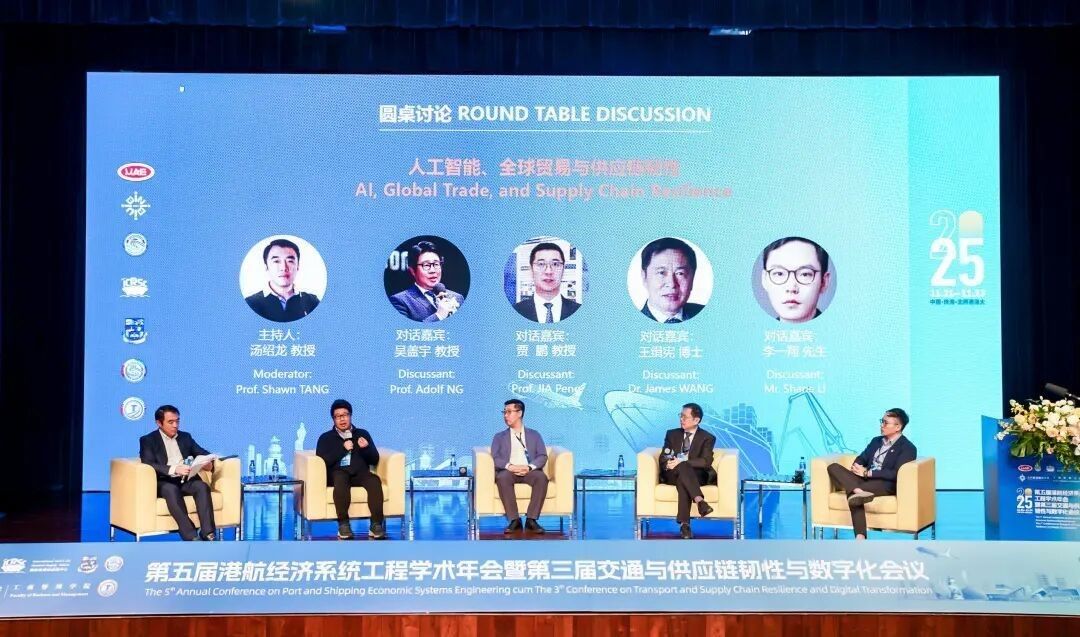
From left: Professor Shawn Tang (Moderator), Professor Adolf Ng, Professor Jia Peng, Dr. James Wang, Mr. Shane Li
The conference concluded successfully at noon on November 23. In his closing remarks, Professor Andy Luchuan Liu from the Faculty of Business and Management at BNBU highlighted that this conference not only showcased the latest achievements in the field of port and shipping systems engineering but also underscored the importance of interdisciplinary collaboration and international dialogue amid the twin waves of global trade and technological revolutions. This intellectual exchange initiated at BNBU will infuse new wisdom and momentum into the sustainable development of the industry.
This conference was jointly hosted by the SESC Maritime & Air Economics Systems Engineering Technical Committee, Beijing Normal-Hong Kong Baptist University (BNBU), and Intelligent Technologies and Equipment for Comprehensive Transportation Systems Engineering Research Center of the Ministry of Education, organized by BNBU Faculty of Business and Management, BNBU International Centre for Resilient Supply Chains, Institute for Dalian Northeast Asia International Shipping Center, and Collaborative Innovation Center for Transport Studies of Dalian Maritime University, and co-organized by Liaoning Provincial Key Laboratory of Big Data in Multimodal Transportation.


