FBM Seminar丨Wharton Teaching Philosophy - Sparks Reflection on Student-Centered Learning
On December 15, 2025, Dr. Chun Kit LAU, Assistant Professor at the Faculty of Business and Management (FBM), shared his teaching observations and practical experiences from Wharton School of the University of Pennsylvania between September and December 2024. The seminar deconstructed the core design logic and teaching philosophy behind Wharton's classrooms, offering valuable insights into pedagogical innovation for the attending educators.
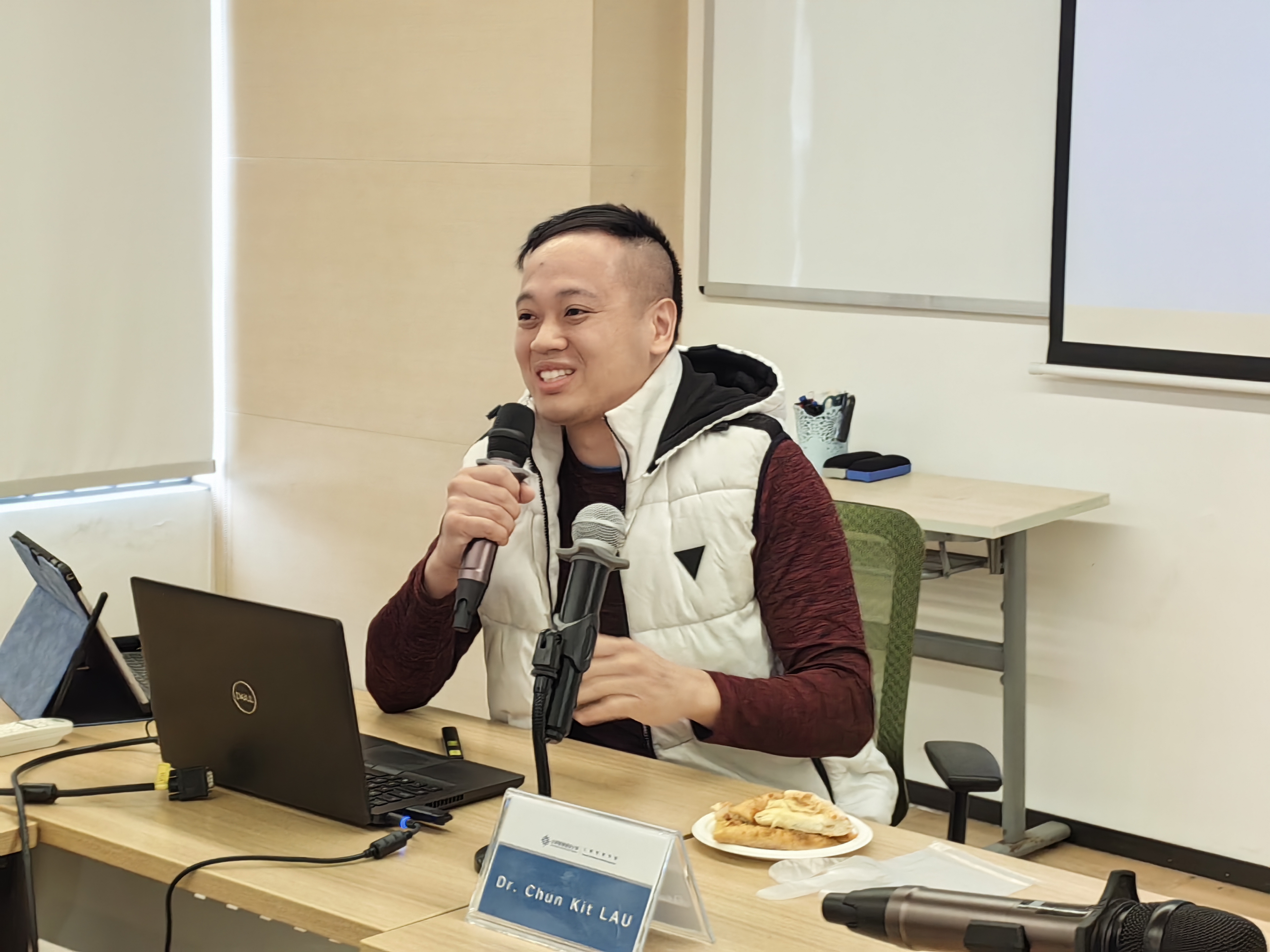
During his tenure at Wharton, Dr. LAU actively participated in courses and activities across undergraduate, master's, and doctoral levels. These included formal courses such as People Analytics, Marketing Analytics, Data Science in Python & R, and AI in Healthcare, alongside numerous AI-related seminars. The Wharton semester is typically divided into two intensive modules, each lasting 6 to 8 weeks, featuring a compact curriculum structure that emphasizes practical effectiveness.
Dr. LAU’s seminar highlighted three major shifts in Wharton's teaching methodology compared to the traditional "knowledge transfer" model. The first is a move from "Knowledge Transfer" to "Designing Experience." For instance, in a Loan Default Prediction Course, instruction begins with real-world business scenarios, guiding students through reverse reasoning. Instructors frequently pose open-ended questions, encouraging students to draw on personal backgrounds to participate in discussions, thereby breaking classroom silence. The second shift is from "Clarifying Concepts" to "Stimulating Thinking." Wharton classrooms avoid straightforward knowledge delivery, focusing instead on cultivating business intuition. In the People Analytics course, complex models are explained in plain language, a "cold call" random questioning system ensures full participation, and over 30% of class time is dedicated to student-led discussion and summarization, with the instructor primarily facilitating and guiding. An example is a chart analysis task where a series of progressive questions guide students from observation to decision-making, deepening comprehension. The third shift is from "Teacher-Controlled Rhythm" to "Student-Driven Pace." Wharton abandons the singular pursuit of a "smooth" lecture, returning control of the pace to students. Specific practices include addressing questions in real-time, allocating sufficient time for group discussions, and requiring students to present learning outcomes, all aimed at enhancing initiative and knowledge application skills.
To implement these concepts, Wharton extensively employs various interactive tools and methods. These include random "cold call" questioning, the use of name tags for personalized interaction, having students summarize and whiteboard key points after each concept, designing progressively challenging case studies to deepen thinking, and utilizing online platforms like PollEv to boost real-time interaction efficiency.

Dr. Chun Kit LAU concluded that the core of Wharton's teaching can be summarized by three keywords: Interaction, Student Participation, and Slow Pace. Classrooms foster two-way communication, with student talk time exceeding 30%, positioning students as active constructors of knowledge. The focus shifts from covering a large "quantity" of content to ensuring a deep "quality" of understanding, guaranteeing students grasp the underlying logic and practical value of knowledge.
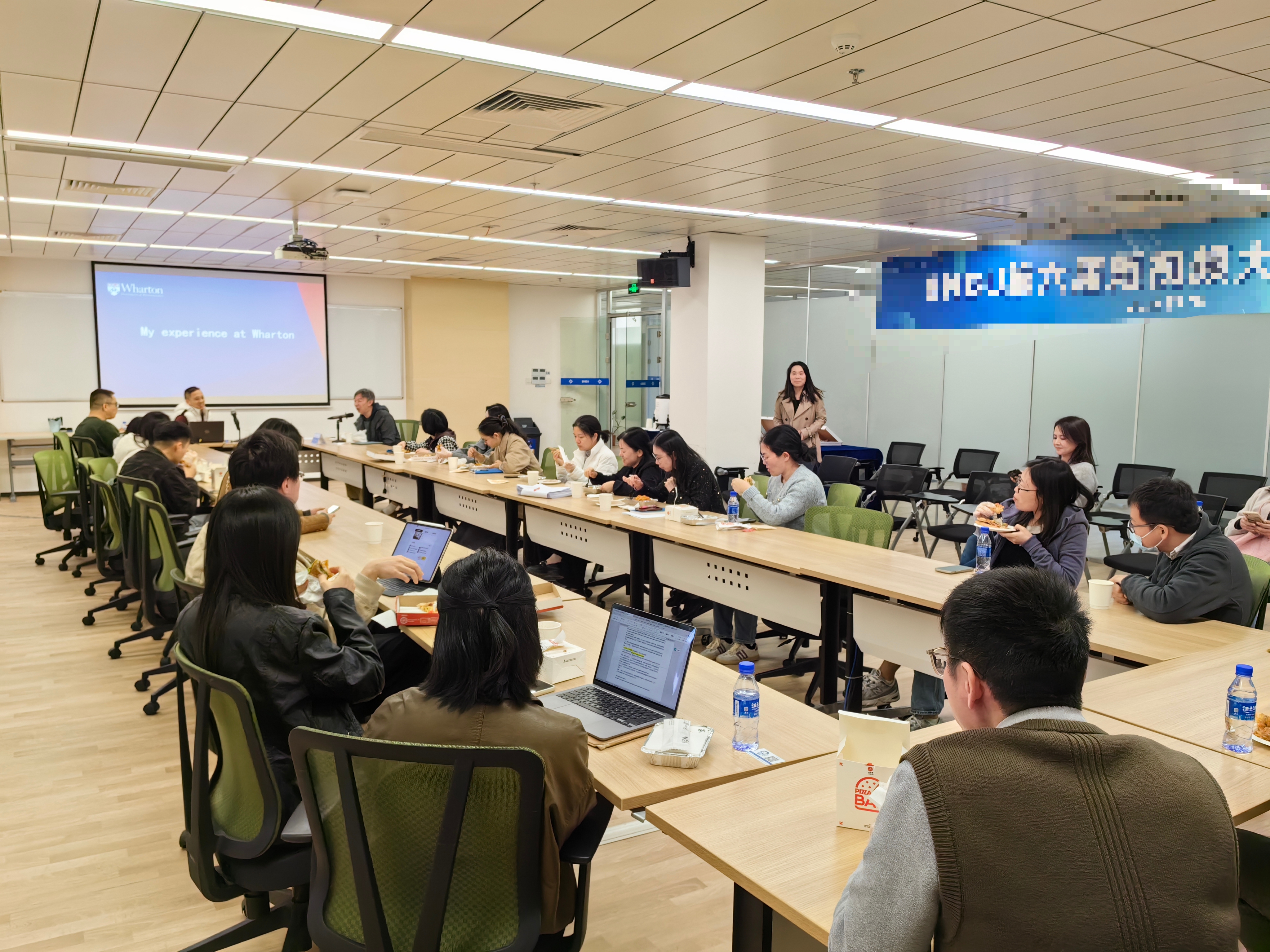
Dr. Chun Kit LAU concluded that the core of Wharton's teaching can be summarized by three keywords: Interaction, Student Participation, and Slow Pace. Classrooms foster two-way communication, with student talk time exceeding 30%, positioning students as active constructors of knowledge. The focus shifts from covering a large "quantity" of content to ensuring a deep "quality" of understanding, guaranteeing students grasp the underlying logic and practical value of knowledge.
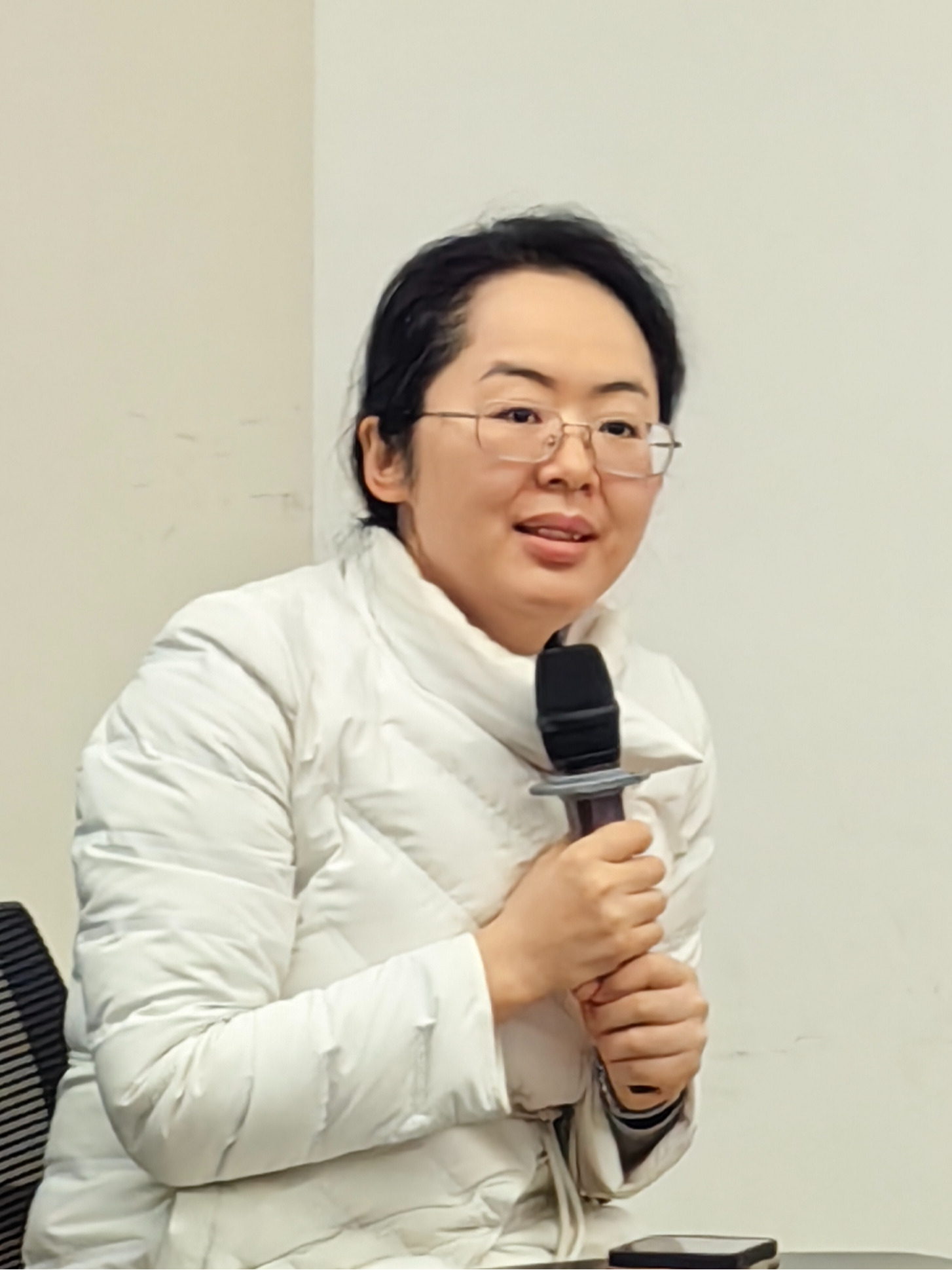
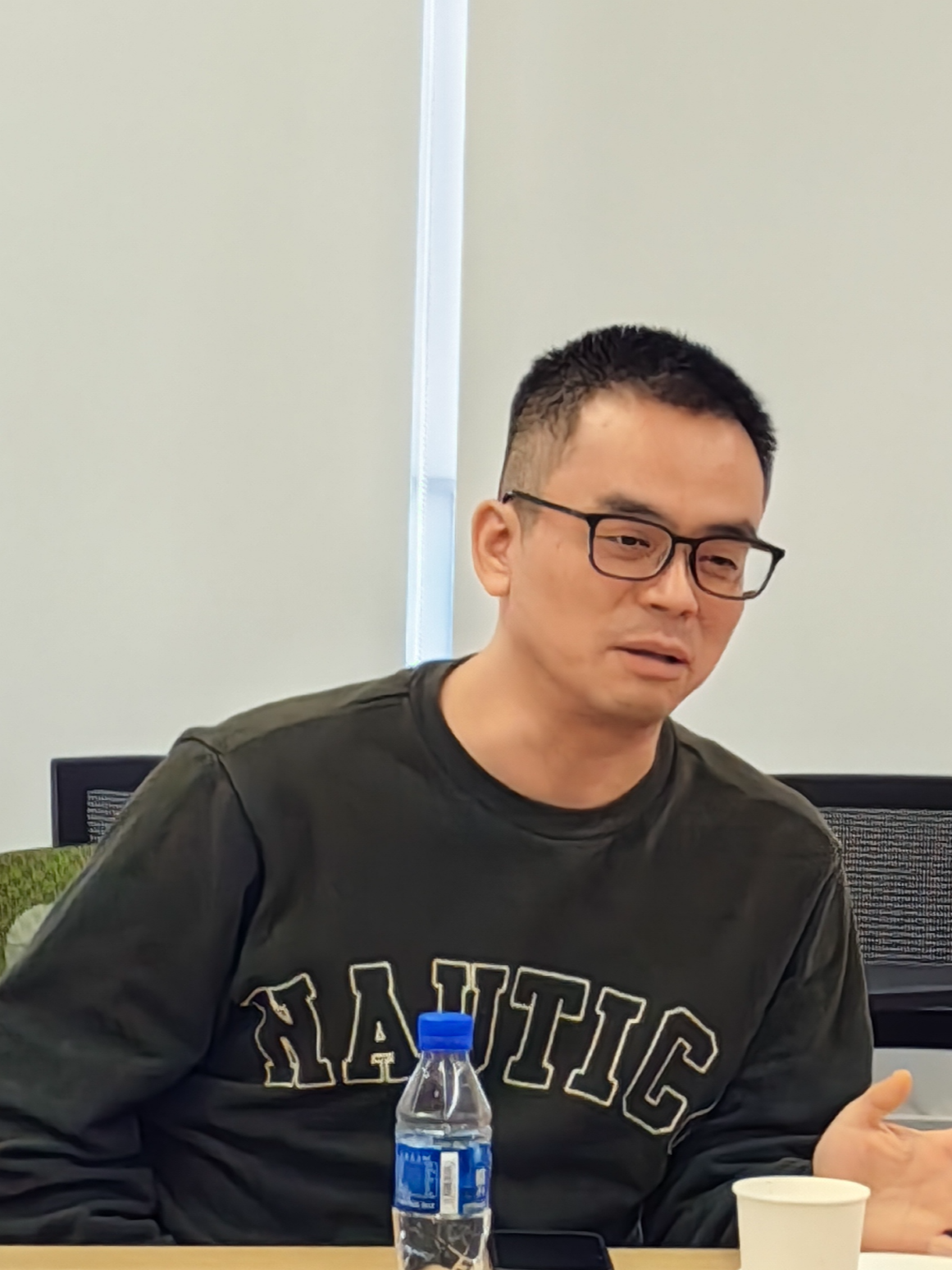
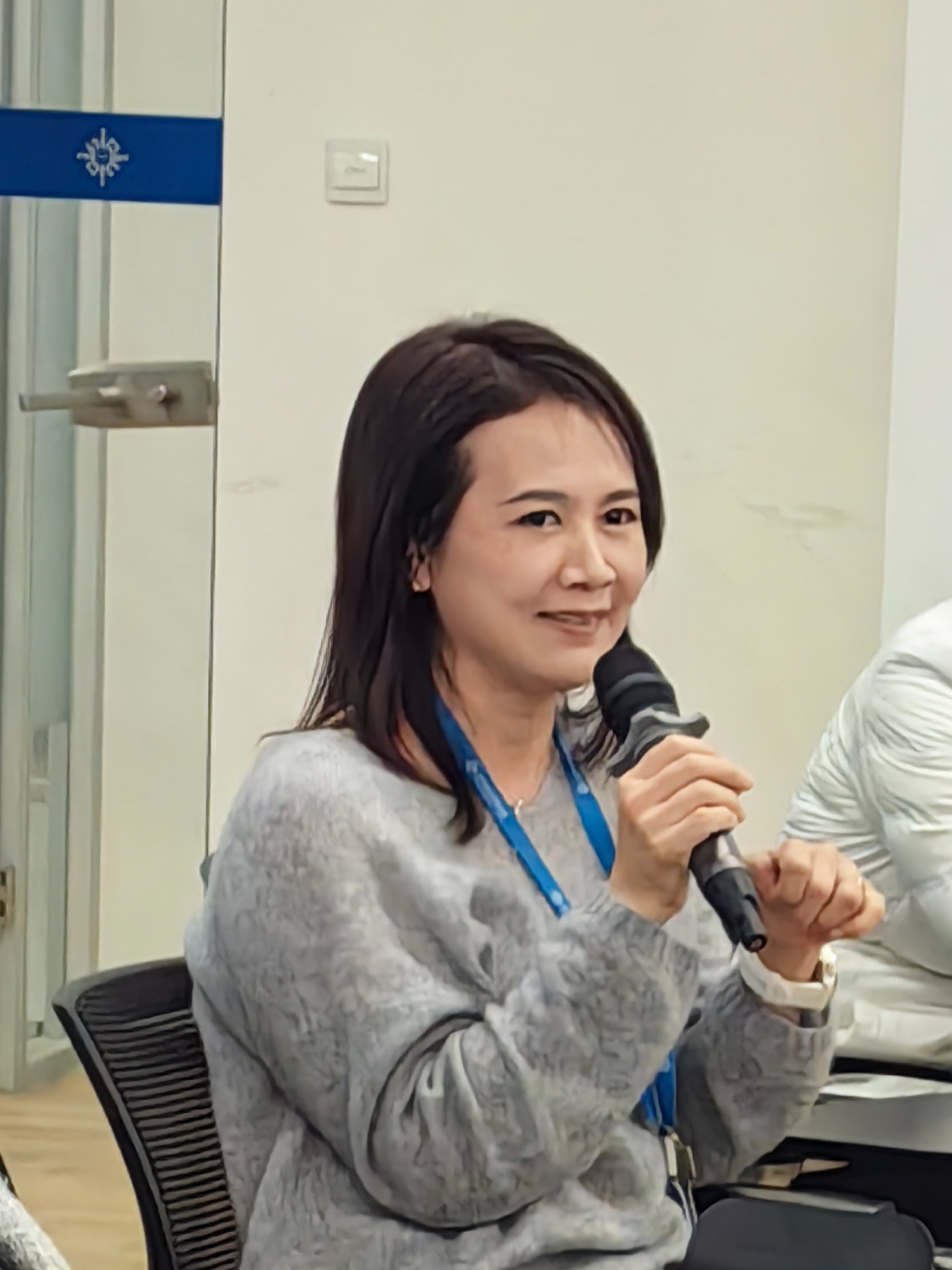
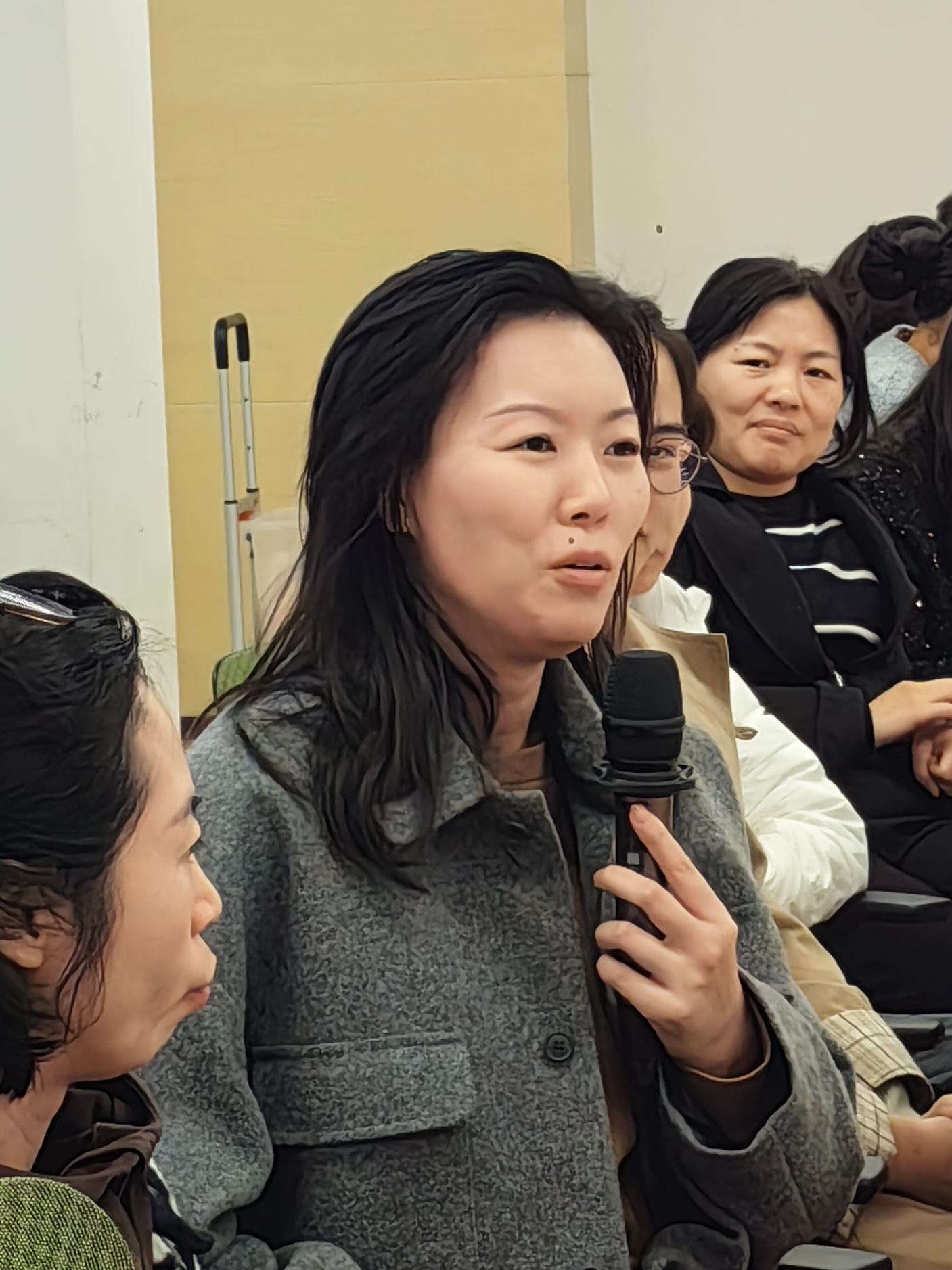
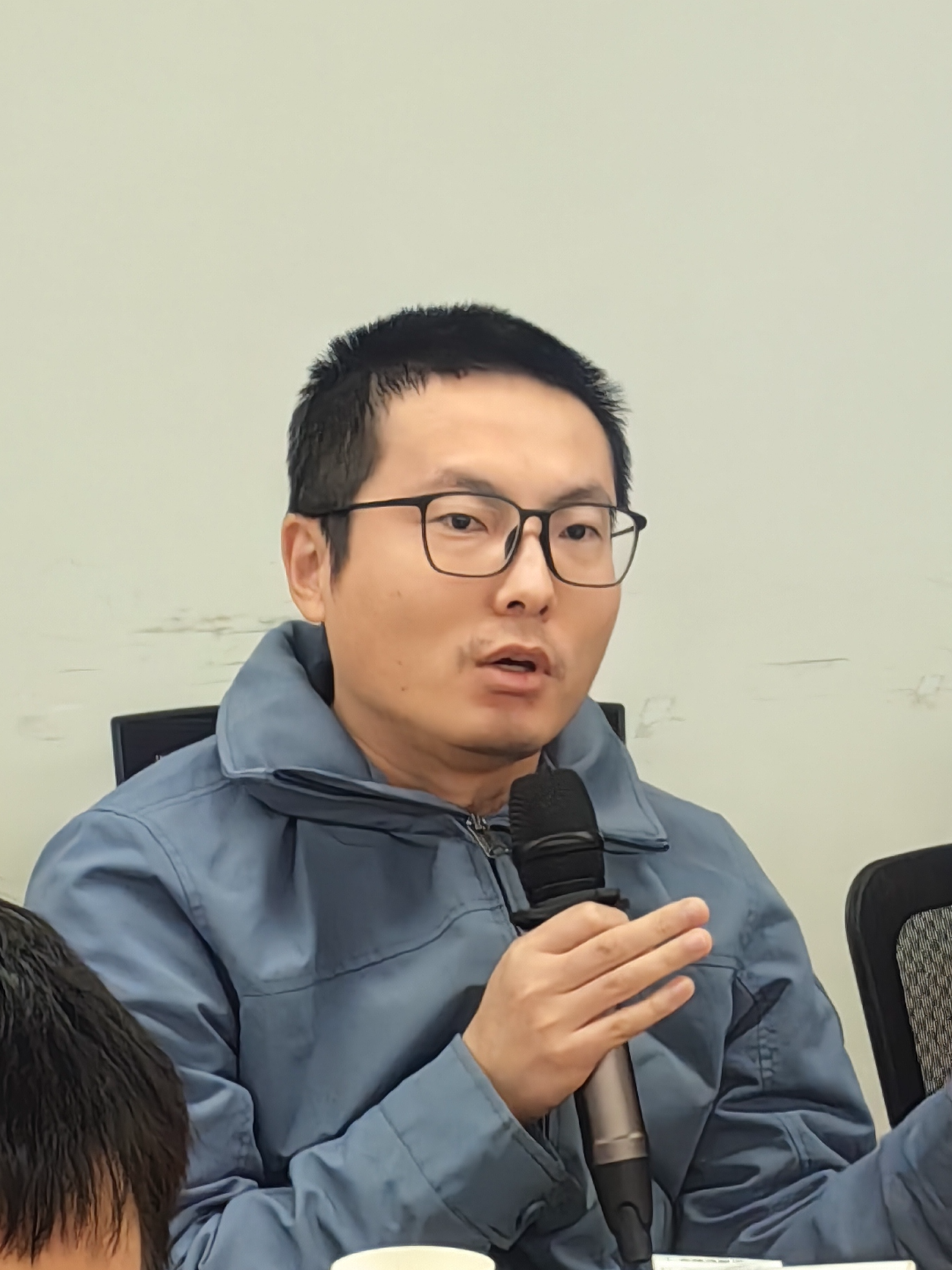
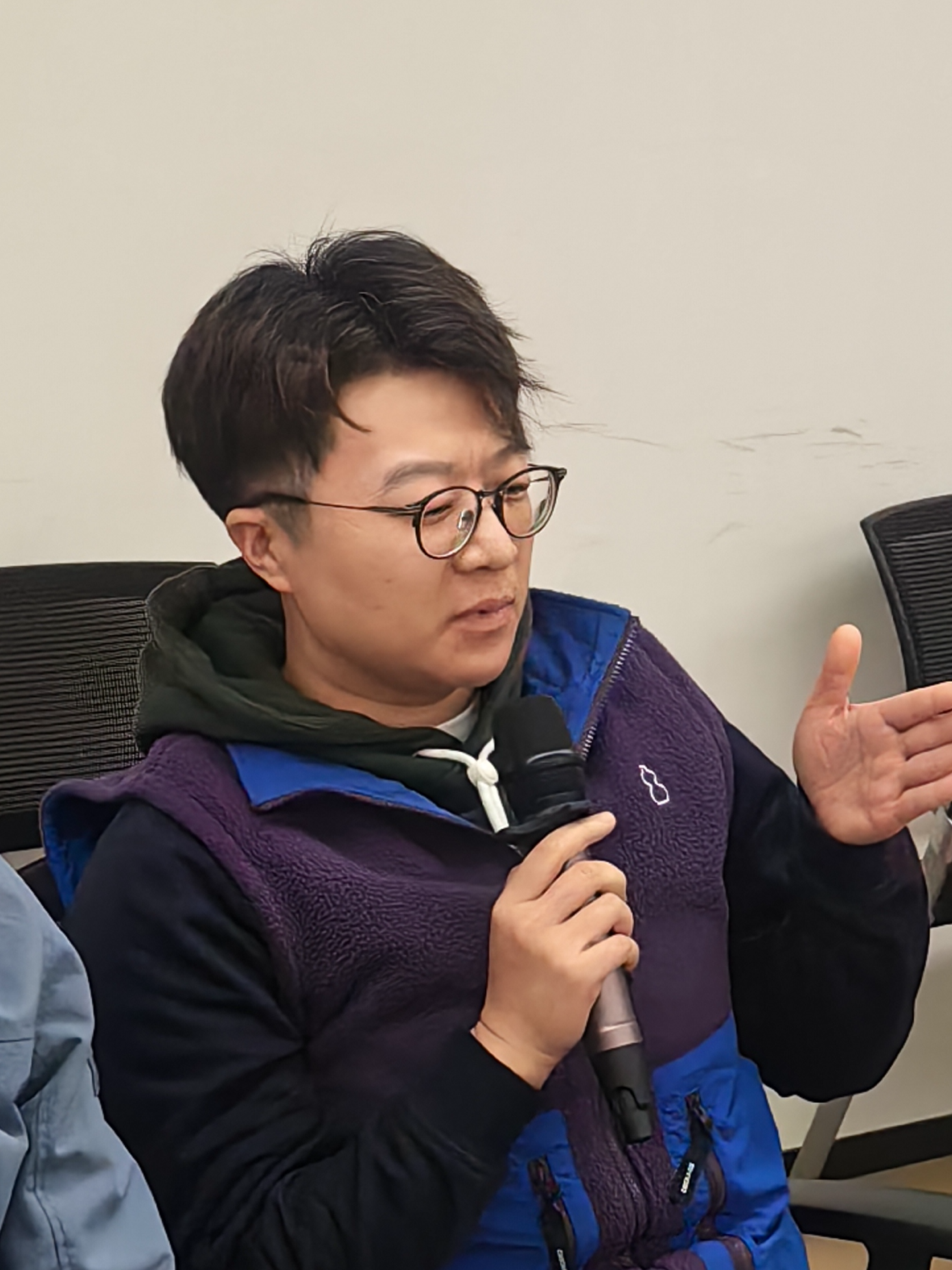
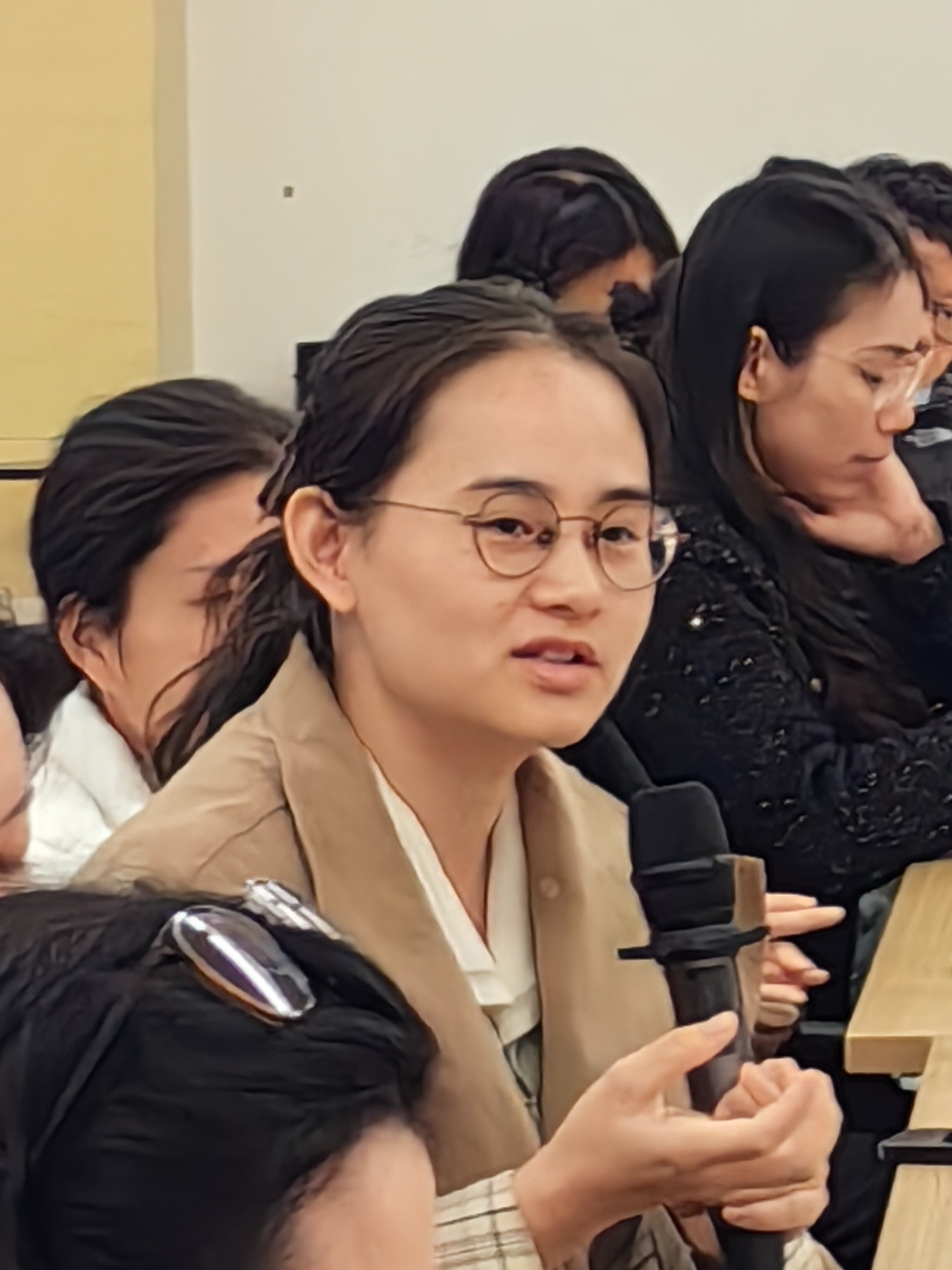
During the discussion session chaired by Prof. Andy Luchuan LIU, participating teachers raised several practical considerations based on their own teaching contexts. These included how to implement the Wharton model within constrained class hours and fixed syllabi; how to ignite intrinsic student interest and attract them back to the classroom amid grade-oriented attitudes, low attendance, and student apathy—especially with the prevalence of AI tools; whether Asian educational culture is suited to Wharton's interactive approach; how to effectively integrate AI into instructional design; and the potential for organizing more teaching-focused seminars to support faculty development. These discussions reflect common challenges across different teaching environments and underscore the importance of driving change within the contexts of educational goals, student motivation, and cultural norms.
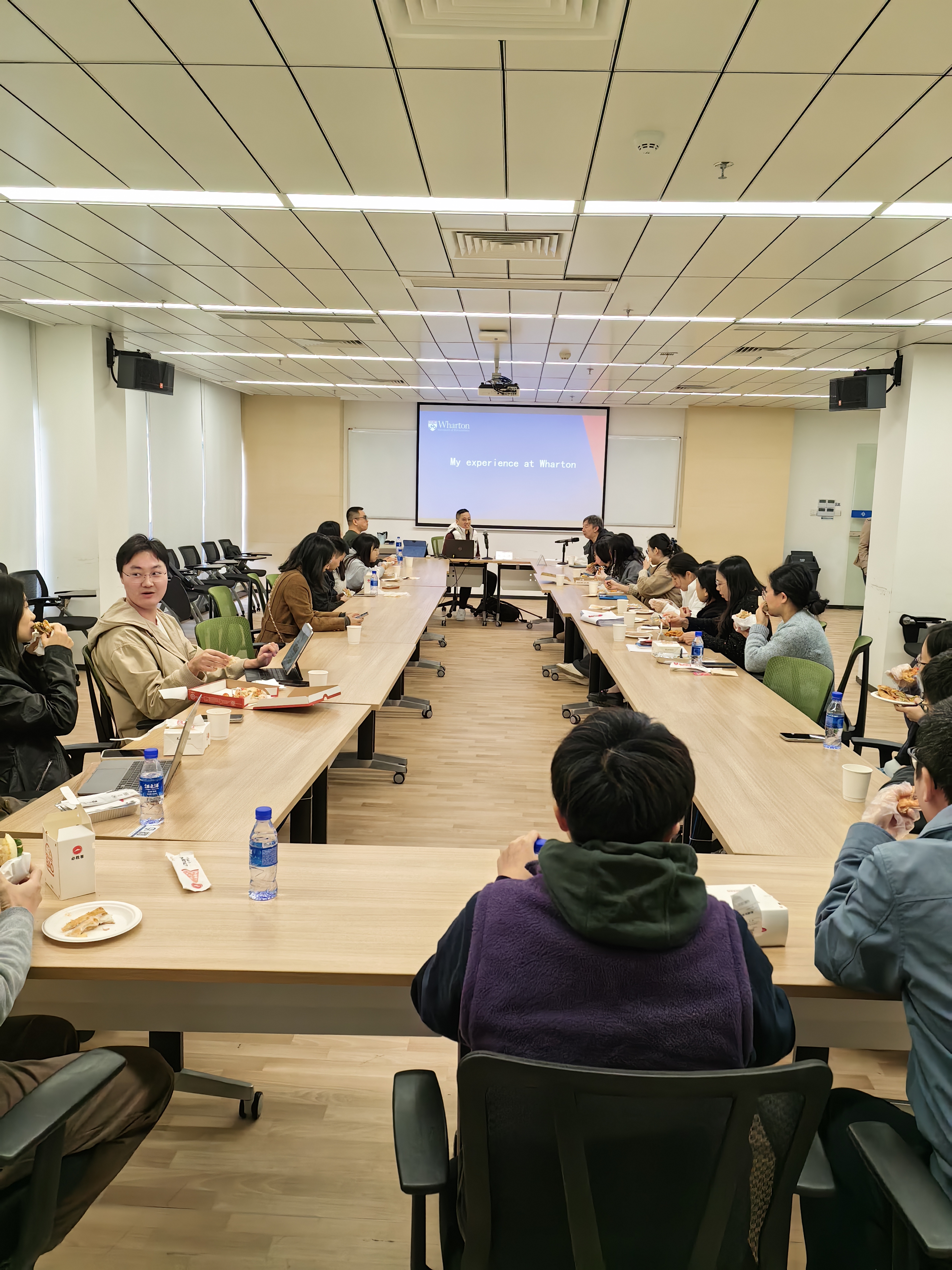
This seminar provided higher education professionals with a valuable international perspective, reigniting fundamental reflections on the nature of teaching. The question of how to absorb the essence of advanced educational philosophies within resource and environmental constraints to create more engaging, thought-provoking, and growth-oriented classrooms remains a vital ongoing pursuit for every educator.


